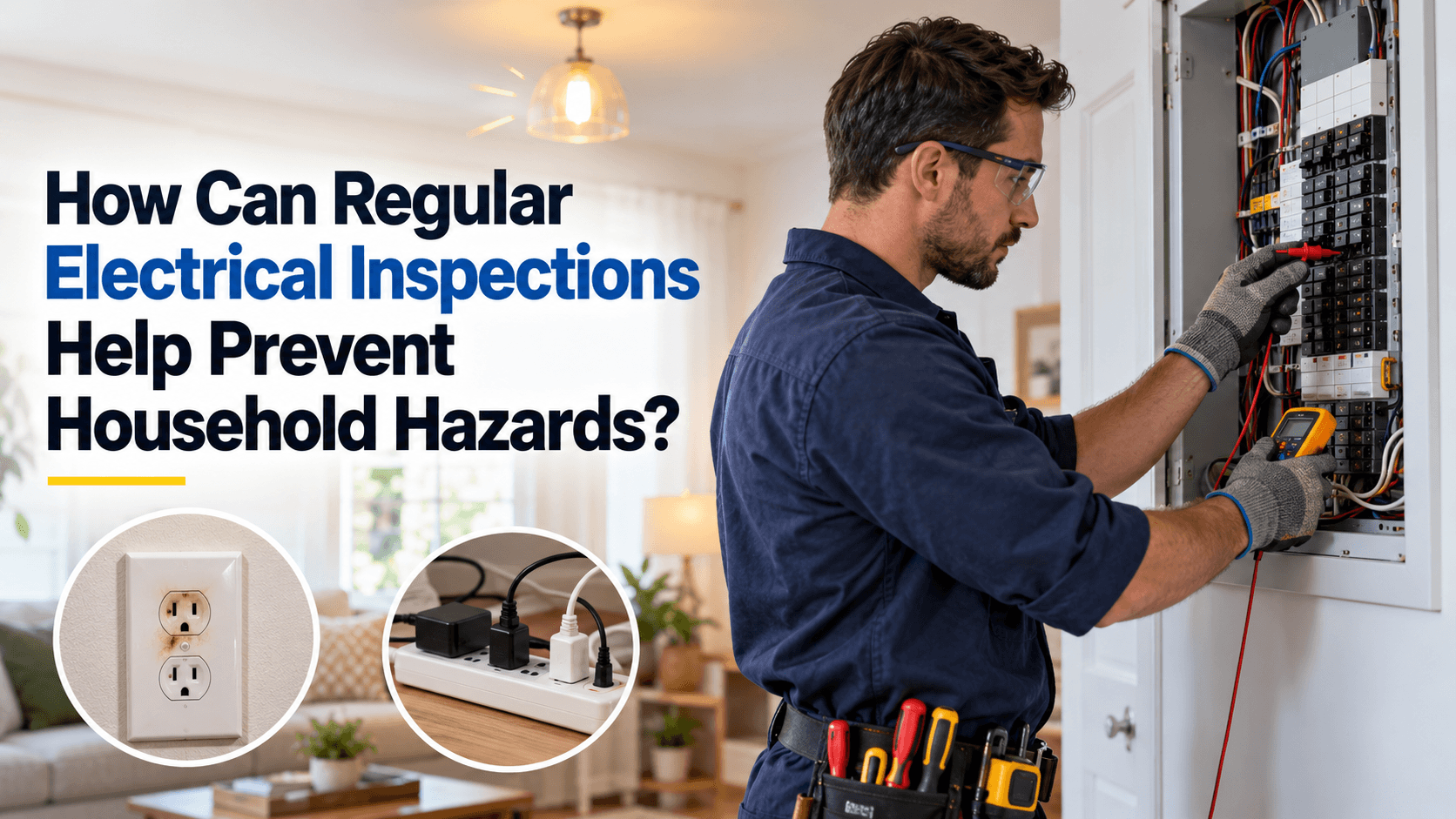
A home can look fine and still have an electrical problem tucked out of sight. Wiring sits behind plaster, connections are hidden inside fittings, and a breaker may trip only when several appliances run together. Some electrical problems aren't obvious until something goes wrong. Regular inspections can help spot these issues early, before they lead to bigger problems at home.
It may be worth contacting trusted electrical contractors in Camberwell if you live in and around Camberwell. This is especially true if it's been a while since your last electrical check. They can check your wiring and safety switches and identify faults. They also let you know if anything needs repairing.
Hidden Faults Don't Stay Hidden Forever
Electrical parts wear with age and use. Connections can loosen, insulation can deteriorate, and work from an old renovation may not meet current requirements.
An inspection is worth considering in an older property or one that's had extensions and renovations over the years. An electrician can examine accessible components and carry out appropriate tests. The aim isn't to replace everything because it's old; it's to understand the system's condition and deal with real risks. It's also worth keeping track of any electrical issues you've noticed, even if they seem minor. Share these details with the electrician during the visit. They may help narrow down what needs checking.
Repeated Breaker Trips Are a Clue
When the power goes off halfway through dinner, resetting the breaker may seem like the quickest fix. If it keeps happening, don't treat it as a household quirk. The circuit may be overloaded, an appliance may be faulty, or another issue could be causing the protection to trip.
Think about what's running at the time. A heater, kettle, oven and air conditioner can place heavy demand on a home's electrical setup, depending on how circuits are arranged. Plugging more devices into a power board won't solve the cause. An electrician can identify the likely source and advise whether a repair, a change in usage, or an additional circuit is needed.
Check the Electrical Panel and Safety Switches
The electrical panel often gets attention only after something goes wrong, yet its condition affects the whole home. Faults are more difficult to deal with if parts are damaged, protection is inadequate, or labelling is poor. An electrician can inspect the panel, check that protective devices are adequate and test safety switches.
Safety switches reduce the risk of electric shock by cutting power when they detect certain faults. They don't make every hazard disappear, and seeing one in the panel doesn't confirm that it works properly. Ask for the test results and an explanation of recommended work. Clear answers help you make decisions without agreeing to upgrades you don't understand.
Notice the Small Changes Around the House
Homeowners are usually the first to notice when something feels different. A light that flickers repeatedly, a buzzing switch, a discoloured outlet, or a burning smell shouldn't be brushed aside. Neither should an outlet or switch that feels unusually warm. Following basic electrical safety practices can help reduce risks. But these warning signs still need a professional assessment.
Don't remove outlet covers or trace wiring yourself. If you see sparks, smoke or smell burning, keep away and get help immediately. If there is an immediate threat, call emergency services. An inspection can also uncover less obvious problems while everything appears to work normally.
Book Checks Before Big Changes
An electrical inspection is useful before buying an older house, starting a major renovation, or adding equipment that draws significant power. An induction stove, extra air conditioning, a home battery, solar equipment, or an electric vehicle charger may affect the system's requirements.
Share your plans before work begins. An electrician can tell you whether your system can handle the planned changes and what work might be needed. Keep inspection reports, receipts and repair records in one place. You’ll have them handy if another electrical issue comes up or further work is needed.
A Little Attention Can Prevent a Bigger Problem
There isn't one inspection schedule for every property. Age, condition, previous work, and how the home is used all matter. Ask a licensed electrician when your installation should be reviewed, and arrange an assessment promptly if warning signs appear.
Electrical equipment is easy to forget because most of it works out of sight. A planned inspection gives you facts rather than guesses. It can catch faults early, reduce avoidable hazards, and make future upgrades easier to plan.