.png)
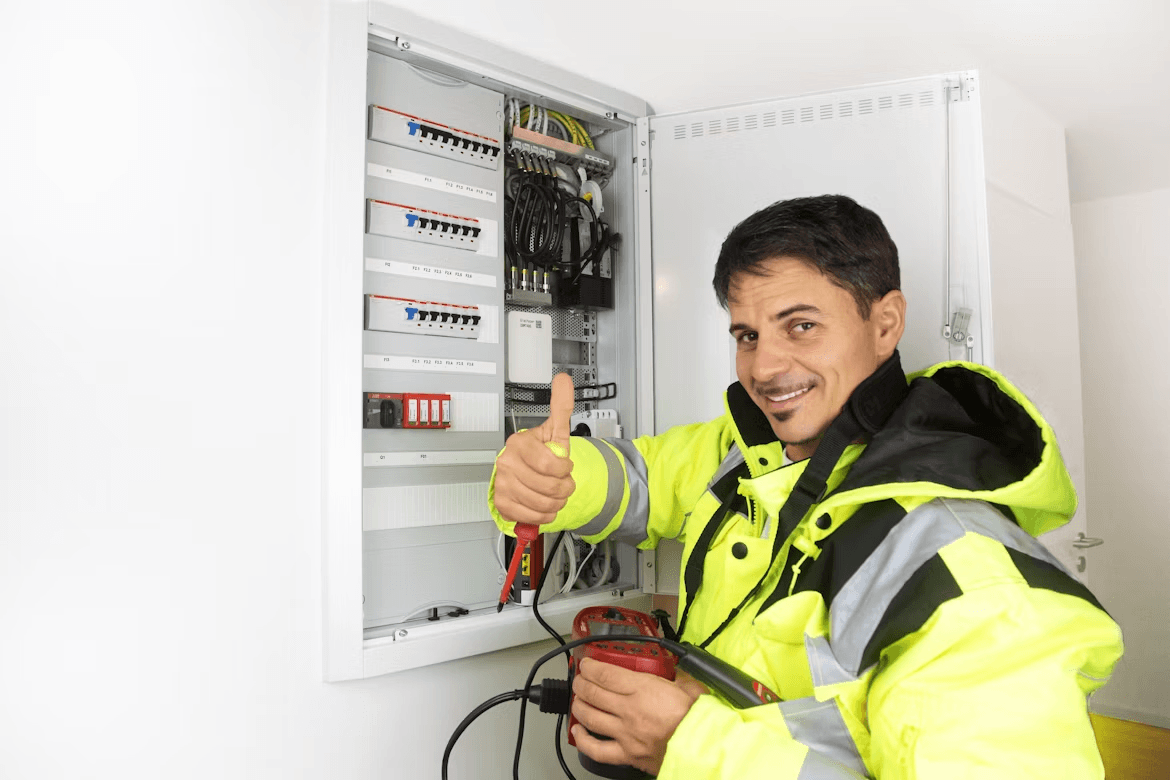
Electrical safety affects how customers, employees and suppliers judge a business. A preventable outage, damaged equipment or visible maintenance issue can quickly raise doubts about how well the organisation is managed.
More serious incidents may interrupt trade for days and attract regulatory attention. Regular inspections, prompt repairs and clear safety procedures protect day-to-day operations while showing that your business takes its responsibilities seriously.
Protecting Your Assets and People
Start with a scheduled inspection of switchboards, fixed wiring, safety switches and high-demand equipment. Faulty connections can generate heat, while overloaded circuits may damage computers, refrigeration systems or production machinery. Warning signs include discoloured outlets, recurring trips, buzzing sounds and unexplained burning smells.
Staff should know how to report these problems and which equipment to stop using. Keep access to switchboards clear and record testing, repairs and equipment replacement dates. Guidance on electrical safety in manufacturing also highlights the value of training and a workplace culture that treats hazards seriously. These habits protect people while reducing avoidable damage to valuable business assets.
The Cost of Neglecting Electrical Systems
Delayed maintenance can turn a small fault into lost stock, cancelled appointments or an extended shutdown. A retailer might lose refrigerated goods overnight, while an office could face missed deadlines after a circuit failure takes its network offline. Repair costs may be only one part of the loss. Staff downtime, customer refunds and urgent callout fees can add up quickly.
Some network-connected jobs require specialised accreditation. Greater Sydney property owners dealing with metering work, service mains upgrades or defect notice rectification may need a level 2 electrician. Addressing those issues within the required timeframe helps prevent disconnection, delays and further costs. Budget for preventive work each year and treat repeated faults as evidence of an underlying problem.
Compliance and Legal Responsibilities
Business operators must provide a workplace that manages foreseeable electrical risks. Exact duties vary by jurisdiction and industry, but they commonly cover safe equipment, competent electrical work, staff instruction and documented maintenance. Landlords and tenants should also confirm who is responsible for switchboards, fixed installations and equipment within a lease.
Keep invoices, inspection reports, test records and defect notices in one accessible file. These documents help demonstrate that identified risks were handled promptly. The hidden costs of skipping compliance can extend beyond a repair bill to insurance disputes and business interruption. Check local regulator guidance and use appropriately licensed or accredited workers for every task.
Building Trust Through Safe Operations
Customers may never inspect your wiring, but they notice the results of poor electrical management. Flickering lights, extension leads across walkways and equipment that regularly cuts out create an impression of neglect. Suppliers and commercial partners may also request safety records before entering a contract or approving access to a site.
Deal with visible issues promptly and explain any temporary service interruption clearly. If maintenance affects trading hours, publish accurate updates and provide realistic reopening times. A current register of common electrical hazards can help managers recognise damaged leads, overloaded outlets and unsafe work areas during routine checks. Consistent standards support confidence because visitors can see that the premises are orderly, maintained and professionally run.
Emergency Preparedness and Response
Create a simple response plan before an outage or electrical incident occurs. It should identify who can isolate affected areas, how staff contact emergency services and where critical phone numbers are stored. Employees should never attempt repairs unless they’re authorised and qualified to do so.
Back up essential business data and consider how alarms, access controls, refrigeration or payment systems will operate during a disruption. Run a short staff briefing at least once a year, then update the plan after equipment changes or a tenancy fit-out. If an incident happens, record what failed, preserve relevant documents and arrange an assessment before restarting affected systems. A clearly labelled switchboard and an accessible emergency contact list can save valuable minutes when operations suddenly stop.