In Istanbul, everywhere you look you can see baklavas – a dessert made, usually, with honey and walnuts –, Turkish delight – a gelatinous sweet confection traditionally made of syrup –, roasted chestnuts, freshly squeezed pomegranate juice, mussels stuffed with boiled rice, and Lahmacun – a round, thin piece of dough topped with minced meat, minced vegetables, and herbs.
5 ingredients you cannot miss on Turkish food
1. Sumac
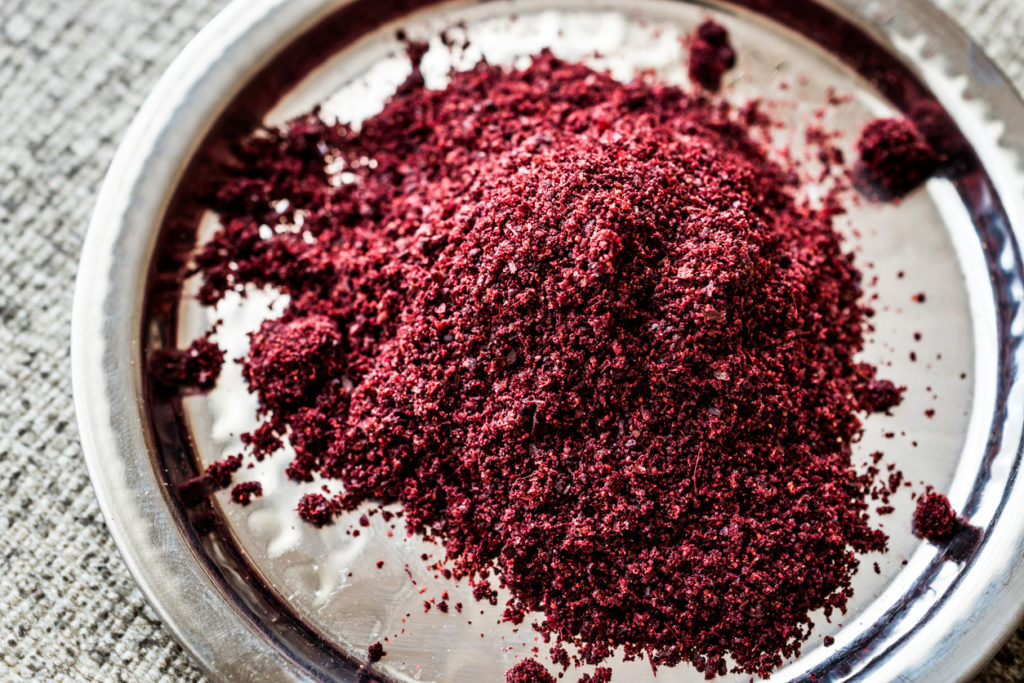
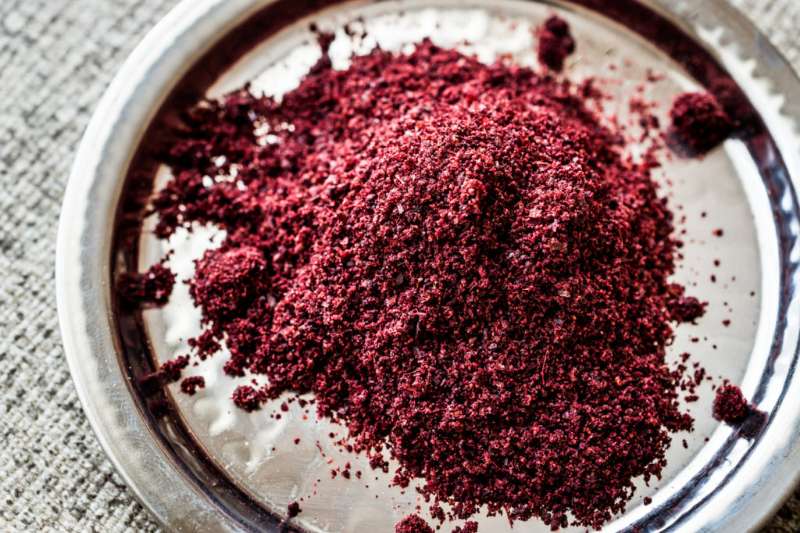
The Spice Bazaar in Istanbul is a magical place, with magnificent colors and smells. That’s where I bought a wooden box with all kind of spices: cumin, black sesame seeds, turmeric, curcuma, oregano, and sumac powder.
Sumac is the dried and powdered fruit of a tree that grows in the Anatolian peninsula. When ground into a powder it has a lovely burgundy hue and gives foods a slightly tangy, lemony flavor. It’s used to bring a rich acidity to a dish that needs some bite. I usually use it in hummus, but in Turkish cuisine, it’s sprinkled on grilled meat, fish, dumplings with yogurt, kebabs, and some salads.
When eating Turkish food in authentic restaurants, small bowls of ground sumac are often placed on the table as the main condiment.
2. Yogurt
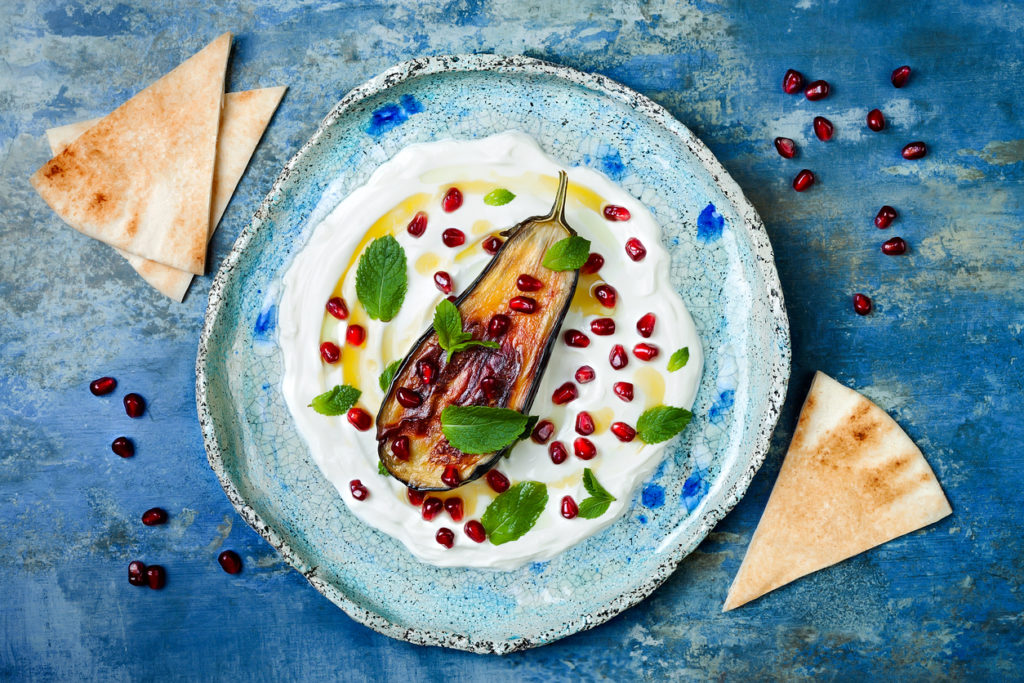
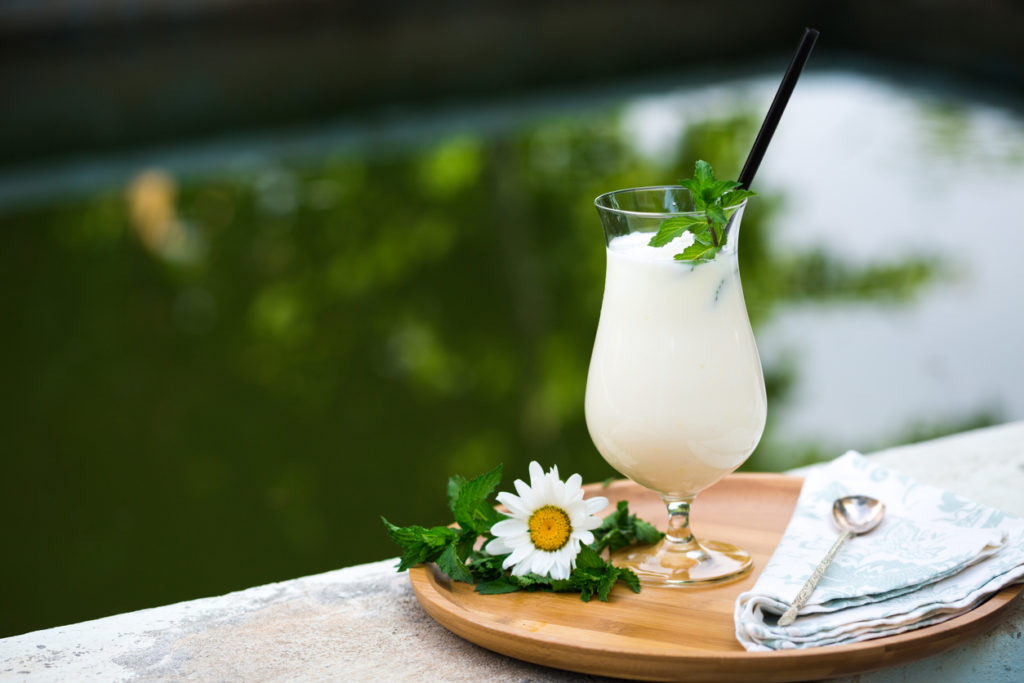
Yogurt is used in soups, sweets, and to make their traditional drink, ayran. It’s a cold yogurt beverage mixed with salt and, sometimes, with mint. If you visit this amazing country, don’t miss it!
3. Mint
4. Grape and pomegranate molasses
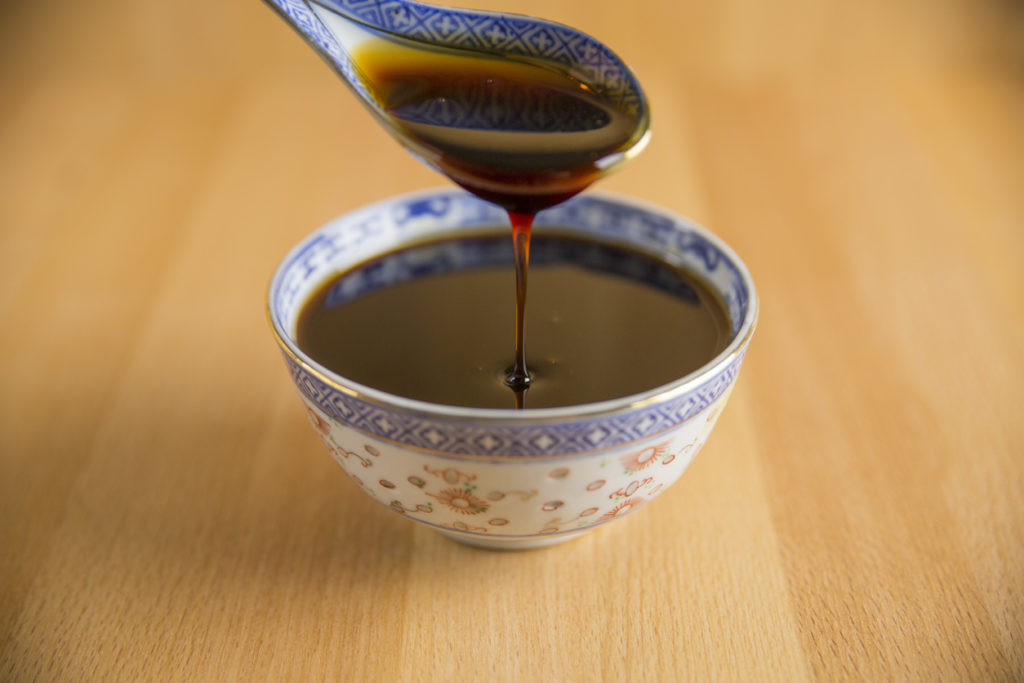
Pekmez is a sweet and thick liquid made by boiling and concentrating fruit juice. It is most often made from grapes, but there are local forms of pekmez made from other ingredients including mulberries, plums, apples, pears, sugar beets, watermelon, sorghum, and pomegranates.
Pomegranate molasses is one of those precious ingredients in Turkish cuisine – it brings acidity and a hint of sweetness to any dish. You can use it to finish a slow braise of lamb, add it to stuffed vegetables, or use it to replace the vinegar in a salad dressing.
5. Tahini
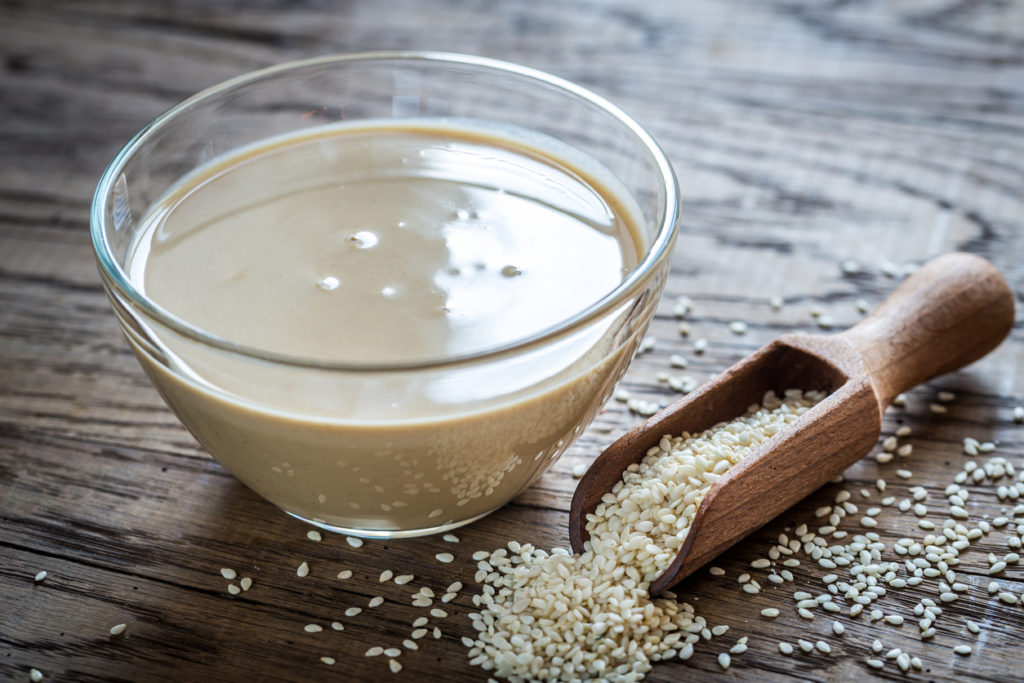
In Turkey, tahini is mixed with pomegranate molasses to form a dish called “tahin-pekmez”. Because of its high-caloric number, it’s served for breakfast, as a spread or dip with Turkish or Arabic bread. But you can serve it with any type of bread. Tahin-pekmez is also served after meals as a dessert. Tahini is used in Turkish food in some doughs and pies recipes, in sauces, and fillings.
Turkish cuisine is a magnet for those who travel in search of food adventures. The variety of dishes and the history of each craft offer enough material for life-long study and enjoyment.
Come and visit Sahan Mezopotamian Street Food Restaurant in Auburn and experience the best-tasting Turkish Food!