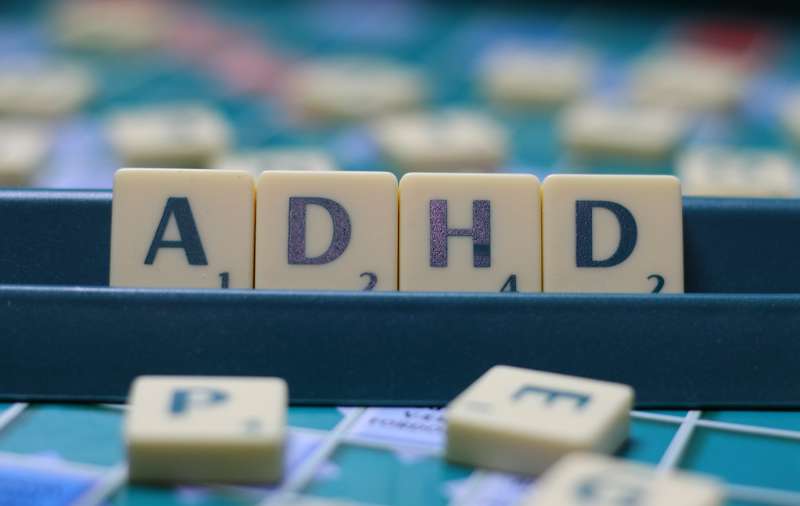
ADHD stands for attention deficit hyperactivity disorder, a complex brain disorder that affects one in twenty Australians, that’s 1.2 million people. ADHD is a developmental impairment of the brain’s executive functions. People with ADHD have trouble with impulse-control, focusing, and organization.
Neuroscience, brain imaging, and clinical research tell us a few important things: ADHD is not a behaviour disorder. ADHD is not a mental illness. ADHD is not a specific learning disability.
ADHD is, instead, a developmental impairment of the brain’s self-management system. Common ADHD symptoms include:
• inattention
• lack of focus
• poor time management
• weak impulse control
• exaggerated emotions
• hyperfocus
• hyperactivity
• and executive dysfunction
Many patients and clinicians describe ADHD as an iceberg, where most symptoms lay hiding under the surface — out of sight but ever-present.
What Is the Definition of ADHD?
“Attention deficit” is, some experts assert, a misleading name. “Attention deregulation” might be a more accurate description since most people with ADHD have more than enough attention — they just can’t harness it in the right direction at the right time with any consistency. And so individuals with ADHD hyper-focus and lose track of time, or misplace their keys, or blurt out an unrelated thought when their focus breaks free from its chains.
What Causes ADHD?
The causes of ADHD remain somewhat unclear. Research suggests that genetics and heredity play a large part in determining who gets ADHD. However, scientists are still investigating whether certain genes, especially ones linked to the neurotransmitter dopamine, play a defined role in developing ADHD.
Additional research suggests that exposure to toxins and chemicals may increase a child’s risk of having ADHD.
ADHD is not caused by bad parenting, too much sugar, or too many video games. ADHD is a brain-based, biological disorder. Brain imaging studies and other research show many physiological differences in the brains of individuals with ADHD.
What Are the 3 Subtypes of ADHD?
The Diagnostic and Statistical Manual of Mental Disorders (DSM) previously identified three types of ADHD:
• Primarily hyperactive-impulsive type
• Primarily inattentive type (formerly called ADD)
• Primarily combined type
People with the hyperactive-impulsive subtype of ADHD act “as if driven by a motor” with little impulse control — moving, squirming, and talking at even the most inappropriate times. They are impulsive, impatient, and interrupt others.
People with the inattentive subtype of ADHD are easily distracted and forgetful. They may be daydreamers who lose track of homework, cell phones, and conversations with regularity.
Individuals with combined-type ADHD display a mixture of all the symptoms outlined above.
These subtypes are now considered “presentations” in the most recent version of the DSM, the DSM-V. Researchers determined that people often move from one subtype to another. For example, a child may present as primarily hyperactive-impulsive in preschool, and lose much of the hyperarousal in adolescence to fit the primarily inattentive presentation. In college and adulthood, the same individual may transition to combined presentation.
The subtypes were primarily based on overt behavioural symptoms and ignored less visible symptoms like emotional dysregulation, cognitive patterns, and sleep difficulties. Behavioural symptoms imperfectly capture the defining features of ADHD. Non-behavioural characteristics are increasingly recognized in research and diagnosis.
Occupational therapists don’t “fix” children — we empower them. By applying these OT techniques at home, you’ll be empowering your child to better understand his symptoms and take real, concrete steps toward managing them.
Contact us for more information!
Source: ADDitude