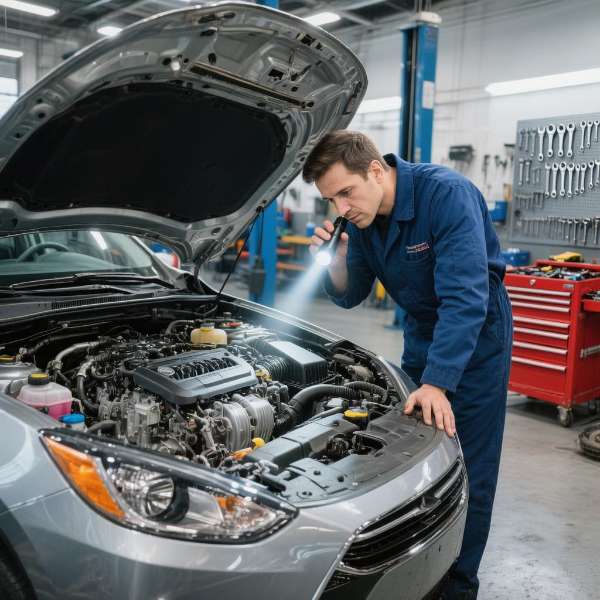
Regular car checkups are essential to ensure that your vehicle runs smoothly and remains reliable. Whether you’re commuting to work, taking a family road trip, or using your car for business, consistent maintenance helps prevent unexpected breakdowns and costly repairs. In this article, we’ll explore why regular car checkups are crucial for your vehicle’s performance and how they can keep you safe on the road.
1. Preventative Maintenance Saves You Money
One of the primary reasons regular car checkups are important is that they help catch potential issues early. Small problems, if left unaddressed, can develop into major, expensive repairs down the road. For example, neglecting to replace worn-out brake pads can result in costly damage to the brake rotors, which would require more extensive repairs.
What to Do: Schedule regular checkups with a trusted mechanic to monitor the condition of your car’s key components.
Why it Matters: Early detection of minor issues can save you from expensive repairs and prevent breakdowns that might occur at inconvenient times.
By staying proactive with your car maintenance, you can significantly reduce the overall cost of ownership.
2. Ensure Safety on the Road
Regular checkups help maintain your car's safety features, ensuring that it performs reliably under various driving conditions. Key safety components like brakes, tires, steering, and suspension systems require constant attention to ensure they’re functioning properly.
What to Do: Have your brakes checked, your tires rotated and balanced, and your steering and suspension systems inspected at regular intervals.
Why it Matters: A well-maintained car is safer to drive, reducing the risk of accidents caused by faulty brakes or worn-out tires.
Keeping your car in good working order is a critical factor in preventing accidents and ensuring your safety and that of your passengers.
3. Extend the Life of Your Car
A vehicle that is regularly checked and maintained will last longer than one that is neglected. Regular servicing helps your car run efficiently, which can extend its lifespan and delay the need for costly replacement.
What to Do: Stick to your car's maintenance schedule, including oil changes, fluid checks, and filter replacements, as outlined by your vehicle's manufacturer.
Why it Matters: Regular maintenance prevents engine wear, keeps components running smoothly, and ensures that your car is ready for many more miles.
By taking care of your car, you are investing in its long-term performance and value.
4. Maintain Fuel Efficiency
A well-maintained vehicle is more fuel-efficient. Simple things like keeping your tires properly inflated, changing the oil regularly, and replacing clogged air filters can have a significant impact on your car's fuel efficiency.
What to Do: Perform routine checks to ensure that your car’s air filters are clean, tire pressure is optimal, and the engine is running smoothly.
Why it Matters: Fuel efficiency is directly related to how well your car is maintained. A car that’s not well-maintained will consume more fuel, costing you more money at the gas pump.
Regular maintenance ensures that your vehicle is operating at its peak efficiency, saving you money in the long run.
5. Improve the Resale Value of Your Car
When the time comes to sell or trade in your vehicle, a well-maintained car will fetch a higher price than one with visible issues or a lack of service records. Buyers are more likely to purchase a car that has been consistently cared for and shows proof of regular maintenance.
What to Do: Keep a detailed record of all your car's services and repairs, and make sure to have it regularly serviced to ensure it’s in top condition.
Why it Matters: Regular maintenance boosts the resale value of your car, making it a more attractive option to potential buyers.
Investing in your car’s maintenance ensures that you’ll receive a fair value when you decide to sell it.
6. Prevention of Major Mechanical Failures
Vehicles are complex machines with many interdependent systems. If one part fails, it can lead to a cascade of issues that may cause a major breakdown. Regular checkups help prevent these kinds of mechanical failures by keeping your car’s systems running smoothly and identifying potential trouble spots before they escalate.
What to Do: Pay attention to your car’s performance and schedule checkups to have the timing belt, transmission, and other critical parts inspected.
Why it Matters: By maintaining key systems, you prevent major failures that could leave you stranded on the road or cause expensive repairs.
Proactively addressing potential problems can help you avoid the inconvenience and cost of unexpected car failures.
Conclusion
Regular car checkups are an essential part of responsible vehicle ownership. They help ensure safety, increase the lifespan of your vehicle, improve fuel efficiency, and save you money in the long term. By sticking to a regular maintenance schedule, you can prevent major issues and avoid unnecessary stress on the road.
If you want to keep your car in excellent condition and ensure its reliable performance, contact Empire Mechanics & Tyres for expert advice and services. Our team of professionals is here to provide the best car care solutions for all your vehicle maintenance needs.