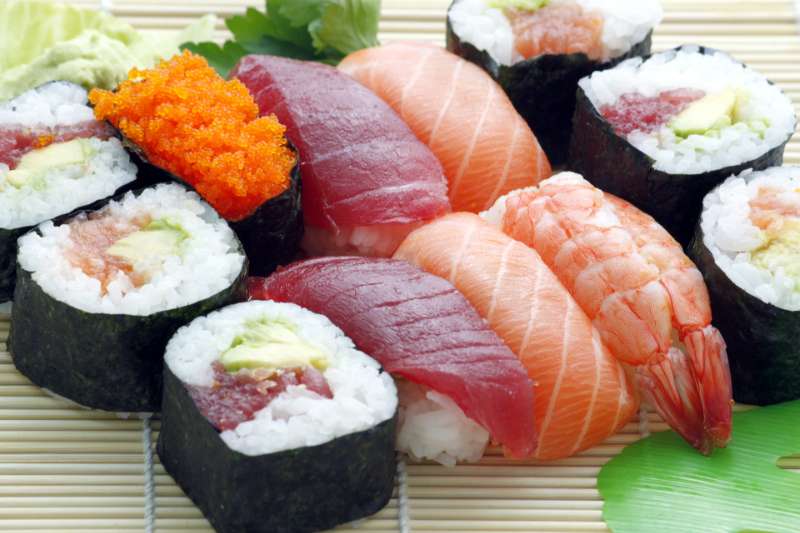
Sushi is obviously one of the best foods in the world. The mix between special rice and raw fish is to die for. But can we use any fish to make delicious sushi? And how do we pick the best one to make a fresh one?
Nearly every fish or other sea critter is edible, but not every one of them is edible raw. Raw fish has been in fashion in the West for some time, but sushi and sashimi have been part of Japanese cuisine for centuries. When making either at home, it's best to follow their lead so you know which fish you can safely eat raw.
Sushi Bar Fish
For any raw dish, you'll find it best to stick with any fish you'd find in a sushi bar (sushi-ya, as they are called in Japan). This can be an issue if you've not dined in one before. Let's start you off with the classic raw fish you'll see in a Japanese sushi-ya:
- Tuna: A top choice, go with any sort of tuna, including bluefin, yellowfin, bigeye, skipjack, bonito, and albacore. There are a few rarer ones as well.
- Salmon: Though it is popular and commonly used for sushi, this particular fish does come with concerns about parasites. Be sure to freeze it first.
- Clams, Scallops, and Abalone: These mollusks are quite popular options. However, you'll want to avoid oysters. While they are tasty raw, oysters don't go well with sushi rice.
- Yellowtail: This is a type of jackfish called hamachi in Japanese. For many people, it is a favorite raw fish.
- Halibut or Flounder: The English names of these fish may not appear on a sushi menu. In sushi-speak, they are known as hirame.
- Squid: Even though it's common in sushi, squid is typically flash-cooked for a few seconds rather than served raw.
- Gizzard Shad: This baitfish the Japanese call kohada is esteemed in some circles. While it does have a very fishy taste, it is not in a bad way.
- Mackerel: Called saba or aji in Japanese, all forms of mackerel make excellent choices. They are always treated with vinegar before serving.
- Seabass, Porgies, and Snapper: All are bass-like fish, and all are commonly seen in sushi restaurants under the names of tai and suzuki. These too are often treated before serving raw.
Freshness
Another key factor in eating raw fish is freshness. A fish that has not been treated well from the second it came over the boat rail is not going to be a good fish to eat raw.
Sushi-grade fish are caught quickly, bled upon capture, gutted soon after, and iced thoroughly. This method matters a lot. A piece of fish can be perfectly good to eat cooked but very nasty to eat raw. Cooking kills a lot of bacteria and such that begin to accumulate in raw fish after it dies.
If you catch fish yourself and want to eat them raw, remember which fish you can do this with from the list above. It is not exhaustive, but it's a good guide.
If you catch such a fish, do as the pros do:
1. Bleed it by slicing through the gills and/or cutting a slice near the tail all the way to the backbone.
2. Gut the fish on the boat. Most worms that are found in fish once lived in the animal's guts, then migrated to the flesh after the fish died. Fast gutting prevents this in most cases.
3. Bring ice on the boat, even in cold weather. Buy many pounds of ice, and then buy one more bag. You'll find that it's worth it.
Don't let all of this scare you: Eating raw fish is a wonderful way to enjoy seafood and many people eat raw fish regularly without issues. Just be smart about what you're doing and you'll be fine.
Don't let all of this scare you: Eating raw fish is a wonderful way to enjoy seafood and many people eat raw fish regularly without issues. Just be smart about what you're doing and you'll be fine.
Source: thespruceeats.com