Have you ever been afraid to enter a Japanese restaurant? The country has amassed a wide and thorough array of dining customs as a result of its rich and venerable food culture and emphasis on aesthetics and subtlety. Food shows and documentaries just add to the frightening uncertainty of the situation. But all you need is to learn the fundamentals of table manners. This list to act hopefully can help you with what you need to know how to confidently enjoy one of the world's most respected food cultures.
Begin With a Phrase
When it comes to food, To begin with, Japanese mostly used chopsticks, rather than a fork and knife, as the preferred utensil. Second, there are many foods that are special to the Japanese table and must be consumed in a specific way.However, before you start eating, it is customary to greet your Japanese meal with the word "itadakimasu." This is particularly true while dining with Japanese people, in a Japanese restaurant, or when traveling in Japan. Itadakimasu literally translates to "to humbly receive" or "to gratefully receive food," but its true sense is more akin to "bon appetit!"
Don't wait for everyone to start eating
Unlike in Western cultures, where it is customary to wait for everyone to be served, food in Japan is consumed as soon as it is delivered. atsui uchi ni tabete (“Eat it while it's hot”), Dozo O-saki ni (“Go ahead”), and Meshiagarikudasai (the honorific form of “Please eat”) are all Japanese phrases for this. Traditionally, everybody ate the same thing, taking a portion from shared dishes with tiny torizara (sharing plates). This meant that food was cooked without regard for timing. When ordering different meals in modern times, it is considered polite to offer to wait, but if you are the one waiting, it is polite to tell the others at the table to go ahead.How to eat steamed Rice
When eating steamed rice as part of a Japanese meal, hold the bowl in one hand with three to four fingers supporting the bowl's base and the thumb resting comfortably on the side. A small piece of rice is picked up with chopsticks and eaten. The bowl should not be brought to the mouth, but rather kept at a distance to catch any rice that falls. It's considered poor manners to bring your rice bowl to your lips and shovel rice into your mouth.While it is appropriate to season plain steamed rice with dried rice seasonings (furikake), dried seasoned seaweed (ajitsuke nori), or other vegetable or protein-based rice seasonings (tsukudani), pouring soy sauce, mayonnaise, chili peppers, or chili oil directly over steamed rice in your rice bowl is not.
How to Enjoy Miso Soup
You may be shocked to hear that miso soup, also known as "miso shiru" in Japanese, is traditionally eaten with chopsticks. The small soup bowl is held in one hand, with four fingers supporting the bowl's base and the thumb resting comfortably on the bowl's rim.Since there is no spoon, you are supposed to drink from the bowl. When sipping the broth, it's normal to support the bowl with your free hand, effectively using both hands to do so. Chopsticks are used to consume the miso soup's strong ingredients, but the bowl should always be cradled in one hand and lifted closer to your mouth, as if eating steamed rice.
Sashimi (Raw Fish)
The proper way to serve sashimi is to place the raw fish on a separate plate, along with a smaller empty dish for a portion of soy sauce. Often wasabi, or Japanese horseradish, is mixed into the soy sauce.To eat sashimi, each piece is dipped into the separate dish of soy sauce and wasabi, then enjoyed. There is no need to lift the soy sauce dish off the table. It is not appropriate to simply pour soy sauce all over the sashimi, especially when a small dish is provided for the soy sauce.
How to Eat Sushi
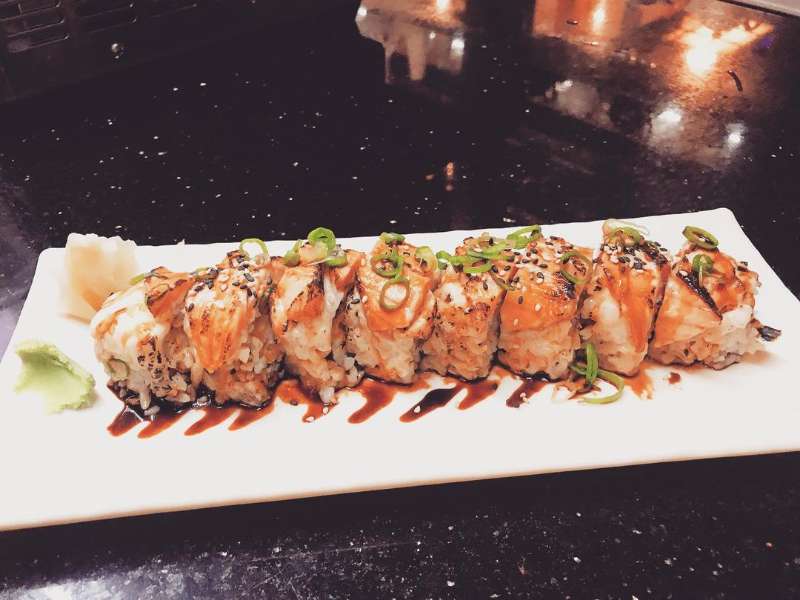
Sushi is a popular Japanese dish that was the first to introduce Japanese cuisine to the rest of the world. Sushi is now enjoyed by a large number of people all over the world. Nigiri-zushi (hand-shaped sushi) with a slice of raw fish on top of rice is usually eaten with soy sauce and wasabi, as you might know.Not everybody enjoys wasabi, which is notorious for inducing a spicy burning sensation in the nose and sinuses. If you don't like wasabi, tell the workers when ordering sushi in Japan that you want it "sabi nuki" (without wasabi).
The best way to enjoy sushi is by eating each piece with your hand. Using chopsticks is also acceptable, but if you ask the sushi chefs, they'll all encourage you to it by hand. This will prevent the sushi from falling apart.
When you dip sushi into the soy sauce, flip the sushi over so that the fish absorbs some soy sauce rather than the rice; this way the rice won't soak up too much soy sauce and you won't lose the flavor of the fish itself.
Tempura (Deep-Fried Seafood and Vegetables)
Tempura, or battered and deep-fried seafood and vegetables, are typically served with either salt or a tempura dipping sauce—"tsuyu" as it is known in Japanese. When a tsuyu dipping sauce is available, it is usually served with a small plate of grated daikon radish and freshly grated ginger.The standard way of eating tempura is by dipping each piece of tempura in ten-tsuyu, a special dipping sauce. Ten-tsuyu is made from dashi soup stock, soy sauce and mirin (sweet rice wine). You can also add grated Japanese daikon radish and grated ginger to ten-tsuyu which bring a sharp freshness to its dish.
The order of eating its tempura pieces is also important. If several pieces of tempura are served on one plate, you should start with lighter types of food (such as vegetables and shrimp) first and then move onto heavier types of food such as anago eel.
How to Enjoy Japanese Noodles
Slurping the noodles is not impolite—in reality, it is culturally appropriate. There are many varieties of noodles in Japanese cuisine, and some are eaten in a different way than others. Chopsticks are used to eat hot noodles in a broth straight from the tub. An oversize spoon, known in Japanese as "rengey," is often served to assist in lifting the noodles and drinking the broth with your free hand. Spaghetti napolitan, also known as spaghetti naporitan, is a Japanese style pasta dish made with a sauce that is tomato ketchup based that is considered "yoshoku" cuisine, or western cuisine.Cold noodles can be served on a flat plate or strainer in the "zaru" form. They're always served with a small cup of dipping sauce on the side (or the sauce is provided in a bottle). One bite at a time, the noodles are dipped into the sauce and then eaten. If the noodle is served with a small plate of freshly grated daikon radish, wasabi, and sliced green onions feel free to add these to the small cup of dipping sauce for added flavor.
Cold noodles served in a shallow bowl with various toppings and a bottle of tsuyu, or noodle sauce, is typically meant to be eaten from the bowl. The tsuyu is poured over the contents and eaten with chopsticks. Examples of this are hiyashi yamakake udon and cold udon with grated Japanese mountain yam.
The Chopsticks
A Japanese meal is often set on the table with a pair of chopsticks laid on a chopstick rest. If you pause eating during your meal to enjoy your drink, place your chopsticks back onto the chopstick rest—that's exactly what they're for. If no chopstick rest is provided, simply lay your chopsticks together neatly across your plate or bowl.The End of Your Japanese Meal
At the end of your Japanese meal, return your chopsticks back onto the chopstick rest if one was provided. If no chopstick rest was provided, neatly lay your chopsticks across a plate or bowl.Say "gochisou-sama" in Japanese to indicate that you are full and have enjoyed your meal. The translation for this Japanese phrase means "thank you for this delicious meal" or simply, "I am finished with my meal." The phrase may be directed to your host, your family member who cooked the meal for you, the restaurant chef or staff, or even said out loud to yourself.
If you looking forward to taste the best Japanese food, Come and visit Kaisen Japanese Restaurant with your family or friends and experience our delicious food. We serve fresh and delicious Japanese cuisine. Kaisen Japanese Restaurant is the ideal venue for groups, in a friendly and very comfortable atmosphere. You will be tempted by every delight we offer.
Source: thespruceeats, frommers, matcha-jp