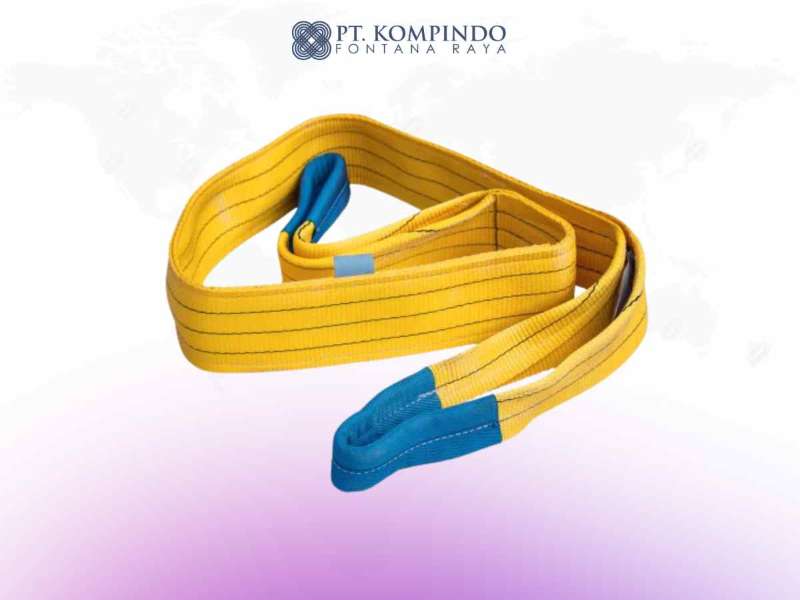
Are you looking for a reliable and strong lifting solution for your industrial projects? A webbing sling belt is the perfect tool for handling heavy loads across various industries, from construction to manufacturing. However, choosing the right load capacity is crucial for ensuring safety and efficiency.
Read also: Types and How to Choose the Right Webbing Strap for Your Needs
Whether it's a webbing sling belt with a 2-ton, 3-ton, or 5-ton capacity, each option has its own advantages. If you want to make the right choice and need a dependable tool, read this complete guide to discover how to choose the best webbing sling belt for your specific needs!
What is a Webbing Sling Belt?
A webbing sling belt is a lifting tool made from woven fibers, typically polyester or nylon, designed to safely handle heavy loads. This tool is widely used in various industrial projects due to its ability to distribute weight evenly, reducing the risk of damage to the items being lifted.
Compared to chains or steel cables, webbing sling belts are lighter and more flexible, making them easier to operate and less likely to cause damage to the load.
Additionally, webbing sling belts are known for their resistance to extreme weather conditions and certain chemicals, making them an ideal lifting tool in various work environments.
Their flexibility allows for a slight stretch that helps absorb shock when lifting loads, ensuring a safer and more stable lifting process.
However, selecting the appropriate load capacity is vital. Webbing sling belts come in various capacities, and one important consideration is choosing between a 2-ton, 3-ton, or 5-ton capacity, depending on the type of project. Working with reputable webbing sling belt manufacturers can ensure you get the best quality for your industrial needs.
Choosing the Right Webbing Sling Belt Capacity
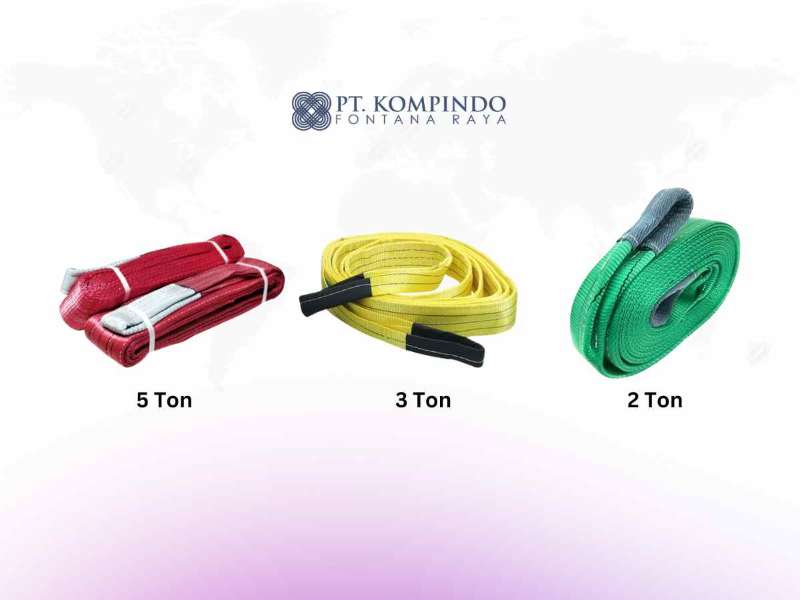
When selecting a webbing sling belt, it is crucial to match the load capacity to the weight of the items you will be lifting.
Each capacity has its specific advantages based on the industry's needs, and consultingexperienced webbing sling belt manufacturers can help you make the best decision.
1. 2-Ton Webbing Sling Belt
A 2-ton webbing sling belt is ideal for light to medium lifting tasks. It is commonly used in industries that handle smaller items, such as machinery components or logistical goods.0
This capacity is perfect for small to medium-scale projects that require a lightweight, easy-to-operate lifting tool.
2. 3-Ton Webbing Sling Belt
If you need a higher capacity, a 3-ton webbing sling belt is a great choice. It is well-suited for medium-sized industrial environments, such as lifting larger machines or industrial equipment.
This capacity offers greater flexibility in handling heavier loads while still falling within the category of medium-duty tasks.
3. 5-Ton Webbing Sling Belt
For large-scale projects and heavy-duty lifting, a 5-ton webbing sling belt is the best option. It is frequently used in heavy industries such as construction or mining, where lifting large items like concrete blocks or heavy machinery requires a strong, secure tool.
This higher capacity provides additional safety and ensures stability when lifting substantial loads.
By understanding these different capacities, you can select the webbing sling belt that best suits your specific project needs, whether for light, medium, or heavy lifting tasks.
Tips for Using and Maintaining Webbing Sling Belts
Once you've chosen the right webbing sling belt, the next step is to ensure it's used and maintained properly to extend its lifespan and maintain safety. Here are some detailed tips for using and maintaining webbing sling belts:
1. Inspect Before Use
Always inspect the condition of the webbing sling belt before use. Check for any tears, fraying, or damage to the hooks. Regular visual checks help identify potential issues before use, reducing the risk of equipment failure during lifting.
2. Do Not Exceed Load Capacity
It's important to always use the webbing sling belt within its stated load capacity. Lifting loads that exceed the capacity can damage the tool and increase the risk of accidents.
3. Even Load Distribution
Ensure that the load is evenly distributed along the sling belt. Uneven loads can cause excess pressure on one side, leading to wear or failure of the sling belt.
4. Proper Storage
When not in use, store the webbing sling belt in a dry, clean place, away from direct sunlight and chemicals that could damage the fibers. Proper storage helps maintain the quality and longevity of the tool.
5. Clean Regularly
If the sling belt becomes dirty with mud or debris, wash it with clean water and allow it to air dry. Avoid using harsh chemicals that could weaken the fibers.
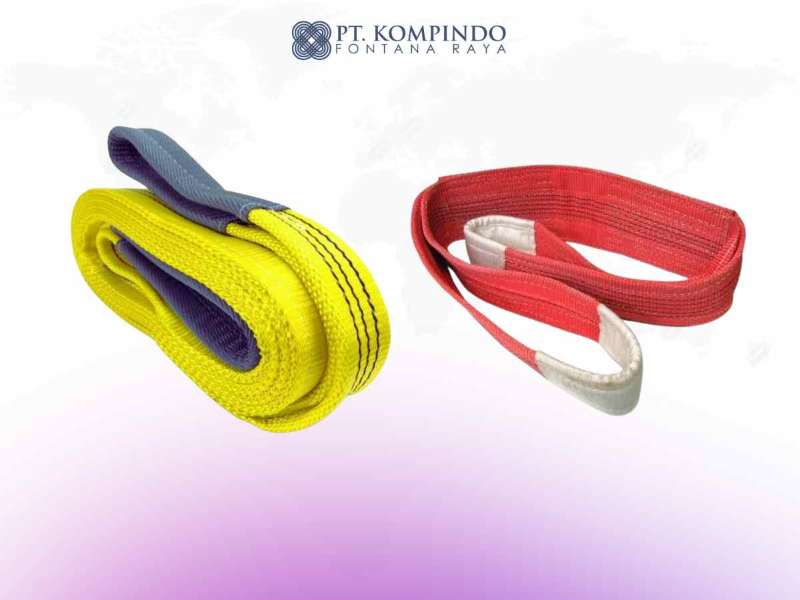
Choosing the right webbing sling belt is essential for maintaining safety and efficiency in your industrial projects. Whether you need a 2-ton, 3-ton, or 5-ton capacity, each tool has its specific role based on your project needs.
Proper care, including regular inspections, safe storage, and correct usage, will help extend the lifespan of your webbing sling belt and ensure its optimal performance.
By understanding your project requirements and maintaining the tool properly, Fontana’s webbing sling belts can provide reliable, long-lasting lifting solutions, ensuring safety and efficiency in every operation.
Our Location:
Jl. Daan Mogot B No.6, RT.005/RW.8, Poris Gaga Baru, Kec. Batuceper, Kota Tangerang, Banten 15122