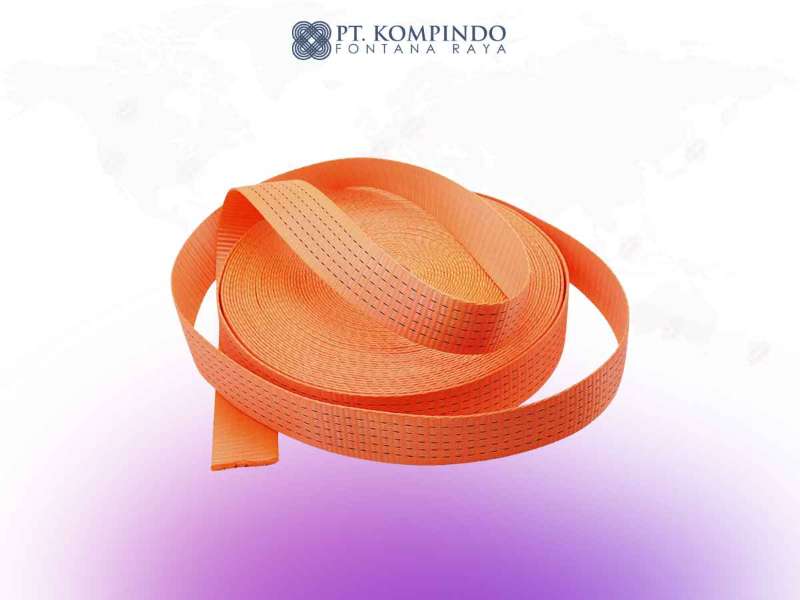
A webbing strap is an often-overlooked element but one that is crucial across various industries and in daily activities.
Read also: Why Choose Indonesian Webbing Manufacturers for Your Industry Needs?
From securing items during outdoor activities to serving as safety equipment in industrial settings, the webbing strap plays a vital role in ensuring safety and efficiency.
This article will explore webbing straps in greater detail, including their types, uses, and proper care tips to ensure your webbing strap remains durable and long-lasting.
What is a Webbing Strap?
A webbing strap is a strong synthetic strap made from materials like nylon, polyester, or polypropylene. Known for its ability to handle heavy loads without significant wear or tear, webbing straps are widely used in various applications, such as safety belts, securing goods, and safety gear.
Types of Webbing Straps
When choosing a webbing strap, it is essential to understand the differences between the materials used. Each material has its strengths and weaknesses, which should be matched to your specific needs.
1. Nylon
Nylon is one of the most commonly used materials in webbing straps. It is known for its strength and flexibility. In addition, nylon offers excellent resistance to abrasion, making it suitable for use in harsh environments.
However, nylon’s main weakness is its susceptibility to damage from ultraviolet (UV) exposure and water. When used outdoors or in damp conditions, nylon tends to absorb water, which can weaken its structure over time.
2. Polyester
Polyester is more resistant to UV rays and moisture than nylon. Webbing straps made from polyester have high tensile strength and are less likely to degrade from prolonged exposure to sunlight or water. For these reasons, polyester is an excellent choice for outdoor use or in humid environments.
However, polyester is slightly less flexible than nylon, so in applications where elasticity is important, nylon might be a better option.
3. Polypropylene
Webbing straps made from polypropylene are water-resistant, making them ideal for water-related activities such as sailing or water sports. Additionally, this type of strap is lighter than nylon and polyester, providing greater comfort in certain conditions.
Despite these advantages, polypropylene is less abrasion-resistant and has lower tensile strength compared to the other two materials.
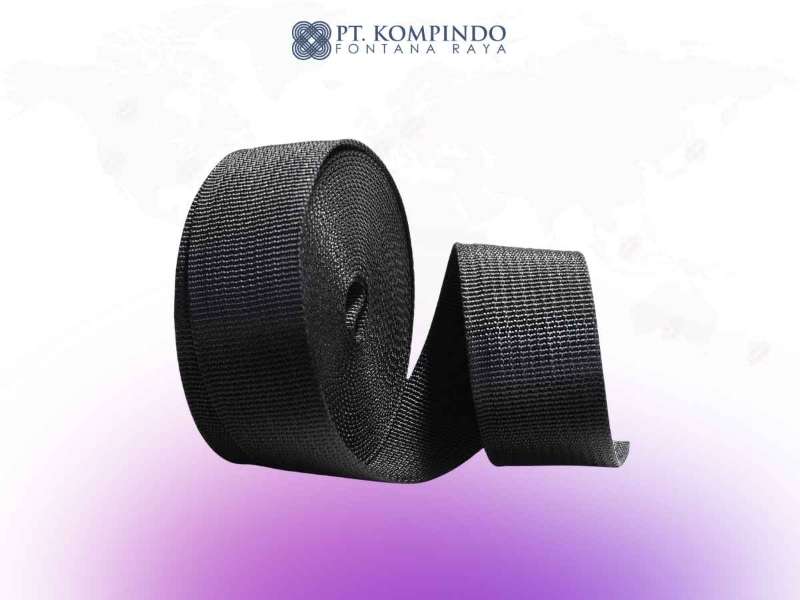
Uses of Webbing Straps
Webbing straps serve various purposes in both everyday life and industrial applications. Below are some of the main uses of webbing straps:
1. Outdoor Activities
In activities like mountain climbing, camping, or survival expeditions, webbing straps are used as safety ropes, to secure goods, or even as parts of hammock equipment.
These straps are highly valued for their lightweight yet strong characteristics, allowing climbers to carry straps capable of holding large loads without adding too much weight to their gear.
2. Shipping and Transportation Industries
Webbing straps are widely used in the shipping and transportation industries to secure goods during transport. These straps are vital for ensuring that the goods being transported remain stable and do not shift or fall during transit, whether in trucks, ships, or planes.
3. Safety Equipment
In safety applications, such as seat belts, harnesses in construction, or fall protection equipment for workers at heights, webbing straps are used due to their strength, which can withstand heavy loads and extreme pressure.
Choosing the right material is crucial for ensuring that the strap is effective in safeguarding users.
4. Military Equipment
In the military, webbing straps are used in various tactical gear, such as belts, vests, and backpacks. These straps allow equipment to be securely fastened to a soldier's body, providing flexibility and safety during missions.
5. Household Uses
Webbing straps are not only useful in industries but also have many uses around the home. These straps are often used to secure items during moves, stabilize items on shelves or in storage, and even in DIY (Do It Yourself) projects for various purposes.
Tips for Choosing the Right Webbing Strap
Selecting the right webbing strap can be a challenge, especially if you are unfamiliar with the different materials and sizes available. Here are a few tips to help you choose the most suitable strap for your needs:
1. Consider the Load Capacity
Ensure that the webbing strap you choose has the appropriate load capacity for your needs. Each strap has a different tensile strength, and it is essential to select a strap that can handle the load without the risk of breaking or damage.
2. Select the Material Based on Environmental Conditions
If the strap will be used outdoors or in conditions frequently exposed to sunlight and moisture, opt for polyester, which is UV- and moisture-resistant. If the environment is less extreme, nylon can be a more flexible option.
3. Choose the Right Size and Length
Webbing straps come in various sizes and lengths. Choose the size and length that match your specific needs. For instance, if you need a strap to secure larger items, go for a wider strap that offers better stability.
4. Consider Ease of Use
Some webbing straps come equipped with hooks or buckles that make them easier to attach and tighten. Be sure to choose a strap with a user-friendly tightening mechanism for more convenient use.
Webbing straps are versatile tools that can be used in various applications, from outdoor activities to industrial needs.
By understanding the different types, uses, and proper care, you can maximize the benefits of these straps and ensure they remain in good condition for long-term use. Always choose the webbing strap that suits your needs to maintain both safety and efficiency.
Do not hesitate to contact PT. Kompindo Fontana Raya for further consultation or to order webbing products that meet your industrial needs. Visit our website at fontana.co.id for more information.
Our Location:
Jl. Daan Mogot B No.6, RT.005/RW.8, Poris Gaga Baru, Kec. Batuceper, Kota Tangerang, Banten 15122