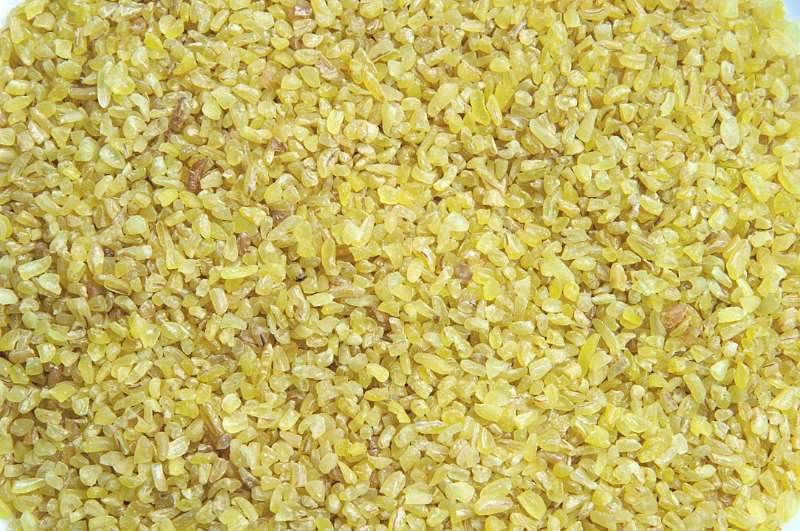
Bulghur is more common than rice in some parts of Turkey. It makes a healthy and quick addition to any meal because it’s 100 percent whole wheat that’s specially prepared to decrease cooking time. It's a good source of fibre, protein, iron and vitamin B-6. Eating whole-grain foods, including bulghur, may lower the risk of developing cardiovascular disease, according to the Harvard School of Public Health.
Nutritional Basics
To make bulghur, whole-wheat kernels are simmered and then baked, which reduces the amount of time they take to cook. The grains can be kept whole, but they're often crushed or cracked. One cup of cooked bulghur has 151 calories and 6 grams of protein.
Carbohydrates and Fibre
If you eat just 1 cup of cooked bulghur, you’ll get 34 grams of carbohydrates. That’s 26 percent of the recommended intake of 130 grams daily. In addition to energy-providing carbohydrates, the same portion has 8 grams of fibre. Bulghur contains some soluble fibre, but about 90 percent of the wheat kernel consists of insoluble fibre. If you’re not used to eating so much fibre in one serving, increase the amount gradually to avoid side effects such as gas, bloating and diarrhoea.
Iron
The body retains most of its iron, but you still need to get enough in your diet to replace the amount normally lost. For women, that means getting 18 milligrams daily, but men only need 8 milligrams. Even though it’s best known for carrying oxygen in the blood stream, iron is actually a part of every cell in your body. It’s an essential component of enzymes and proteins, it helps form the collagen that supports your skin and muscles and it supports the immune system. Just 1 cup of cooked bulghur has 1.75 milligrams of iron.
B Vitamins
The B vitamins all work as coenzymes, which mean they activate enzymes that have various roles, including metabolizing food into energy and producing hormones and neurotransmitters. The vitamins each have other specialized jobs to perform too. For example, vitamin B-6 and folate remove an amino acid called homocysteine from the blood stream. If you don't have enough B-6 and folate, levels of homocysteine can build up, which is a risk factor for developing cardiovascular disease. You’ll get 8 to 12 percent of the recommended daily intake of thiamin, niacin, folate and vitamin B-6 in a 1-cup serving of bulghur.
Serving Tips
Toss uncooked bulghur into soup, stew or chilli and simmer until it’s soft. Use it for cereal or a side dish, the same way you’d use brown rice and oats. Make a sweet salad with cooked bulghur, carrots, raisins, pineapples and raspberry vinaigrette. Cook bulghur in low-salt chicken broth and add any combination of your favourite salad ingredients; some that pair well include beans, tomatoes, cucumbers, radishes, onions, sweet peppers, spinach, walnuts and chicken.
Source: healthyeating.sfgate.com