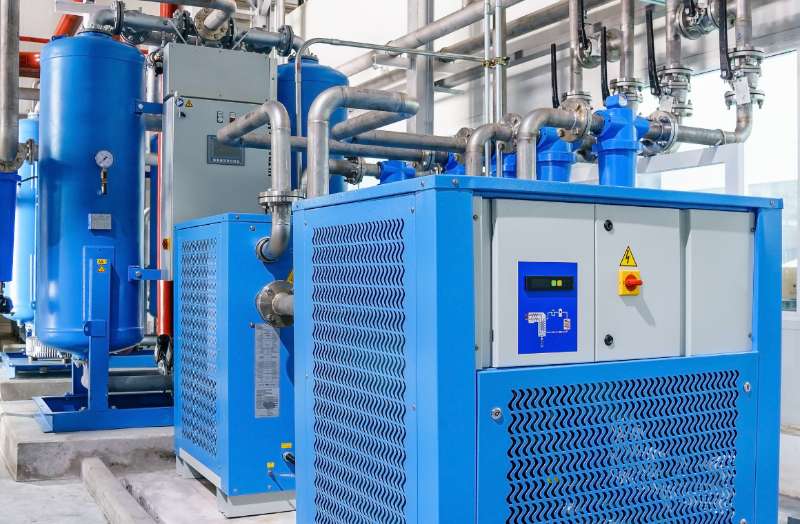
Most air compressor failures don't happen without warning. Strange noises, pressure drops, overheating, and oil leaks are the most common signs your compressor needs professional repair. Ignoring these symptoms leads to costly breakdowns and production downtime. If your compressor is showing any of the signs below, contact All Air Compressors for professional air compressor repair Sydney — available 24/7 for repairs and servicing across NSW.
An air compressor that is starting to fail will almost always show warning signs before it breaks down completely. Catching these signs early is the difference between a straightforward repair and an expensive full replacement. If your compressed air system is behaving differently than usual, it's worth taking action now rather than waiting for a breakdown that stops your operation.
Below are the seven most important warning signs to watch for — and what each one likely means.
1. Unusual Noises Coming From the Compressor
A healthy air compressor runs with a consistent, familiar hum. Therefore, when you start hearing grinding, rattling, knocking, or squealing sounds, that is a clear signal something is wrong internally.
- Grinding usually points to worn or damaged bearings
- Knocking can indicate a loose connecting rod or piston issue
- Squealing often means a worn belt or pulley problem
These noises tend to get worse over time. The sooner a technician inspects the unit, the lower the repair cost is likely to be.
2. The Compressor Is Not Building Pressure
If your compressor runs but fails to reach its rated pressure — or takes significantly longer than usual — this points to a performance issue that needs immediate attention.
Common causes include:
- Worn piston rings or valve leaks
- A failing inlet valve or check valve
- Air leaks in the piping or fittings downstream
Because compressed air systems power your tools and production equipment, low pressure directly affects output quality and efficiency. Don't assume the issue will resolve on its own — it rarely does.
3. The Unit Is Overheating Regularly
Air compressors generate heat as part of normal operation. However, if your compressor is shutting down due to overheating, or running noticeably hotter than usual, this is a red flag.
Overheating is commonly caused by:
- Low or degraded lubricant oil
- Blocked or dirty cooling fins and air vents
- Operating in a poorly ventilated space
- A failing thermal valve or cooling fan
Repeated overheating accelerates wear on internal components and shortens the compressor's lifespan significantly. Furthermore, it can trigger automatic shutdowns at the worst possible times.
4. Visible Oil Leaks Around the Unit
Oil spots or pooling beneath your compressor are never a good sign. Oil leaks reduce lubrication levels, which in turn causes excessive friction and heat build-up inside the machine.
Additionally, oil contamination in your compressed air supply can cause serious problems in industries like food processing, pharmaceuticals, and spray painting — where air purity is critical.
Check around the oil fill cap, gaskets, seals, and hose connections regularly. Even a slow drip warrants a professional inspection before it becomes a larger problem.
5. Excessive Moisture in the Air Lines
Some moisture in a compressed air system is normal. However, if you are noticing water in your air lines, tools, or end-use equipment more frequently than usual, your air dryer or moisture separator may be failing.
Excess moisture leads to:
- Rust and corrosion inside piping and equipment
- Reduced tool life and performance
- Contamination in sensitive production processes
This is a particularly common issue in Sydney's humid coastal climate, where ambient moisture levels are already higher. A functioning air dryer is not optional — it is a critical part of the system.
6. The Compressor Is Cycling On and Off Too Frequently
Short cycling — where the compressor starts and stops repeatedly in quick succession — puts enormous strain on the motor and electrical components.
The most likely causes are:
- A faulty pressure switch that is not holding the set range
- An undersized compressor struggling to keep up with demand
- Air leaks causing the system to lose pressure faster than the compressor can maintain it
As a result, short cycling dramatically increases energy consumption and wear on the motor. Left unaddressed, it can lead to motor burnout — one of the most expensive fixes, which is why prompt air compressor servicing and repairs are essential to protect your equipment.
7. A Sudden Spike in Energy Bills
If your electricity costs have increased but your usage pattern has not changed, your compressor may be working harder than it should.
An inefficient compressor draws more power to maintain the same output. This typically happens when:
- Internal components are worn and creating resistance
- Air leaks are forcing the motor to run longer cycles
- The compressor is overdue for servicing and oil change
Consequently, tracking your energy bills against your maintenance schedule is a simple but effective way to catch efficiency problems early.
When Should You Call a Compressor Technician in Sydney?
You should call a qualified technician as soon as you notice any of the warning signs above — especially overheating, pressure failure, or unusual noises. These are not issues to monitor and wait on.
All Air Compressors provides 24/7 repair and servicing across Sydney and NSW. Whether you need emergency air compressor repairs Sydney or a scheduled inspection, the team responds quickly to keep your operations running.
CALL US NOW
BOOK NOW
Frequently Asked Questions
How do I know if my air compressor needs repair or full replacement?
If the unit is under 10 years old and the fault is isolated — such as a failed valve or worn seal — repair is usually the right call. A technician can assess this quickly and give you an honest recommendation.
Can I keep using my compressor if it is making a strange noise?
No. Switch it off immediately. Grinding or knocking noises indicate internal wear, and continuing to run the unit can turn a minor fix into a costly replacement.
What causes an air compressor to lose pressure over time?
The most common causes are worn valves, failing piston rings, or air leaks in the piping. A technician can pinpoint the exact cause through a pressure test and inspection.
How often should an industrial air compressor be serviced in Sydney?
Every 1,000 to 2,000 operating hours, or at least once a year — whichever comes first. Sydney's humid climate makes regular moisture separator checks especially important.
Is 24/7 repair available for air compressors in Sydney?
Yes. All Air Compressors offers 24/7 repair and callout services across Sydney and NSW. Call directly or submit an enquiry online and a technician will respond promptly.