7 Crucial Things to Know Before Using Tow Truck Services
America’s roadways stretch across thousands of miles, connecting bustling metropolitan highways to quiet interstate routes. Whether you are commuting to work, embarking on a cross-country road trip, or navigating scenic state routes, experiencing a sudden vehicle breakdown or accident is an unwanted surprise.
Finding yourself stranded on the side of a busy highway or remote backroad is stressful. In a moment of panic, many drivers impulsively search online and call the first towing company that appears. However, making a rushed decision can lead to unexpected out-of-pocket costs, improper handling, or unnecessary damage to your car. To protect yourself and your vehicle, here are seven crucial things you should know before hiring tow truck services in the United States.
1. Check Your Auto Insurance and Roadside Assistance Policy
Before calling an independent towing company, check if your current auto insurance policy or membership club covers roadside assistance. Major U.S. insurance providers, such as State Farm, Allstate, or GEICO along with auto clubs like AAA, frequently offer towing coverage as an add-on benefit or included service.
Depending on your level of coverage, your policy may cover the full cost of transporting your vehicle to a certified local auto repair shop within a specified mileage limit. If you are involved in a traffic accident, contact your insurance provider immediately. They can dispatch an approved operator or guide you through the reimbursement process, preventing out-of-pocket expenses.
2. Understand Hook-Up Fees and Per-Mile Rates
Towing charges across the U.S. can vary significantly based on state regulations, location, and the time of day. Professional tow companies operate with transparent, itemized pricing structures. Typically, your total bill consists of a base "hook-up fee" (the standard rate to attach your car to the truck) plus a mileage rate for every mile traveled.
Before agreeing to dispatch a driver, ask the company representative for a breakdown of their rates over the phone. Be sure to ask about potential surcharges, such as after-hours rates, holiday fees, or specialized recovery charges for vehicles stuck in ditches, mud, or snow. If a company refuses to give you a clear price quote beforehand, look for another provider.
Learn more about emergency roadside coverage options and national travel safety tips on the official
3. Choose the Right Tow Truck for Your Vehicle
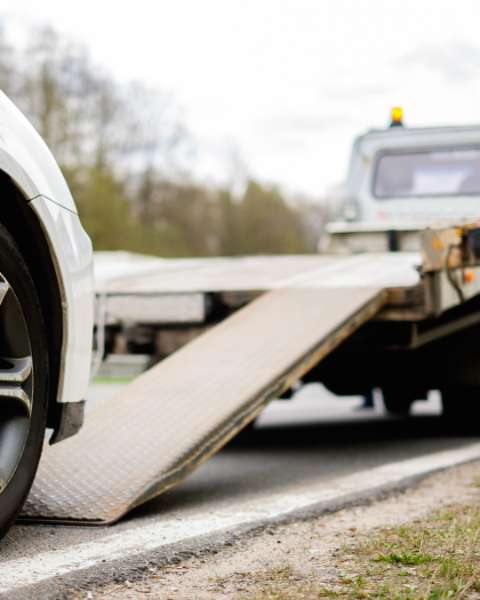
Not all tow trucks are designed for every type of vehicle. Using the incorrect equipment can cause severe structural or mechanical damage, especially to the drivetrain. The two most common types of tow trucks are wheel-lift trucks and flatbed (tilt-tray) trucks.
If you drive an all-wheel-drive (AWD) vehicle, a four-wheel-drive (4WD) truck, a lowered sports car, or an SUV, a flatbed tow truck is generally required. Flatbeds carry the entire vehicle off the pavement, protecting your transmission and suspension from wear during transit. When calling for tow truck services, clearly state your vehicle's make, model, and drive configuration so the dispatcher sends the appropriate equipment.
4. Verify Licensing, DOT Numbers, and Insurance
Legitimate towing operators in the United States must meet strict local, state, and federal guidelines. In many states, commercial towing operators are required to display a U.S. Department of Transportation (USDOT) number or local municipal permit numbers on the side of their vehicles.
When the tow truck driver arrives at your location, verify that the company name matches the service you called. Ensure the company holds active liability insurance and cargo insurance. This coverage protects you financially in the rare event that your car sustains damage while being loaded, transported, or unloaded.
Looking for a fully vetted, professional service provider? View company credentials, customer reviews, and service capabilities on the
5. Review the Tow Authorization Form Before Signing
If you require roadside recovery after a collision, the towing driver will present a tow invoice or authorization form for your signature. Treat this document as a binding legal agreement.
Never sign a blank form or one with missing price fields. Ensure the authorization clearly details the hook-up fee, per-mile rate, storage charges, and the exact destination address where your car will be delivered. Leaving the destination field blank could result in your vehicle being taken to an unauthorized impound or holding yard that charges daily storage fees. Always specify your preferred mechanic, dealership, or home address.
6. Document Your Vehicle's Condition On-Site
In the rush to clear the roadway, proper documentation is often overlooked. Before the driver secures your vehicle to the truck, take a few minutes to photograph your car thoroughly using your smartphone.
Capture clear photos and videos from all four angles, paying close attention to pre-existing scratches, bumper conditions, and tires. It is also helpful to take a picture of the tow truck itself, including its license plate and company branding. If any new damage occurs during transport, these timestamped images serve as vital proof when filing an insurance claim.
Discover how dedicated recovery equipment and flatbed transport keep your vehicle safe during transport by visiting our
7. Look for 24/7 Availability and Realistic ETAs
Mechanical failures and flat tires rarely happen at convenient times. Whether your vehicle breaks down during a late-night commute or on a holiday weekend, having access to around-the-clock service is essential.
Select a company that offers true 24/7 dispatching and can provide a realistic Estimated Time of Arrival (ETA). Clear communication from the dispatcher keeps you informed and safe while waiting by the roadside, giving you peace of mind throughout the recovery process.
Conclusion
Dealing with a sudden vehicle breakdown or accident is stressful, but understanding how towing services operate puts you back in control. By confirming your insurance coverage, asking for upfront pricing, insisting on the correct tow truck type, and documenting your vehicle before transport, you can avoid common pitfalls and expensive surprises. Keep a trusted towing provider saved in your phone contacts so you are always prepared for the unexpected.
Don't wait for a roadside emergency to search for help! Whether you need fast towing, flatbed vehicle transport, or emergency roadside assistance, our experienced team is ready to respond around the clock. Explore our professional tow truck services today for upfront pricing, rapid dispatch, and dependable service. Contact us now or save our number to stay protected on every drive!