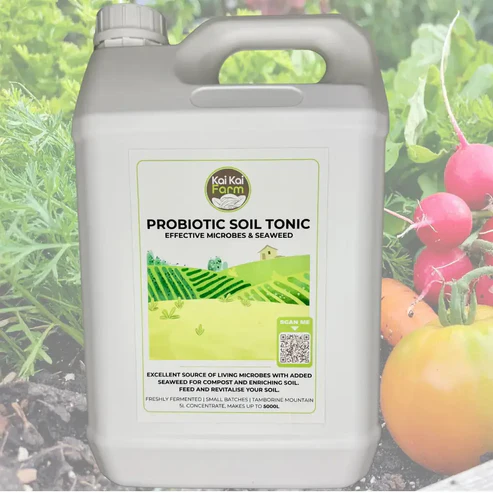
Probiotic Soil Tonic Concentrate
13.00
AUD
- 654 Main Western Rd, Scenic Rim Region, QLD 4272 - Australia
Our Probiotic Soil Tonic is a high-potency liquid concentrate, fermented on our Tamborine Mountain farm using authentic EMRO EM-1 as the microbial base, then combined with seaweed extract and organic molasses. The result is a living tonic packed with lactic acid bacteria, yeasts and phototrophic bacteria that get to work the moment they hit your soil — breaking down organic matter, unlocking bound nutrients and feeding the root zones that feed your plants.
A highly concentrated formula: a little goes a long way. Dilute, apply, and let the biology do what biology does best.
What’s inside — and why it matters
Farm-activated EMRO EM-1®
The microbial engine
We use authentic EMRO EM-1 as the foundation, then activate and expand it on our farm through a secondary fermentation process. This produces a far more biologically dense product than bottled EM-1 straight from the shelf — more organisms, more diversity, fresher cultures. The consortium of lactic acid bacteria, yeasts and phototrophic bacteria work together to regenerate soil biology from the ground up.
Seaweed extract
The growth catalyst
Seaweed is one of the most mineral-dense inputs available to a gardener — over 60 trace elements alongside natural cytokinins and auxins, the plant hormones that drive cell division, root development and stress resistance. These compounds are most effective in liquid form where they can be rapidly taken up through roots and foliage. The seaweed complements the EM organisms: one feeds the soil biology, the other speaks directly to the plant.
Organic molasses
The microbial food source
Molasses is a carbon-rich food source that sustains the EM-1 organisms through fermentation and keeps them active in the bottle. When applied to soil, it also acts as a quick energy source for the broader soil microbiome — triggering a cascade of microbial activity that goes well beyond the organisms in the bottle itself.
Rainwater base
The clean carrier
We use rainwater collected on our farm as the base for fermentation — chlorine-free, soft and naturally slightly acidic, which is exactly what EM cultures need to thrive. Chlorinated tap water actively damages beneficial microbes. Using rainwater means the organisms arrive at your garden in their best possible condition. See application tips for how to handle tap water at home.
A highly concentrated formula: a little goes a long way. Dilute, apply, and let the biology do what biology does best.
What’s inside — and why it matters
Farm-activated EMRO EM-1®
The microbial engine
We use authentic EMRO EM-1 as the foundation, then activate and expand it on our farm through a secondary fermentation process. This produces a far more biologically dense product than bottled EM-1 straight from the shelf — more organisms, more diversity, fresher cultures. The consortium of lactic acid bacteria, yeasts and phototrophic bacteria work together to regenerate soil biology from the ground up.
Seaweed extract
The growth catalyst
Seaweed is one of the most mineral-dense inputs available to a gardener — over 60 trace elements alongside natural cytokinins and auxins, the plant hormones that drive cell division, root development and stress resistance. These compounds are most effective in liquid form where they can be rapidly taken up through roots and foliage. The seaweed complements the EM organisms: one feeds the soil biology, the other speaks directly to the plant.
Organic molasses
The microbial food source
Molasses is a carbon-rich food source that sustains the EM-1 organisms through fermentation and keeps them active in the bottle. When applied to soil, it also acts as a quick energy source for the broader soil microbiome — triggering a cascade of microbial activity that goes well beyond the organisms in the bottle itself.
Rainwater base
The clean carrier
We use rainwater collected on our farm as the base for fermentation — chlorine-free, soft and naturally slightly acidic, which is exactly what EM cultures need to thrive. Chlorinated tap water actively damages beneficial microbes. Using rainwater means the organisms arrive at your garden in their best possible condition. See application tips for how to handle tap water at home.
Related Products
Lactic Acid Bacteria (LAB) Serum
14.00
AUD
The "Worker Bee" of the microbial world. Our Lactic Acid Bacteria (LAB) Serum is a professional-grade, high-concentration microbial inoculant designed to dominate the soil microbiome.
Kai Kai Farm | Tamborine Mountain, QLD 4272
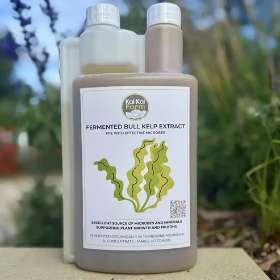
Fermented Organic Seaweed Extract
24.00
AUD
Fermented Organic Seaweed Extract – Australian Bull Kelp & Microbial Inoculant
Kai Kai Farm | ,

Fermented Organic Pumpkin Extract
25.00
AUD
Volcanic Fermented Pumpkin Extract with EM-1 Probiotics | Flowering & Fruiting Tonic
Kai Kai Farm | Tamborine Mountain, QLD 4272
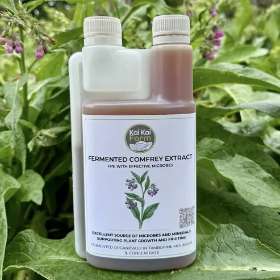
Fermented Organic Comfrey Extract
25.00
AUD
Fermented Organic Comfrey Extract (FPE) – Farm-Direct High-Potassium Bio-Stimulant
Kai Kai Farm | Tamborine Mountain, QLD 4272