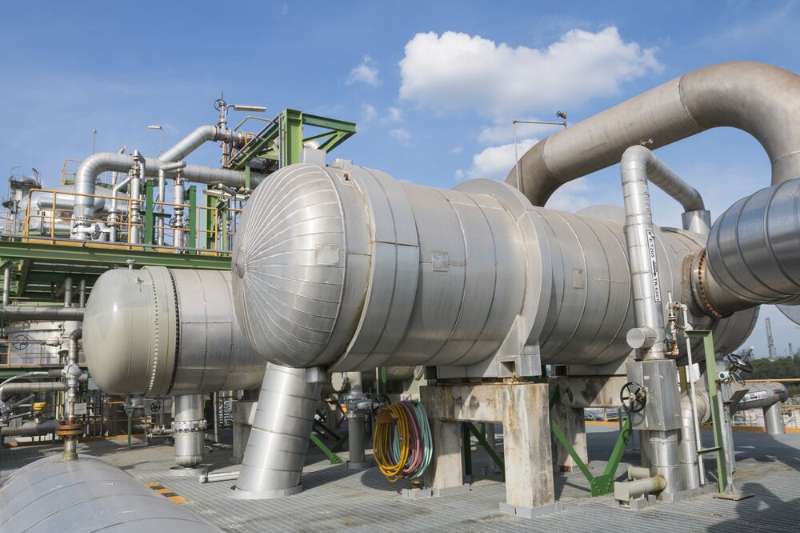
Pressure vessel inspections are a really important process, especially if you’re in the business of transporting or storing anything under pressure. Inadequate inspection of pressure vessels can result in a faulty product suddenly exploding, resulting in severe injuries or even fatalities. A faulty system can result in the gear being out of operation for lengthy periods, resulting in serious disruption to the operation of the facility. Furthermore, the equipment being used today is highly hazardous.
It is crucial to be aware of the risks involved with working with pressure vessels, especially those containing toxic chemicals and pressurized fluids. Because the pressures are so intense, the fluids within the vessel undergo a phase change. A stream of cryonically processed liquid nitrogen can be used to manage a refrigeration mechanism scaled to become a condensate cycle. This is a refrigeration mechanism scaled down to manage a stream of cryonically processed liquid nitrogen.
Keeping businesses like yours safe is an important part of the industry, and pressure vessel inspections are an essential part of that. Here’s why:
Why Do Pressure Vessels Need To Be Inspected?
Even if pressure vessels are built to meet required standards, they will deteriorate and/or corrode over time because they operate under mechanical stress. Compromised pressure vessels can be potentially dangerous, even life-threatening if they fail.
Many unfortunate people have been injured or killed as a result of pressure vessel failure.
Businesses using pressure vessels must protect their employees, as well as ensure that any pressure vessels in their facilities are properly registered and regularly inspected.
Businesses and individuals involved are subject to substantial fines and, in some cases, imprisonment if they fail to meet WorkSafe SA requirements.
Things You Must Know About Pressure Vessel Inspection
Because pressure vessels operate in difficult industrial environments, inspecting them is a difficult task. Weak spots, if ignored, may affect the performance of the pressure vessel. Inspection of these factors, therefore, must take into account the following:
Types Of Pressure Vessel Inspections
Hydrostatic Inspections
This approach is one of the most critical for testing boilers, fuel tanks, and pipes for leaks and strength.
Pneumatic Inspections
Pneumatic inspections are only advised when pressure vessels cannot be filled with water or when traces of a testing media are not indicated or permitted. Because these checks need a high level of potential energy, they are only performed when necessary.
Leak Inspections
Leak inspections are performed on vacuum and pressure vessels to check the maximum allowed leak mentioned in the document.
Mechanical Integrity Inspections
These examinations are performed to check for vacuum pressure vessel instability or buckling.
Hire a Qualified Pressure Vessel Inspector
Origin Endeavours provides pressure vessel inspections as part of its in-service inspection services. We offer a complete range of statutory audits, commissioning, and in-service inspection of your pressure equipment.
Get In Touch!