When it comes to horse care, one question that often arises is: Do I need to rug my horse? The answer isn't straightforward, as it depends on various factors, including your horse's health, the climate, and their living conditions. Let's delve into the intricacies of horse rugging to help you make an informed decision.
Understanding Your Horse's Natural Thermoregulation
Horses are remarkable creatures with the innate ability to regulate their body temperature, a process known as thermoregulation. This natural mechanism allows them to adapt to varying environmental conditions.
The Horse's Thermoneutral Zone
The thermoneutral zone is the range of ambient temperatures where a horse can maintain its core body temperature without expending extra energy. For most horses, this zone lies between 5°C and 25°C. Within this range, horses can efficiently manage their body heat through natural means, such as adjusting blood flow and altering their coat's insulation properties.
Factors Affecting a Horse's Ability to Regulate Temperature
Several factors influence how effectively a horse can regulate its temperature:
Breed and Coat Type: Breeds with thicker coats, like native ponies, are better insulated against cold, while those with finer coats, such as Thoroughbreds, may be more susceptible to temperature fluctuations.
Age and Health: Older horses or those with health issues might have compromised thermoregulatory abilities, making them more vulnerable to extreme temperatures.
Body Condition: Underweight horses may lack the necessary fat reserves for insulation, whereas overweight horses might overheat more easily.
When to Consider Rugging Your Horse
Deciding whether to rug your horse requires careful consideration of various elements.
Assessing Weather Conditions
Weather plays a pivotal role in determining the need for a rug. In cold, wet, and windy conditions, a well-fitted rug can help maintain your horse's body heat. However, in milder climates, especially where temperatures rarely drop below 10°C, horses often cope well without additional covering.
Evaluating Your Horse's Health and Condition
Consider your horse's overall health. Horses with compromised immune systems, those recovering from illness, or senior horses may benefit from the extra warmth a rug provides. Conversely, healthy, unclipped horses with adequate shelter and forage might not require rugging.
Activity Levels and Their Impact
Active horses generate more body heat through movement. If your horse is regularly exercised or has ample space to move around, they may not need a rug even in cooler weather. However, sedentary horses or those confined to stalls might require additional warmth.
Types of Horse Rugs and Their Uses
Understanding the different types of horse rugs can help you choose the most appropriate one for your horse's needs.
Summer Horse Rugs
Designed to protect horses from flies and UV rays, summer rugs are lightweight and breathable. They prevent coat bleaching and offer a barrier against insects without causing overheating. For instance, the Hydra Hybrid Rug by Bow Horse combines a strong 250 gsm cotton-feel technical polyester fabric with mesh panels for extra airflow, providing protection against UV, flies, dirt, and dust.
Winter Horse Rugs
These rugs provide insulation during colder months. They come in varying weights:
Lightweight: Suitable for cool, not cold, conditions.
Mediumweight: Ideal for moderately cold weather.
Heavyweight: Best for very cold conditions or for horses that are clipped or have thinner coats.
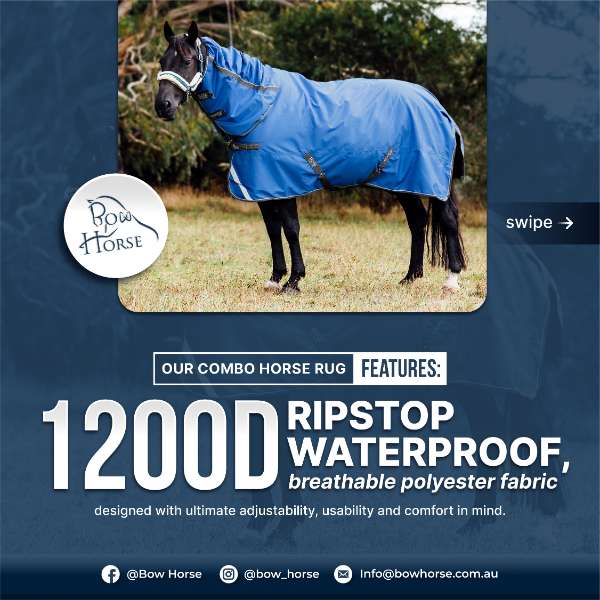
The Atlas Horse Rug with Detachable Neck from Bow Horse features a 1200D ripstop waterproof, breathable polyester fabric with an anti-rub lining and adjustable chest straps, ensuring comfort and protection during winter.
Turnout Rugs
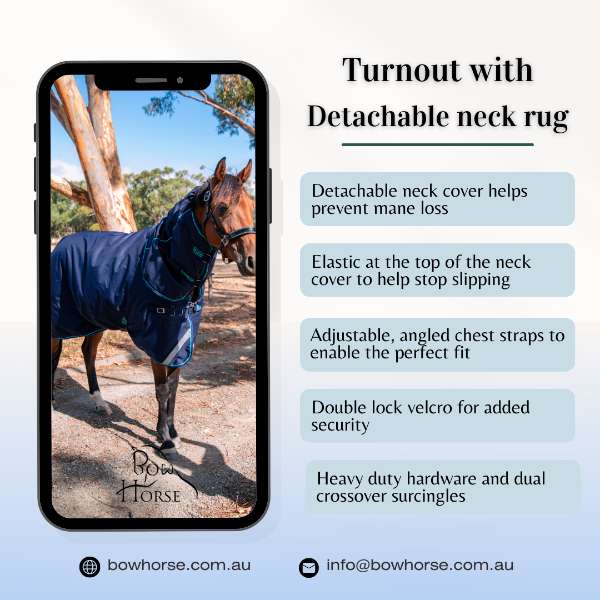
Turnout rugs are waterproof and durable, designed for horses that spend time outdoors. They protect against rain and wind while allowing freedom of movement. Some turnout rugs also offer insulation, making them suitable for various weather conditions. Bow Horse's Omik™ Turnout Blanket with Detachable Neck combines 1200D ripstop waterproof, breathable polyester fabric with an anti-rub lining and adjustable chest straps, providing ultimate adjustability, usability, and comfort.
Potential Risks of Over-Rugging
While rugging can offer benefits, over-rugging poses several risks.
Overheating and Sweating
Excessive rugging can lead to overheating, especially in milder weather. Overheating causes sweating, which, if trapped under the rug, can create a damp environment conducive to skin problems.
Skin Issues and Irritations
A damp, warm environment under the rug can lead to skin irritations, fungal infections, and pressure sores. Regularly checking your horse's skin and ensuring the rug is clean and dry can mitigate these risks.
Impact on Natural Weight Regulation
Horses naturally lose weight during colder months as they expend energy to stay warm. Over-rugging can prevent this natural weight loss, potentially leading to weight gain and associated health issues.
Best Practices for Rugging Your Horse
To ensure your horse's comfort and health, follow these best practices.
Regular Monitoring and Adjustment
Regularly assess your horse's condition and the weather. Adjust rugging accordingly, adding or removing rugs as temperatures change. Remember, it's easier for a horse to warm up than to cool down.
Ensuring Proper Fit and Maintenance
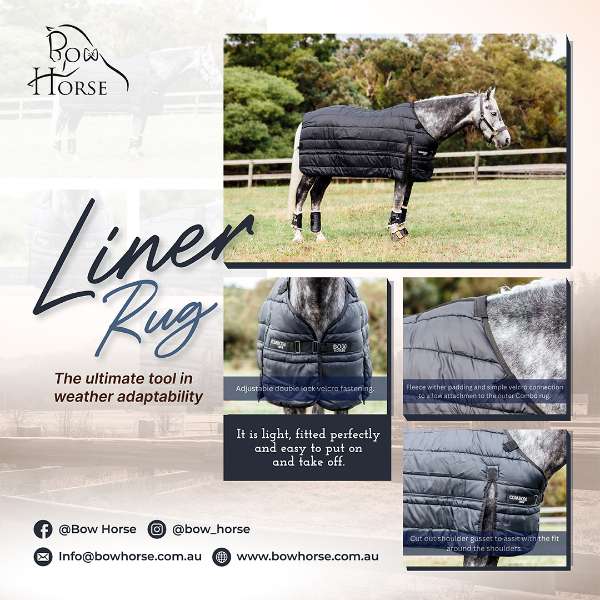
A well-fitting rug prevents rubbing and discomfort. Ensure the rug’s straps are properly adjusted to avoid slipping or constriction, which could lead to injuries. Regularly inspect the rug for signs of wear and tear. Bow Horse offers rugs like the Atlas Horse Rug with adjustable chest straps and anti-rub linings, ensuring a secure and comfortable fit for your horse.
Maintaining the cleanliness of your horse’s rug is equally important. Dirty rugs can cause skin irritations or infections, so wash them periodically following the manufacturer’s guidelines. Investing in durable, easy-to-clean rugs, like those from Bow Horse, can save you time and effort.
Providing Access to Shelter and Forage
Even with the best rugs, horses need shelter to protect them from extreme weather conditions. A combination of a well-fitted rug and a sturdy shelter ensures your horse stays warm and dry during rain or snow. Additionally, constant access to forage, such as hay, helps horses generate body heat naturally, reducing their dependency on rugs.
Conclusion
The decision to rug your horse is a balance between understanding their natural abilities, assessing environmental factors, and providing appropriate care. By considering weather conditions, your horse's health, and the variety of rugs available, you can make informed choices that prioritise their comfort and well-being.
If you’re looking for reliable, high-quality rugs, Bow Horse offers a range of summer rugs, winter rugs, and turnout rugs designed with expertise and backed by years of equestrian experience. Their commitment to providing functional and durable equine products makes them a trusted choice for horse owners.
Contact Us
PO Box 69
Belair, SA 5052
Australia
Frequently Asked Questions (FAQs)
1. How can I tell if my horse is comfortable in its rug?
Check your horse regularly for signs of discomfort, such as excessive sweating, restless behaviour, or signs of rubbing. Feel under the rug to ensure your horse’s skin is dry and warm but not hot.
2. Should I rug my horse in the summer?
Summer rugs, like the Hydra Hybrid Rug from Bow Horse, can be useful for protecting against flies, UV rays, and dust. However, ensure the rug is breathable and lightweight to prevent overheating.
3. How do I choose the right weight for a winter rug?
Consider your local climate, your horse’s coat thickness, and their living conditions. A clipped horse in a colder area may require a heavyweight rug, while an unclipped horse with shelter might only need a lightweight or mediumweight rug.
4. Are turnout rugs waterproof?
Yes, most turnout rugs, like the Omik™ Turnout Blanket, are designed to be waterproof and breathable. They protect your horse from rain while allowing airflow to prevent sweating.
5. How often should I replace my horse's rug?
The lifespan of a rug depends on its quality and how well it’s maintained. High-quality rugs from Bow Horse, made with durable materials, can last several years if cared for properly. Replace rugs when they show significant wear, tears, or lose waterproofing.