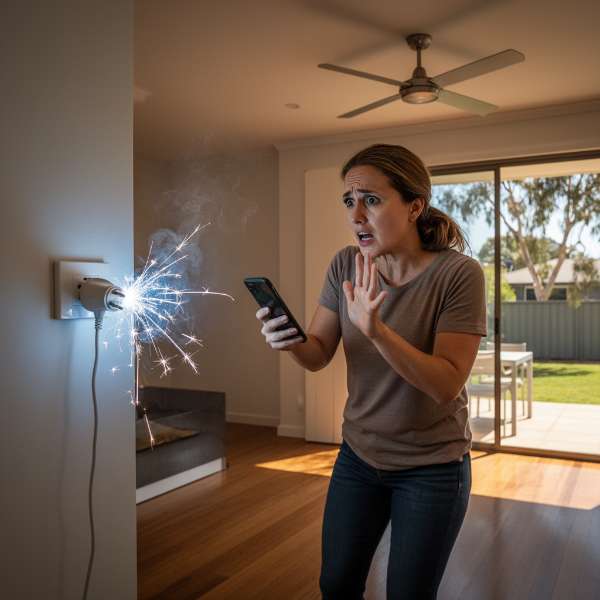
Electrical emergencies can be frightening and potentially dangerous. Whether it's a power outage, exposed wires, or sparks from an electrical outlet, knowing what to do in these situations can help protect your home and family. Understanding the basics of electrical safety and having a plan in place for handling emergencies is crucial. In this article, we’ll guide you on how to respond if you experience an electrical emergency in your home. The first and most important thing to do when you experience an electrical emergency is to stay calm. Panicking will only make it harder to think clearly and respond appropriately. Take a moment to assess the situation and determine if there is immediate danger. What to Do: Quickly evaluate the source of the emergency. Is there smoke, sparks, or a burning smell? Are there exposed wires or damaged outlets? Why It Matters: Identifying the issue early on helps you take the right steps to minimize damage and keep everyone safe. A calm response will prevent unnecessary panic and allow you to act quickly. If it’s safe, the next step is to shut off power to the affected area. This is especially important if you notice sparks, smoke, or the smell of burning. Turning off the power can help prevent fires and further electrical damage. What to Do: Locate your circuit breaker panel and turn off the power to the affected area or appliance. If you’re unable to reach the circuit breaker safely, or if you suspect a larger issue, consider turning off the main power supply to your home. Why It Matters: Cutting off power can stop the electrical flow, preventing fires and further electrical hazards. It’s a crucial step in ensuring safety until professional help arrives. If you detect a fire, smoke, or significant electrical hazard, evacuating the area is the best course of action. Electrical fires can spread quickly and are difficult to contain without the proper equipment. Always prioritize the safety of your family. What to Do: Evacuate everyone from the home and call emergency services. Do not attempt to fight an electrical fire unless you have the proper equipment, such as a class C fire extinguisher. Why It Matters: Electrical fires can escalate rapidly, so it's essential to exit the area immediately and call the fire department for assistance. Evacuating ensures your family’s safety and allows professionals to handle the situation. If you have an electrical fire in your home, never attempt to put it out with water. Water conducts electricity, which can worsen the situation and result in electrical shocks. What to Do: If you have a fire extinguisher, use one rated for electrical fires (class C). If you don’t have a fire extinguisher, evacuate the area and call emergency services immediately. Why It Matters: Using water on electrical fires is extremely dangerous and can result in injury or further damage. Properly using a fire extinguisher designed for electrical fires is the safest way to deal with the situation.1. Stay Calm and Assess the Situation
2. Shut Off Power if Safe to Do So
3. Evacuate if There is Immediate Danger
4. Do Not Use Water to Extinguish Electrical Fires
5. Avoid Touching Exposed Wires or Electrical Components
Exposed wires, damaged outlets, or other electrical components can pose a serious danger. Avoid touching these wires or attempting to repair the damage yourself. Electrical shock can occur if you make contact with live wires, leading to serious injuries.
What to Do: If you find exposed wires or damaged electrical components, keep a safe distance and avoid touching them. If necessary, turn off the power supply and wait for a licensed electrician to assess the situation.
Why It Matters: Coming into contact with exposed wires or damaged electrical components can lead to life-threatening electrical shocks. Stay safe and allow professionals to handle the repairs.
6. Call a Licensed Electrician
Once you’ve ensured the immediate safety of your home and family, the next step is to contact a licensed electrician. Electrical emergencies often require professional expertise, and attempting DIY repairs can make the situation worse.
What to Do: Contact a licensed electrician who can safely diagnose and repair any electrical issues. Be sure to explain the situation in detail, including the source of the problem and any steps you’ve already taken.
Why It Matters: Electricians are trained to handle electrical issues safely and efficiently. Professional repairs will ensure that the problem is fixed properly and prevent future emergencies from occurring.
7. Document the Damage
If there’s any damage to appliances, wiring, or other electrical components, it’s important to document it for insurance purposes. Taking photos or videos of the damage will help with the claims process and ensure you have a record of the incident.
What to Do: Take clear photos or videos of any visible damage before it’s repaired. Make notes about the situation and when it occurred.
Why It Matters: Documenting the damage ensures you have a record for insurance claims and potential warranty issues with appliances or equipment that were affected by the electrical emergency.
Conclusion
Electrical emergencies can be dangerous, but with the right knowledge and quick action, you can protect yourself, your family, and your home. By staying calm, shutting off the power when safe, evacuating if necessary, and calling a professional, you can minimize the risks associated with electrical emergencies. Regularly inspecting your electrical system and keeping emergency procedures in mind will ensure that you're prepared in case of a crisis.
If you're facing an electrical emergency or need professional help to prevent future issues, DirectPoint Electrical is here to assist. Our licensed electricians are ready to provide expert services and ensure the safety of your home.