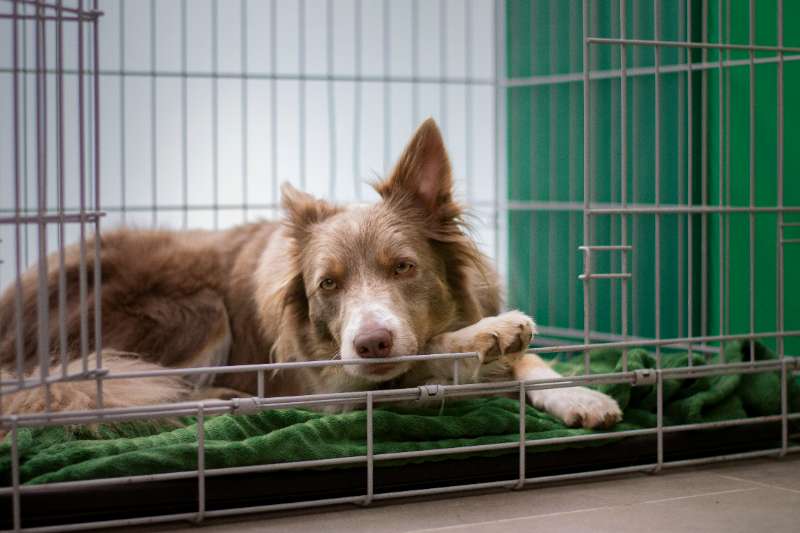
Choosing a crate for a bigger dog isn’t just a matter of scaling up what works for smaller breeds. Larger dogs have different physical needs, different ways of resting, and often a stronger presence in the home. A crate that’s too small, poorly designed, or not suited to your dog’s habits can quickly become uncomfortable rather than calming.
For many owners, a crate is meant to be a place where their dog can switch off and feel secure. When chosen well, it becomes part of daily life rather than something used only when necessary. That’s why taking the time to think through the right fit and features matters, especially when you’re dealing with a larger, heavier dog.
Why size matters more than most owners expect
Size is one of the most common areas where crate choices fall short for bigger dogs. Large breeds need enough room to stand without ducking, turn around comfortably, and lie down in their natural resting position. This doesn’t mean choosing the biggest crate available, but it does mean avoiding anything that forces your dog to curl up or crouch unnaturally.
When a crate is too small, it can lead to stiffness, poor posture, and reluctance to use the space at all. Over time, this can create negative associations with the crate. A well-sized crate supports your dog’s body properly and helps them see it as a place to rest rather than a restriction.
Understanding how your dog actually rests
Not all big dogs rest the same way. Some like to sprawl out, stretching their legs and taking up as much space as possible. Others curl into tighter positions or lean against the sides of the crate for comfort. Paying attention to how your dog naturally settles can guide your choice.
A large dog crate that works for a calm, laid-back dog may not suit one that shifts positions often or prefers more visibility. The goal is to choose a crate that complements your dog’s natural habits instead of trying to force them to adapt to the crate.
Strength and build quality for larger breeds
Bigger dogs place more physical stress on a crate, simply due to their weight and strength. Lightweight materials or flimsy construction that might be fine for smaller dogs can bend, rattle, or wear out quickly when used by a large breed.
Stability matters just as much as durability. A crate that shifts or makes noise when your dog moves can make them uneasy, especially during rest time. Solid construction helps the crate feel safe and grounded, which is particularly important for dogs that are still learning to relax in enclosed spaces.
Ventilation and airflow considerations
Large dogs tend to generate more body heat, which makes airflow an important factor. A crate with good ventilation helps regulate temperature and prevents the space from feeling stuffy, especially in warmer Australian conditions.
Visibility also plays a role here. Some dogs feel calmer when they can see what’s happening around them, while others prefer a more enclosed feel. Finding a balance between airflow and visual comfort helps create a space your dog is more likely to use willingly.
How the crate fits into everyday life
Where the crate sits in your home matters more than many people realise. For bigger dogs, moving a crate frequently isn’t always practical, so placement should be considered from the start.
A crate positioned in a low-traffic area but still close enough to family activity often works well. This allows your dog to feel included without being overstimulated. Easy access for cleaning and bedding changes is also important, particularly with larger crates that take up more space.
Door style and ease of access
For bigger dogs, ease of entry and exit can make a noticeable difference. Doors that open wide reduce awkward manoeuvring and help prevent knocks or hesitation, especially for older dogs or those with joint issues.
The direction the door opens and how smoothly it operates also affect daily use. A crate should feel effortless to use, not something that adds friction to routines like bedtime or rest breaks.
Comfort features that support rest
Comfort inside the crate goes beyond size alone. Flooring that supports bedding properly and doesn’t flex under weight helps larger dogs settle more comfortably. Adequate headroom and interior space reduce the feeling of confinement.
These details don’t need to be complicated, but they do contribute to whether your dog views the crate as a positive space or avoids it.
Balancing function with home design
Many owners want a crate that fits into their home visually as well as practically. This is especially true with larger crates that are harder to tuck away.
Modern designs now make it easier to find options that don’t feel purely utilitarian. Choosing a crate that suits your space can make it feel like a natural part of the home rather than an eyesore that’s constantly in the way.
Choosing something that works long term
A crate for a bigger dog is often a long-term investment. Choosing something that will continue to suit your dog as they age, settle, or change habits can save you from needing to upgrade later.
Browsing options such as a large dog crate from collections like those available at Modern Pet can help give a sense of what’s available in terms of size, materials, and design, without rushing into a decision.
Making the crate a positive space
Ultimately, the right crate supports rest, security, and routine. When a crate suits your dog’s size, behaviour, and environment, it becomes a place they choose rather than avoid.
Taking the time to consider these factors helps ensure the crate works for both you and your dog. For bigger breeds especially, thoughtful choices make a noticeable difference to comfort, wellbeing, and everyday life.