You want your child to be active, happy, and confident, and sport can feel like a natural way to support all three. But when it comes time to choose a program, things get complicated. It’s not just about what your child likes, but what kind of environment they’ll be walking into. Will the coaching suit their age and stage? Will they feel included? Will they want to come back next week?
It’s easy to focus on the practicals such as time slots, location, cost. But many parents don’t realise how much the structure of a program affects their child’s experience. That difference between thriving and dreading each session often comes down to the small details no one mentions during sign-up. If you’ve ever felt unsure about whether a program is the right fit, or you’ve watched your child lose interest too soon, you’re not alone.
Skill Development Isn’t Always Age-Appropriate
At first glance, most kids’ sports programs look similar. Fun branding, lots of movement, happy faces in the promo video. But what’s often missed is how the actual coaching content matches your child’s developmental stage. Just because a program accepts five-year-olds doesn’t mean it’s designed for five-year-old brains and bodies.
Some sports sessions introduce drills and rules that are better suited to older kids, assuming that younger players will catch up if they keep attending. But if your child is still building coordination or doesn’t yet have the attention span for structured play, those sessions can quickly feel confusing or stressful. That frustration builds quietly, and it can show up later as resistance or drop-off, even if the program looked like a great fit at the start.
You don’t need to be a coach to spot the signs. If you’re watching a session and noticing lots of standing around, rushed transitions, or complicated instructions, it’s worth asking who the program is actually designed for. A well-matched program will help your child feel capable, not constantly behind.
Coaches May Not Be Trained Educators
Most coaches genuinely care about kids and love the sport they’re teaching. But there’s a big difference between playing well and knowing how to guide others, especially when it comes to young children. This is one of the most overlooked areas when parents evaluate sports programs.
A good kids’ coach doesn’t just give directions. They know how to read the room, adjust their approach on the fly, and make space for different learning styles. They can settle a nervous child, manage a dominant one, and keep the group moving even when energy dips. These aren’t things you’ll see listed on a flyer or website, but they shape your child’s experience in every session.
If your child tends to be shy, sensitive, or new to team environments, this becomes even more important. A coach without a teaching background may not know how to help a child settle in or recover from a tough moment. Qualifications are one thing but experience is just as important;. Has the coach worked with this age group before? Do they seem confident handling emotions, not just drills?
Not All Social Environments Are Equal
When kids talk about what they liked at sport, it’s rarely just the activity itself — it’s who was there, who they talked to, and whether they felt included. The social side of sport is often what keeps kids coming back. But it’s also where many programs fall short, especially if the focus is mainly on skills or performance.
Some children walk into a new group and immediately connect with others. For others, especially those who are quieter or slower to warm up, it takes time. If the coach or program doesn’t actively build a sense of team culture, those kids can quickly feel like outsiders. That feeling grows when there’s no clear guidance around behaviour, or when louder kids dominate the space without correction.
Parents often assume that any team-based activity will naturally encourage friendships. But without structure, the opposite can happen. Cliques can form, kids get sidelined, and small tensions build. If your child has had a bad experience socially in the past, this is something to look at closely. A well-run program sets expectations around inclusion, respect, and support from day one, not just after issues arise.
Watching how the coach speaks to the group and how kids interact when they’re not playing can tell you a lot. If your child comes home talking more about who ignored them than what they learned, the social environment may be part of the problem.
A Short Trial Isn’t Always Enough
Trial sessions are great in theory. They let you test the waters, meet the coach, and give your child a feel for the game. But one trial doesn’t always reflect the week-to-week reality of a program. It’s a just a snapshot and it can leave out a lot.
Coaches tend to put their best foot forward during trials. The group might be smaller, the activity more relaxed, and the pressure low. But once the full term starts, new dynamics emerge. There are more kids, less one-on-one time, and the coach shifts focus to longer-term outcomes. For some children, this shift can be jarring — especially if their expectations were shaped by a very different first experience.
It’s worth thinking about what a single session can and can’t tell you. Did your child feel welcomed? Were the instructions clear? Did they smile and want to keep playing? These are good signs, but they’re not the whole story. If possible, speak with other parents who’ve seen the program unfold over several weeks. Ask what’s changed over time, how the coach handles ups and downs, and whether the group still feels connected by the end of term.
The small things — like how a shy child was supported after missing a pass or how a dominant player was redirected — often don’t show up in a trial. But they make a big difference once you’ve paid for a full term and your child is showing up every week.
Competitive Focus Can Disrupt the Fun
Some programs talk a lot about fun, but once you're a few weeks in, it becomes clear the focus is all about performance. Leaderboards, drills aimed at competition, and talk of try-outs or tournaments can feel like a lot — especially for kids who just want to play. While a competitive environment can be motivating for some, for others it strips the joy out of the game.
This is where it’s important to understand the real aim of the program. Is it about building future athletes, or giving all kids a safe space to be active and social? Neither aim is wrong, but they serve different families. If your child is still figuring out what they like, or if they’re trying sport for the first time, being surrounded by kids already training seriously can be discouraging.
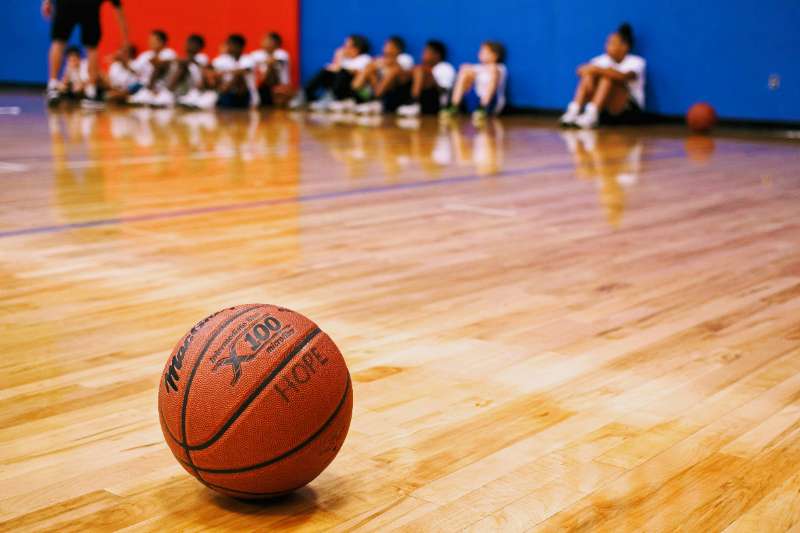
You might not realise a program leans competitive until you're halfway through. Parents booking into a basketball holiday camp, for example, often expect fun-based sessions. But many are structured to identify advanced players or prep for rep team selection — not to introduce the basics. Without clear upfront communication, kids who just want to shoot hoops can end up feeling out of place and overwhelmed.
Parents Sometimes Choose Based on Convenience
It’s completely reasonable to factor in your schedule when picking a program. Work hours, other kids’ routines, and location all matter. But convenience can quietly become the deciding factor, even when a program doesn’t feel like the right fit. The risk is that a child ends up in a sport or group that ticks the adult boxes but doesn’t meet their own needs.
This shows up more often than people admit. A class is across the road from school, so you sign up. A friend’s kid is going, so it feels like a safe bet. But by week three, your child’s enthusiasm has dropped and you’re not sure why. If the coaching isn’t suited to their level, or the group dynamics are off, the convenience wears thin quickly.
You don’t have to find a perfect program, and you don’t need to drive an hour across town every week. But it helps to check in with your child’s experience. Are they looking forward to it? Do they talk about what they enjoyed? Do they seem more relaxed or more anxious after each session? These cues are easy to miss when life is busy, but they’ll often tell you more than the program brochure.
Children’s Preferences Shift Fast
Your child might be full of excitement before the first session, only to change their mind by week two. Or they might seem unsure at first but gradually warm into it. These shifts aren’t signs of flakiness — they’re part of how kids figure out what they like, what feels safe, and what helps them grow.
It can be frustrating when you’ve paid for a term and your child wants to quit. But forcing them to stick with something that clearly isn’t working often does more harm than good. They’re not learning perseverance — they’re learning that their feelings don’t count. On the flip side, some kids need time to settle, especially in new environments. A little hesitation at the start isn’t always a red flag.
This is where flexibility matters. Keep talking with your child about how they’re finding the sessions. Try to notice patterns, not just isolated moments. If they’re consistently upset or withdrawn, it might be the program, not the sport itself. Giving them permission to change their mind — or try again somewhere new — can help keep their connection to physical activity strong, even if one program wasn’t the right fit.