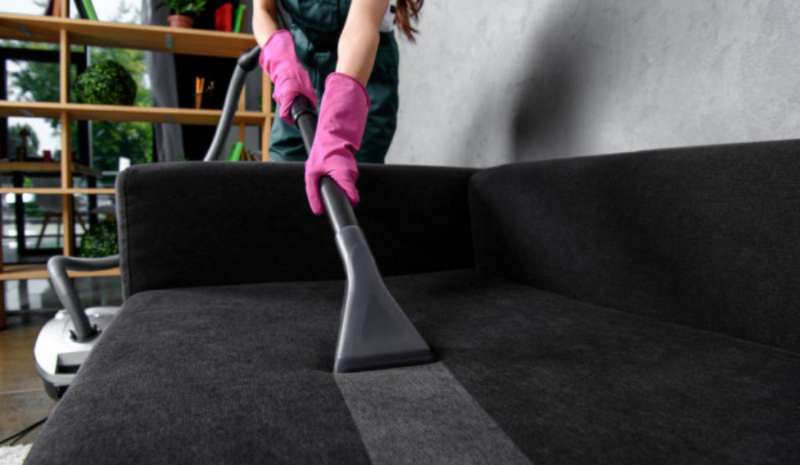
Upholstered furniture is a staple in most homes, offering comfort and style to our living spaces. But as much as we love our couches and chairs, they can easily get dirty due to spills, dust, and everyday use. Over time, the fabric can look worn out or even become a breeding ground for allergens. So, how do you clean upholstery fabric effectively to restore its freshness? Let's dive into the best methods to clean upholstery fabric without damaging it, ensuring your furniture looks as good as new.
Why Upholstery Fabric Needs Regular Cleaning
When it comes to maintaining upholstered furniture, regular cleaning is essential. Think about all the things that come into contact with your sofa or armchair — dust, dirt, food crumbs, pet dander, and even sweat. These particles not only make your upholstery look dirty but can also affect the air quality in your home. Additionally, spills from drinks or food can lead to stains, which if left untreated, may become permanent.
Regular cleaning helps preserve the fabric, enhances its lifespan, and ensures that allergens and bacteria are kept at bay. Upholstery fabric that's cleaned properly not only looks better but also feels fresher and more inviting. So, it’s not just about appearance; it’s about health and comfort too.
Understanding the Types of Upholstery Fabrics
Before you start cleaning, it's crucial to know what type of fabric your upholstery is made of. Different fabrics have different cleaning requirements. Some materials, like leather and velvet, need special care, while others, like cotton or polyester, are more forgiving.
Leather: While stylish and durable, leather can be sensitive to harsh cleaning solutions and needs specific leather cleaners.
Cotton: This is one of the most common upholstery fabrics. It’s washable, but cotton is also prone to shrinking, so care must be taken.
Polyester and Microfiber: Synthetic fabrics are more resilient to stains but may require specific cleaning agents to avoid damage.
Velvet and Silk: These luxurious fabrics often require professional cleaning or specific tools due to their delicate nature.
Understanding the material helps you choose the right cleaning method and prevents any accidental damage.
Essential Tools and Supplies for Upholstery Cleaning
To clean your upholstery effectively, you’ll need a few essential tools. Here’s a basic list of supplies that will make your cleaning process easier:
Vacuum Cleaner: A handheld vacuum with a soft brush attachment is ideal for removing dust and dirt.
Lint Roller: This is great for removing pet hair or small debris from fabric.
Cleaning Cloths or Sponges: Soft cloths prevent damage when blotting stains.
Cleaning Solutions: Depending on your fabric type, you may need a commercial upholstery cleaner or a homemade cleaning solution.
Baking Soda: This is a great natural deodoriser for fabric, especially for pet odours.
Brush with Soft Bristles: Useful for deep cleaning and maintaining fabric texture.
These basic tools will help you keep your upholstery in tip-top shape.
Common Cleaning Solutions for Upholstery
When it comes to cleaning upholstery fabric, the solution you use is as important as the method. Here are a few cleaning options that work well for most fabric types:
Vinegar and Water: A mixture of white vinegar and water (usually in a 1:2 ratio) is a great natural cleaner. It works wonders for light stains and odour removal.
Dish Soap and Water: For everyday cleaning, a solution of mild dish soap and water can lift dirt and grime without damaging the fabric.
Commercial Upholstery Cleaner: If you're dealing with tougher stains or fabric types like velvet or silk, a store-bought upholstery cleaner may be required. Ensure that it’s suitable for your fabric type to avoid any mishaps.
Homemade Cleaning Solutions vs. Store-Bought Products
When it comes to cleaning your upholstery, you may be wondering whether to go for a homemade solution or buy a commercial cleaner. Both options have their pros and cons.
Homemade Solutions: These are usually cheaper and made from ingredients you already have at home. They’re more environmentally friendly and can be just as effective, but they may not work as well on heavy stains or delicate fabrics.
Store-Bought Products: These are often specially formulated to clean upholstery fabric more efficiently and can handle a wider range of stains. However, they may contain chemicals that could damage certain fabrics or irritate sensitive skin.
Ultimately, the choice depends on your upholstery's needs and your preference for natural or chemical-based products.
Step-by-Step Guide to Clean Upholstery Fabric
Now that you know what tools and solutions to use, let’s break down the steps for cleaning upholstery fabric effectively.
Vacuuming and Dusting
Start by vacuuming the entire surface of the upholstery. Use a vacuum cleaner with a soft brush attachment to remove dust, dirt, and debris. Make sure to get into crevices and under cushions where dirt often accumulates. This step helps prevent dirt from grinding into the fabric during the cleaning process.
Spot Cleaning Stains
If your upholstery has visible stains, it’s essential to treat them before the entire surface is cleaned. For light stains, use a sponge or cloth dampened with a mild soap and water solution. Blot the stain gently, being careful not to rub it in further. For tougher stains, apply a vinegar-water solution and allow it to sit for a few minutes before blotting.
Deep Cleaning Techniques for Upholstery
For a more thorough cleaning, deep cleaning is necessary. This can be done using a steam cleaner or a rented upholstery cleaning machine. Ensure you follow the manufacturer’s instructions for your equipment, as excessive moisture can damage certain fabrics.
Alternatively, you can use a DIY cleaning method with a fabric-specific cleaning solution. Apply it to a small, inconspicuous area first to check for any adverse reactions. Once satisfied, use it on the rest of the upholstery.
How to Prevent Upholstery Fabric from Getting Dirty
Prevention is always better than cure, so here are some ways to keep your upholstery cleaner for longer:
Using Protective Covers and Throws
A simple way to protect your upholstery is by using washable protective covers or throws. These can catch spills and dirt before they stain the fabric. If you have pets, consider using pet-specific covers to avoid pet hair and scratches.
Common Mistakes to Avoid When Cleaning Upholstery Fabric
Cleaning upholstery seems straightforward, but there are a few common mistakes you should avoid to prevent damage:
Using Too Much Water: Excess moisture can cause upholstery to shrink or become discoloured.
Using Harsh Chemicals: Strong chemicals can strip the fabric of its natural texture and colour.
Rubbing Stains: Always blot stains; rubbing them can push them deeper into the fabric.
Not Testing First: Always test any cleaner or solution on a hidden spot to ensure it won’t damage the fabric.
Conclusion
Cleaning upholstery fabric doesn't have to be a daunting task. With the right tools, cleaning solutions, and techniques, you can keep your furniture looking fresh and comfortable. Regular cleaning will not only prolong the life of your upholstery but also contribute to a healthier living environment. Whether you're tackling small stains or deep cleaning, following the right steps ensures your upholstery stays in top condition for years to come.