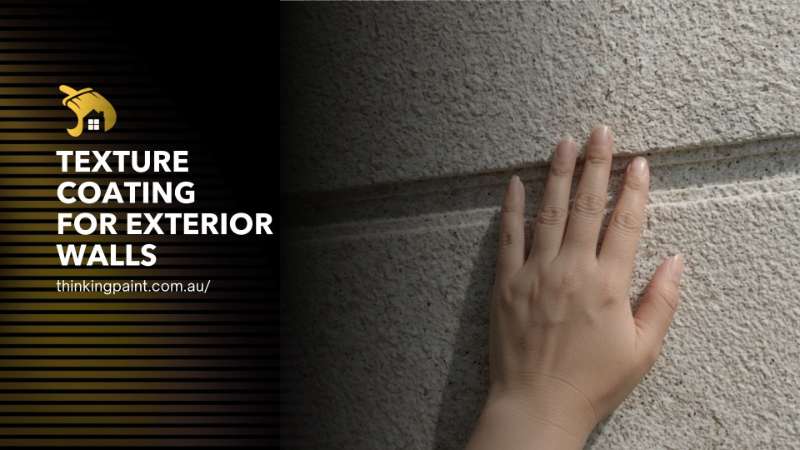
Texture coating is a thick exterior wall finish that creates a raised, textured surface while protecting the wall underneath from rain, UV, and general wear. It is not the same as standard exterior paint. It is thicker, more durable, and designed to hide minor cracks and imperfections that flat paint cannot cover.
Homeowners and tradies use texture coating to modernise tired exteriors without the cost and labour of full re-rendering. This guide explains what texture coating does, when to use it, and which product suits your exterior walls.
What does texture coating do?
Texture coating builds up a raised surface profile on the wall that standard paint cannot replicate. It fills in minor surface variation, creating a consistent finish across the entire facade.
The practical benefits:
- Hides hairline cracks, patchy render, and uneven brick without re-rendering
- Creates a weather-resistant barrier against rain, UV, and temperature cycling
- More durable than standard exterior paint because the coating film is thicker
- Reduces how often the wall needs repainting
- Available in different texture profiles depending on how it is applied (spray, roller, or trowel)
On exterior walls that have been repainted multiple times and are starting to look patchy or uneven, texture coating is often the better option over another coat of standard paint.
When should I use texture coating instead of standard exterior paint?

Use texture coating when the wall has surface issues that standard paint cannot fix. Use standard exterior paint when the wall is smooth and just needs colour and protection.
| Situation | Product to use |
|---|---|
| Sound, smooth render or brick needing colour and protection | Wall Protect |
| Hairline cracks, patchy render, or uneven brick | Texture Protect |
| Walls repainted multiple times needing a fresh start | Texture Protect |
| Previously textured walls needing a recoat | Texture Protect |
If the wall is in good condition and you only need a colour change or UV refresh, Wall Protect is the faster, simpler option. It is self-priming, applies in two coats, and carries a 7-year warranty. If the wall needs more than paint can fix, Texture Protect is the right call.
Read more about whether exterior walls need primer before repainting to decide which product suits your situation.
What surfaces can texture coating be applied to?
Texture Protect works on the most common exterior wall surfaces:
- Cement render and acrylic render
- Brick (face brick and painted brick)
- Masonry and blockwork
- Cement sheet and fibre cement board
- Previously textured surfaces needing a recoat
It is not suitable for bare metal, timber weatherboards, or surfaces with structural movement that has not been addressed. Preparation is required on all surfaces regardless of condition.
What is Texture Protect?

Texture Protect is texture coating for exterior walls. It is designed for render, brick, and masonry surfaces and creates a durable textured finish in a single product.
Key specs:
- Covers approximately 6 square metres per litre per coat
- One 15-litre drum covers approximately 90 square metres per coat
- Two coats required for a complete finish
- Applied by airless spray, roller, or trowel depending on the desired texture profile
- Available in a full range of custom colours with custom tinting
- Supplied in 15-litre drums
The texture profile varies by application method. Spray gives the most even, fine texture. Roller gives a moderate stipple. Trowel gives a heavier hand-applied finish. The product is the same regardless of method.
Use the calculator to estimate how many litres you need based on your wall area, then use the Visualiser to preview colours before ordering.
How do I prepare exterior walls before texture coating?
Preparation is what separates a texture coat that lasts from one that fails early. Most failed coating jobs fail because of poor surface prep, not because of the product.
Four steps before applying Texture Protect:
- Clean the wall. Remove dirt, dust, mould, cobwebs, and loose material. High-pressure wash where needed. Treat mould with a mould remover before washing if present.
- Repair cracks and holes. Fill hairline cracks and damaged render sections with an appropriate exterior filler. Allow to cure fully before coating.
- Prime if required. Bare or porous surfaces need a primer coat before Texture Protect. Previously coated surfaces in good condition may not need primer. If unsure, contact the Thinking Paint team before ordering.
- Allow to dry completely. Applying texture coating over a damp surface leads to adhesion failure and blistering.
For more on whether your walls need primer before coating, read do you need to prime exterior walls before repainting. For a broader look at exterior wall coatings, read are exterior wall coatings a good idea.
Can I apply texture coating myself?
Yes, DIY is possible for confident homeowners with the right tools and a single-storey, accessible wall.
Application method determines the texture profile:
- Airless spray gives the most even, consistent texture and is the fastest method for large areas
- Roller gives a moderate stipple texture and is more accessible for DIY
- Trowel gives a heavier, hand-applied finish and requires more skill to keep consistent
Two coats are required on all surfaces. Allow each coat to dry fully before applying the next.
Hire a professional applicator for multi-storey homes, large commercial facades, or when a specific texture profile needs to be matched across the whole building. Either way, the product and preparation steps are the same.
Frequently Asked Questions
Q: What is the difference between texture coating and standard exterior paint? A: Texture coating creates a thick, raised finish that hides surface imperfections and provides a more durable weather-resistant barrier. Standard exterior paint gives a smooth, flat finish and suits walls that are already in good condition. Texture coating lasts longer between recoats because the coating film is significantly thicker.
Q: What is the difference between Texture Protect and Wall Protect? A: Wall Protect is a self-priming, smooth low-sheen coating designed for render and brick walls in good condition. Texture Protect creates a textured raised finish for walls that are cracked, patchy, or uneven. They are different products for different wall conditions and are not interchangeable.
Q: Can I apply texture coating over existing paint? A: Yes, as long as the existing paint is sound and well-adhered with no peeling or flaking. Clean the surface thoroughly before applying. Any loose or flaking sections must be removed first or the new coating will not bond properly.
Q: How long does texture coating last on exterior walls? A: A properly applied texture coating on a well-prepared surface typically lasts 10 to 15 years before needing a recoat. Lifespan depends on wall condition at the time of application, preparation quality, and UV and weather exposure.
Q: How much Texture Protect do I need? A: Texture Protect covers approximately 6 square metres per litre per coat. A 15-litre drum covers approximately 90 square metres per coat. Two coats are required, so a 150 square metre wall area needs roughly 2 drums. Use the free Thinking Paint calculator to get an accurate estimate for your wall dimensions.
Q: Does Texture Protect come in different colours? A: Yes. Texture Protect is available in a full range of custom colours with custom tinting. Use the Visualiser to preview colours on your property before ordering.
Q: Can I get Texture Protect delivered? A: Yes. Thinking Paint delivers within 3 business days from Hatton Vale. Call 0447 710 365 or use the enquiry form to order.
Texture coating adds a durable, textured finish to exterior walls while hiding surface imperfections that standard paint cannot fix. Texture Protect from Thinking Paint is designed for render, brick, and masonry surfaces, covers 6 square metres per litre per coat, and is available in a full range of custom colours.
Use the calculator to estimate what you need, or call 0447 710 365 for product advice before you order.