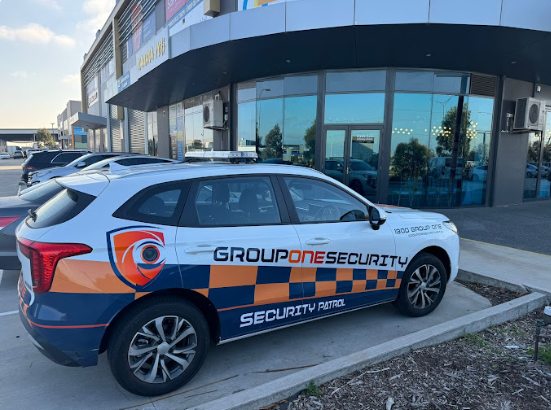
If you have ever asked, “what is mobile patrol security?”, the simple answer is this: it is a flexible security service where trained security officers patrol your property at scheduled or random times to check for risks, suspicious activity, damage, break-ins, safety hazards and unauthorised access.
Instead of placing one guard in one fixed location all night, mobile patrol security allows officers to move between sites, inspect key areas and respond when something looks wrong.
For many businesses, this is a practical way to protect a property without paying for a full-time static guard. It is commonly used for construction sites, warehouses, commercial buildings, car parks, retail centres, offices, schools, industrial yards and vacant properties.
What Is Mobile Patrol Security?
Mobile patrol security is a security patrol service carried out by licensed security officers who travel to one or more locations by patrol vehicle or on foot. They inspect the premises, check doors and windows, monitor entry points, look for signs of damage, confirm that alarms and gates are secure, and report anything unusual.
The patrol can be visible, which helps deter theft and vandalism, or it can be carried out at changing times so that potential offenders cannot predict the routine. A good mobile security patrol is not just someone driving past a building. It should include proper site checks, incident reporting, communication with the client and a clear response process if there is a problem.
What Do Mobile Security Patrols Do?
Mobile security patrols can be adapted to suit the needs of each site. For example, a warehouse may need perimeter checks and loading dock inspections, while a construction site may need fencing, machinery and material checks. An office building may need after-hours lock-up, alarm response and visitor area inspections.
Common mobile patrol duties include checking gates, doors, windows, car parks, external lighting, alarm panels, CCTV areas, fire exits, storage areas and high-risk access points. Officers may also investigate alarm activations, escort staff to vehicles, respond to reports of suspicious behaviour, complete lock-up and unlock services, and submit written or digital patrol reports.
This makes mobile patrol security useful for businesses that need active protection, but do not always need a guard standing at the front door.
Is Mobile Patrol Security Better Than Static Guards?
Mobile patrol security and static guards serve different purposes. A static guard is best when you need someone permanently present at one location, such as a gatehouse, reception desk, event entrance or high-risk facility. Mobile patrol security is better when you need wider coverage, flexible patrol times or after-hours checks across one or several properties.
For example, a business park may not need one guard at every building overnight. A mobile patrol officer can move between locations, inspect key areas and report risks quickly. This can be more cost-effective than hiring multiple guards.
However, mobile patrols do not replace every type of security. If your site has heavy foot traffic, sensitive assets, constant access control needs or a high-risk environment, a static guard may still be required. Many businesses use both: static guards during busy hours and mobile patrols after hours.
Read Also: Mobile Patrol vs. Static Guard: Choosing the Right Security for Your Melbourne Business
Who Needs Mobile Patrol Security?
Mobile patrol security is ideal for businesses and properties that are exposed after closing time, spread across a large area or vulnerable to theft, vandalism or trespassing. It is especially useful for construction sites, industrial properties, commercial buildings, logistics yards, shopping strips, apartment complexes, schools, car parks and vacant properties.
Construction sites often need patrols because tools, copper, machinery and building materials can attract theft. Warehouses and logistics facilities need checks around loading areas, roller doors and vehicle access points. Offices may need lock-up services, alarm response and after-hours patrols to make sure the building is secure.
For landlords and property managers, mobile patrol security also helps show tenants that safety is being taken seriously.
How Often Should Security Patrols Be Done?
The right patrol schedule depends on the risk level of the site. A low-risk office may only need a nightly lock-up check, while a high-risk construction site may need multiple random patrols throughout the night. Sites with previous break-ins, poor lighting, expensive equipment or isolated locations usually need more frequent checks.
Random patrols are often recommended because they make the security routine less predictable. If offenders cannot work out when a patrol will arrive, the deterrent effect is stronger. Scheduled patrols are still useful for tasks such as opening and closing a site, checking gates at a certain time or confirming that staff have left safely.
A professional security provider should assess the site before recommending patrol frequency.
What Should Be Included in a Mobile Patrol Report?
A mobile patrol report should give the business owner clear proof that the patrol was completed. It should include the time of arrival, areas checked, officer notes, photos if needed, incidents found, actions taken and recommendations for improvement.
Modern mobile patrol security may also use GPS tracking, QR codes, digital checklists and real-time reporting. This helps businesses see when a patrol took place and what the officer found. For larger sites, digital records can also help with insurance claims, compliance, maintenance planning and internal safety reviews.
Why Mobile Patrol Security Supports Brand Trust
Security is not only about stopping crime. It also affects how people feel about your business. Staff feel more comfortable when they know the car park, building and entry points are being checked. Tenants are more confident when common areas are monitored. Clients and visitors notice when a workplace feels organised and safe.
Mobile patrol security also helps businesses respond earlier. A broken gate, damaged lock, water leak, smashed window or suspicious vehicle can be reported before it becomes a bigger problem. That early action can reduce costs and protect the reputation of the business.
Read Also: Alarm Response vs Mobile Patrols: A Melbourne Business Owner's Complete Security Guide
Trust Group One Security for Your Best Security Patrol Service!
Mobile patrol security is a smart option for businesses that need visible protection, after-hours checks, alarm response and flexible site coverage. It gives your property active monitoring without requiring a full-time guard in one fixed position.
If your business needs reliable security patrol services, explore this Top4 listing for mobile patrol security or view the Group One Security Services profile to learn more about security support for commercial, industrial and after-hours sites.
For industry reference, you can also review the ASIAL Mobile Security Patrols Code of Practice.
FAQs
What is mobile patrol security?
Mobile patrol security is a service where licensed security officers inspect a property at scheduled or random times. They check access points, report incidents, respond to alarms and help deter theft, trespassing and vandalism.
Is mobile patrol security the same as alarm response?
No. Alarm response is usually triggered by an alarm activation, while mobile patrol security can include regular site checks even when no alarm has been triggered. Many businesses use both together.
Are mobile patrols done randomly?
They can be. Random patrols are useful because they make it harder for offenders to predict when security will arrive.
Does mobile patrol security replace CCTV?
No. CCTV records and monitors activity, while mobile patrol officers physically inspect the site and can respond to issues. The two work best together.
What businesses use mobile patrol security?
Common users include construction companies, warehouses, offices, retail centres, schools, car parks, strata properties, industrial sites and vacant properties.