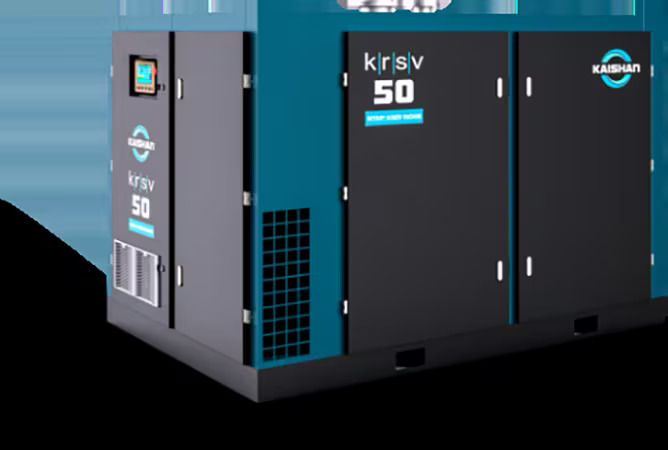
Routine maintenance for an air compressor is essential to prevent costly breakdowns, improve efficiency, and extend the machine’s lifespan. A well-maintained air compressor operates more reliably, ensuring consistent air pressure for industrial and commercial applications.
One of the key aspects of air compressor maintenance is checking and replacing critical parts at regular intervals. Over time, components such as air filters, oil filters, belts, and seals wear out, leading to performance issues and potential system failures. By following a structured air compressor maintenance checklist, you can keep your equipment in peak condition and avoid unexpected downtime.
This guide outlines the key parts checked and replaced during routine maintenance air compressor servicing, helping you understand the importance of preventive care and when to seek professional air compressor servicing.
Why Routine Maintenance on Your Air Compressor Matters
Skipping routine compressor inspection may result in inefficiency, wasted energy, and significant repair costs. Regular maintenance will keep your compressor running optimally. Here's why it's important:
Preventing Unexpected Breakdowns
Air compressors work under high pressure and operate continuously in demanding environments. Without proper maintenance, wear and tear can lead to sudden failures, disrupting your workflow and increasing operational costs.
Prolonging the Lifespan of the Equipment
Replacing air compressor parts before they fail helps extend the life of your unit. Dirty filters, worn belts, and degraded seals force the compressor to work harder, reducing its efficiency and longevity.
Ensuring Safety and Efficiency
Malfunctioning compressors pose safety hazards, such as pressure build-up or oil leaks. Routine maintenance ensures all safety valves, pressure switches, and air filters function correctly, reducing risks in the workplace.
Read also: Why is Regular Maintenance of Your Rotary Screw Compressor Necessary?
Key Parts Checked During Routine Maintenance
Several essential components need regular inspection to ensure smooth and efficient operation. Here’s what should be checked during a routine maintenance air compressor service:
1. Air Filter
The air filter prevents dust, debris, and contaminants from entering the system. A clogged filter can restrict airflow, reduce efficiency, and cause overheating. Regularly checking and replacing the air filter improves performance and protects the internal components.
2. Oil Level and Oil Filter
For oil-lubricated compressors, maintaining the correct oil level is crucial for proper lubrication. The oil filter removes contaminants from the oil, preventing damage to moving parts. Regular oil and filter changes prevent friction, overheating, and premature wear.
3. Belts and Hoses
Belts and hoses can develop cracks, wear, or loosen over time, affecting the compressor’s operation. Checking these components ensures they are tight, free of damage, and functioning correctly.
4. Safety Valves
Safety valves regulate pressure to prevent over-pressurization, which can be hazardous. Routine testing ensures that these valves release pressure correctly, preventing system failures and safety risks.
5. Air Compressor Pump
The pump is the heart of the compressor, responsible for generating air pressure. Regular inspections help detect signs of wear, overheating, or oil leaks, ensuring the pump operates efficiently.
6. Pressure Switch
The pressure switch regulates the compressor’s cut-in and cut-out pressure settings. A faulty switch can lead to incorrect pressure levels, causing overheating or excessive cycling, which reduces the unit’s efficiency.
Additional Key Parts Checked During Routine Maintenance
In addition to the above components, there are other crucial parts that require inspection during routine air compressor servicing:
7. Pressure Regulators
Pressure regulators control the air pressure output to ensure the system operates safely and efficiently. Regular checks prevent pressure inconsistencies that could damage tools and equipment.
8. Receiver Tank
The receiver tank stores compressed air, reducing strain on the compressor motor. Routine inspections check for rust, leaks, and pressure stability to ensure efficiency.
9. Cooling System
The cooling system prevents overheating, ensuring the compressor operates at a safe temperature. Cleaning cooling fins and checking airflow help maintain efficiency.
10. Moisture Traps and Auto Drains
Moisture traps and auto drains remove excess water from the compressed air system, preventing corrosion and equipment failure. Regular testing ensures proper moisture removal.
11. Electrical Connections
Loose or damaged electrical connections can cause power failures, short circuits, or overheating. Checking wiring, relays, and control panels helps prevent electrical malfunctions.
12. Air-Oil Separator
The air-oil separator removes excess oil from the compressed air, preventing contamination. A faulty separator leads to oil carryover, which can damage downstream equipment.
Parts That Are Replaced During Routine Air Compressor Maintenance
While some components need inspection, others require regular replacement to maintain the compressor’s efficiency.
1. Oil Filters and Air Filters
Filters prevent dirt and contaminants from affecting the air compressor’s performance. Replacing them at the recommended intervals prevents clogs, overheating, and reduced airflow.
2. Belts and Hoses
Over time, belts can lose tension and hoses may develop cracks or leaks. Replacing them before failure avoids costly repairs and operational downtime.
3. Seals and Gaskets
Seals and gaskets maintain air pressure and prevent leaks. Over time, these components wear out due to constant pressure and temperature fluctuations. Replacing worn seals ensures efficient air compression and prevents air loss.
How to Perform Routine Maintenance on Your Air Compressor
Proper air compressor servicing involves following a structured maintenance checklist to ensure all components function optimally.
Step-by-Step Maintenance Guide
Inspect the Air Filter – Clean or replace if dirty.
Check the Oil Level – Top up or replace oil if necessary.
Examine Hoses and Belts – Look for cracks, leaks, or signs of wear.
Test the Safety Valve – Ensure it releases pressure correctly.
Check the Pressure Switch – Verify it maintains proper pressure levels.
Drain the Moisture Trap – Prevents water buildup inside the air tank.
Inspect the Compressor Pump – Look for leaks or unusual noises.
Read also: The Most Common Compressor Service Tasks You Should Know
Professional Air Compressor Servicing
While basic maintenance can be done in-house, complex servicing requires professional expertise. The team at All Air Compressors provides comprehensive inspections, repairs, and part replacements to keep your system running at peak efficiency.
Conclusion
Regular air compressor maintenance is essential for preventing costly breakdowns, improving energy efficiency, and extending the equipment’s lifespan. Checking and replacing air filters, oil filters, belts, hoses, and safety components as part of a routine maintenance air compressor schedule ensures optimal performance and workplace safety.
At All Air Compressors, we provide expert air compressor servicing, including routine compressor inspections, preventative maintenance, and emergency repairs. Our trained professionals ensure your equipment operates at maximum efficiency, reducing downtime and repair costs.
Schedule your routine maintenance today! Visit All Air Compressors or call us to keep your compressor in top condition.