Unlike those old days, digital TV relies on data to produce a clear crisp picture on your TV set. Sometimes the signal that carries the Data can be weak or distorted which leads to the break up of your picture or sound. This problem can be very annoying, especially when you sit down to watch your favourite program, and the picture decides to break up. So what can interrupt your digital antenna signal?
1. Using An Analogue Antenna
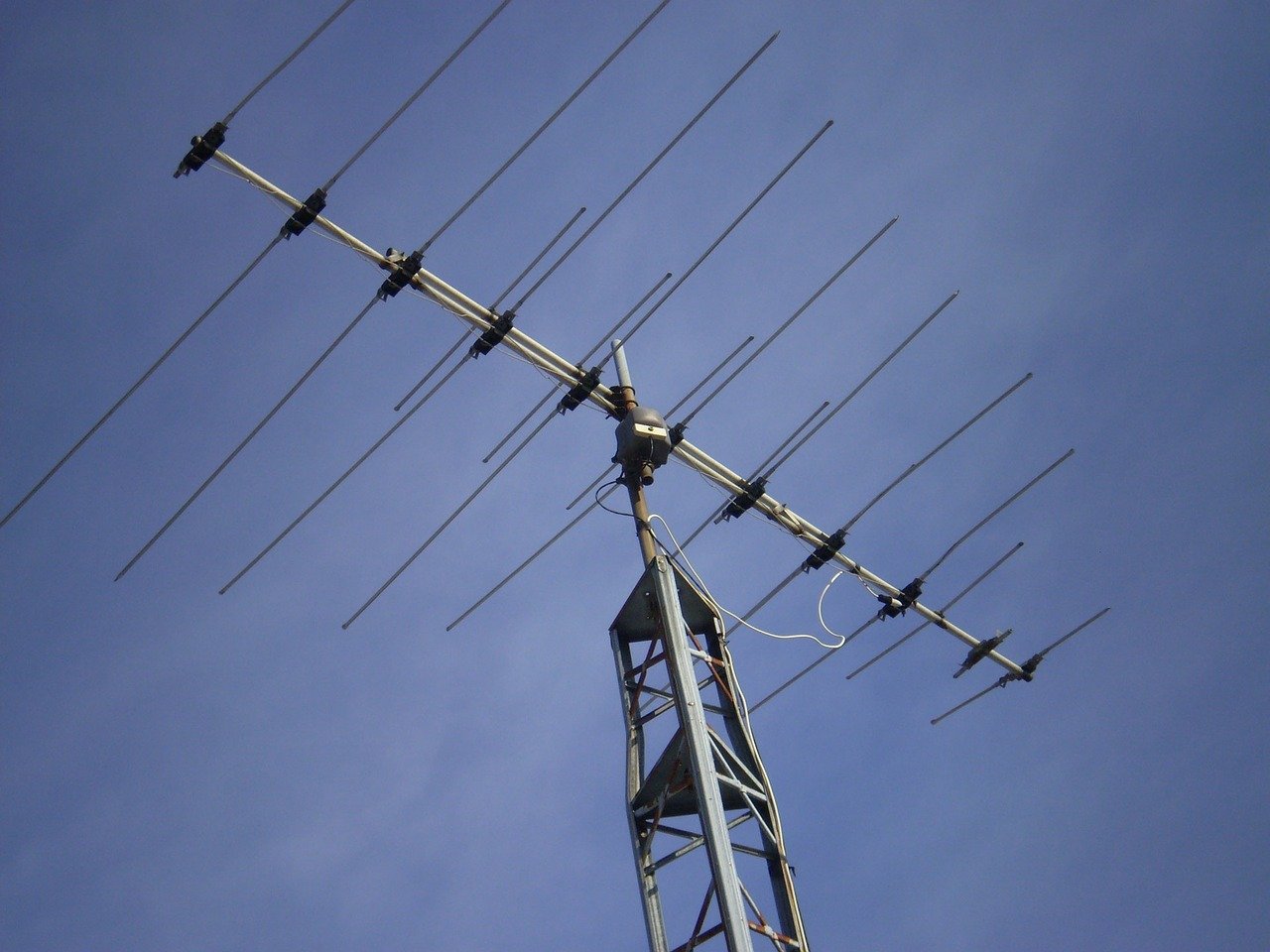
A big issue we find is your antenna has not been upgraded since the analogue TV was turned off. A digital antenna is very different in construction to an analogue antenna, although they may appear the same to the untrained eye. If you do not have a digital antenna, your old analogue antenna can allow interference to drift into the signal and corrupt the data causing break-up.
2. Incorrect Antenna For Your Area
In Australia, we have many transmission sites to get your favourite tv programs out to you. Some are on VHF, whilst others are on UHF. In certain areas, you may have different towers with your stations on different frequencies. It is very important to have an antenna that will pick up your local transmitter. All of these issues will require a specific type of digital antenna. With Australia being so vast in area and terrain, there is no such thing as one digital antenna that will do everything in every place.
3. Trees, Hills, And Large Buildings
Trees, hills and buildings are another cause of interference. When a signal leaves the transmitter, it finds the best direct path to your antenna. If you have an obstruction between the antenna and the transmitter, i.e. trees, hills or metal buildings, this will cause the signal to bounce or reflect. When this happens, your signal becomes distorted and weak. This will affect the signal quality and may cause break-up.
Another issue with trees is that if a signal is going through a tree, it will weaken, and as the tree is blown by the wind, it will affect the amount of distortion and strength. This can affect your picture. By selecting the correct type of antenna based on location, your signal distortion will be greatly reduced.
4. Using Cheap Coax Cabling
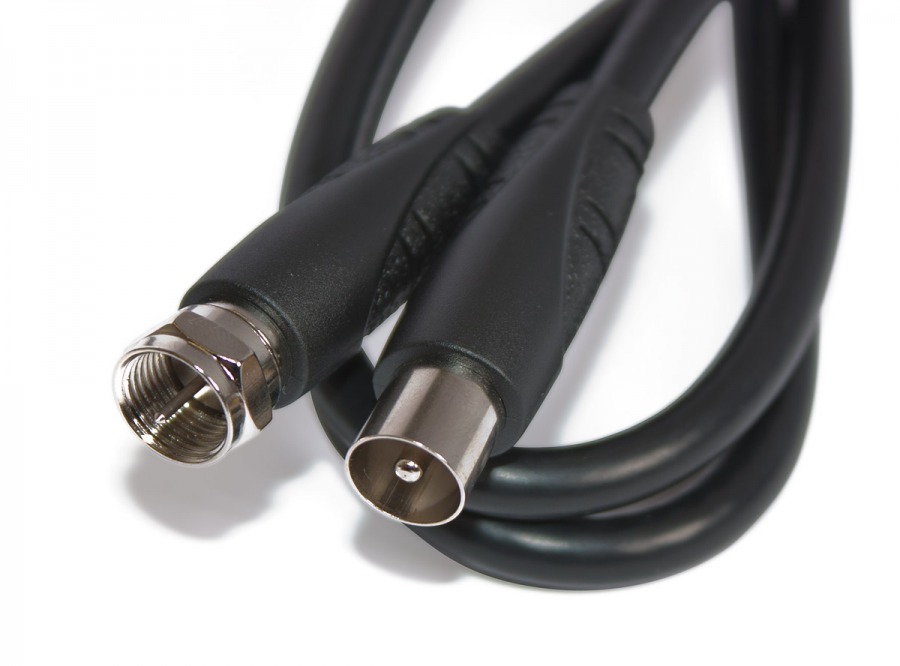
The type of coax cable used is very important in maintaining a good clean digital TV signal. Older coax cable used for analogue TV doesn’t have the screening quality of new digital cables. Also, the size may be smaller. Screening of older cable will allow electrical interference to induce into the cable and corrupt the digital TV signal. All TV coaxial cables should be well clear of any electrical cables to prevent this issue. Also, older cabling can cause a drop in signal strength due to its size. This will cause loss of signal to your TV and cause break up. The other issue is the longer the cable run, the more the losses, so if you have a long run of cable, this will also cause issues.
5. Bad Weather Can Affect The Signal
To a lesser and far more variable degree, weather can affect your over the air TV signal—especially severe fog/rain/storm, and large temperature swings—as the signal reflects off moisture in the atmosphere.
6. Your Home’s Construction Materials
Just like cell phone and satellite radio signals can’t penetrate parking garages, concrete and rebar construction or mesh stucco walls can block TV signals.
Your digital antennas should never be placed in basements, or in windows with metallic film, security bars, or mesh as this will obstruct signals. Those planning to install an antenna in their attic should also choose a different location if they have a radiant heat barrier or metal roof.
While the solution may sometimes have to be a new Aerial, it isn’t always the only option. There are plenty of scenarios to try first before resorting to that expense.
If you're looking for the best TV Antenna technician in Waterloo, Sydney NSW, contact AntennaPros today!
sources: easy-tv.com.au, jimsantennas.com.au, tablotv.com