Understanding Mold Toxicity
Mold toxicity is a serious health concern that can affect individuals in various ways. Many people associate mold with unsightly black spots on walls or damp areas in their homes, but its effects can go far beyond appearances. Exposure to mold can lead to a range of unpleasant symptoms that may go unnoticed at first. If left untreated, these symptoms can escalate into serious health issues. In this article, we will delve into the ten warning signs of mold toxicity, helping you recognise potential problems early and take action before it’s too late.
What is Mold Toxicity?
Mold toxicity occurs when individuals are exposed to harmful levels of mold spores, which release mycotoxins. These are toxic compounds that can severely affect human health. Mold thrives in moist environments, such as bathrooms, kitchens, and basements, and can often grow unnoticed in these areas. When inhaled, mycotoxins can cause a range of symptoms that affect the respiratory system, skin, nervous system, and digestive system.
Why Is Mold Toxicity Dangerous?
Mold toxicity is dangerous because it affects multiple body systems simultaneously. Mycotoxins can cause both short-term and long-term health problems. For some individuals, mold exposure can be a serious concern, particularly those with weakened immune systems, pre-existing respiratory conditions, or allergies. Long-term exposure to mold can lead to chronic illness, including neurological and respiratory diseases.
The 10 Warning Signs of Mold Toxicity
Recognising the signs of mold toxicity early on is crucial to prevent long-term health complications. Here are the ten warning signs to watch for:
1. Chronic Respiratory Issues
One of the most common symptoms of mold exposure is persistent respiratory problems. This can manifest as coughing, wheezing, shortness of breath, or even asthma attacks. If you have a chronic cough or find that your asthma symptoms worsen for no apparent reason, mold exposure could be to blame.
2. Persistent Headaches
Frequent headaches, particularly those that don’t seem to have a clear cause, are another red flag for mold toxicity. Mold spores and mycotoxins can affect the brain and trigger headaches, which can range from mild to severe. If you notice that your headaches worsen when you’re indoors or in specific rooms, it’s worth considering mold as a potential culprit.
3. Skin Irritations and Rashes
Mold can also cause skin problems, including rashes, redness, and itching. If you experience unexplained skin irritations, particularly in areas where you spend a lot of time, such as your bedroom or living room, mold could be the underlying cause.
4. Fatigue and Lethargy
Feeling tired and sluggish all the time can be another sign of mold toxicity. Mold spores affect the immune system, leading to fatigue and a general sense of malaise. If you find that your energy levels have dropped significantly without any other explanation, it might be time to check your home for potential mold growth.
5. Unexplained Allergies
If you suddenly develop new allergies or your existing allergies get worse, mold could be the trigger. Mold exposure can cause allergic reactions, including sneezing, itchy eyes, and a runny nose. These symptoms might seem like typical allergies, but they can become much worse if you continue to be exposed to mold.
6. Memory Problems and Cognitive Issues
Mold toxicity can affect the brain, leading to memory problems, difficulty concentrating, and other cognitive issues. This is one of the more serious signs of mold exposure and can severely impact your quality of life. If you’ve noticed that you’re becoming forgetful or having trouble focusing, mold toxicity could be the reason.
7. Muscle and Joint Pain
Chronic exposure to mold can lead to muscle aches and joint pain, which can feel similar to arthritis. This occurs because mold affects the body’s immune system, leading to inflammation that causes discomfort in the muscles and joints. If you’re experiencing these symptoms without any obvious cause, mold could be the culprit.
8. Sinus Congestion and Sneezing
Mold spores can irritate the nasal passages, leading to sinus congestion, sneezing, and post-nasal drip. If you’re constantly battling a stuffy nose, particularly in certain areas of your home, it could be a sign of mold growth. Sinus congestion caused by mold may also be accompanied by a sore throat or coughing.
9. Eye Irritation
Exposure to mold can cause eye irritation, including redness, itching, and watering. If you notice these symptoms getting worse indoors or in specific rooms, it may be due to mold. Eye irritation can be particularly problematic if you’re spending a lot of time in mold-infested areas, such as basements or damp bathrooms.
10. Digestive Problems
Digestive issues, including nausea, vomiting, and diarrhea, can also be a sign of mold toxicity. Mold exposure can affect the gastrointestinal system, causing these uncomfortable symptoms. If you’ve been experiencing unexplained digestive issues along with other signs of mold toxicity, it’s essential to consult a healthcare professional.
How to Prevent Mold Toxicity?
Prevention is always better than cure, and it’s possible to protect yourself and your family from the dangers of mold toxicity. Here are some steps you can take:
Identifying Potential Mold Growth Areas in Your Home
Start by inspecting areas of your home that are prone to moisture, such as bathrooms, kitchens, and basements. Pay attention to areas with visible water damage, as these are prime spots for mold growth. Look for signs of black or green spots on walls, ceilings, and floors.
Taking Immediate Action to Avoid Mold Exposure
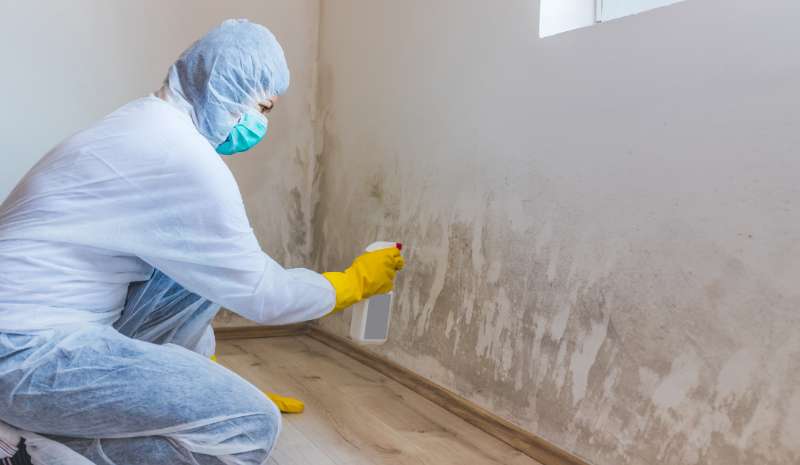
If you find mold in your home, take immediate steps to clean it up. You can either use a commercial cleaning product or a mixture of vinegar and water to scrub away mold. If the mold infestation is extensive, it’s best to contact a professional to ensure safe removal. Additionally, you should improve ventilation in areas prone to moisture to prevent future mold growth.
Conclusion: Stay Vigilant and Safe from Mold Toxicity
Mold toxicity can have severe health consequences if left unchecked. Recognising the warning signs early on and taking the necessary precautions can protect you and your loved ones from mold-related health issues. Keep an eye out for symptoms like respiratory issues, headaches, skin rashes, and cognitive problems, and address any potential mold growth in your home immediately.
If you suspect mold toxicity, it’s crucial to act fast. Seek professional help if needed, and make sure to create a healthy environment free from mold. Prevention is key, so stay vigilant about moisture control and regular home inspections.