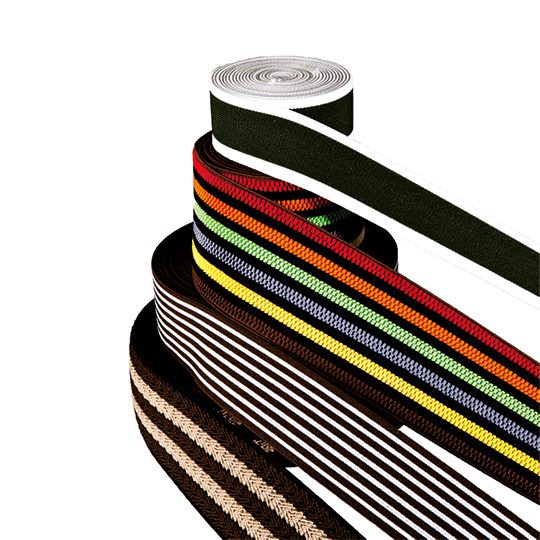
Webbing is a fundamental material that has woven its way through the fabric of history, becoming a crucial component in various applications across multiple industries today. From its humble beginnings crafted from natural elements to its modern incarnations using sophisticated synthetic fibres, webbing's journey is a fascinating tale of innovation and adaptation. This article aims to unravel the historical evolution of webbing, showcasing its importance and versatility.
Early Uses of Webbing
Webbing, in its most basic form, began as a craft during prehistoric times, with early humans weaving natural fibres from plants and animal hides to create rudimentary straps and supports. These early examples of webbing were pivotal in several early human activities:
- Hunting and Fishing: Nets crafted from woven fibres were instrumental for catching fish or game, while traps and snares utilised webbing straps for effectiveness and durability.
- Clothing and Armor: Early civilisations used webbing belts and straps to secure clothing and armour, providing not only utility but also a means of expression through decorative weaves.
- Construction and Shelter: Webbing played a role in securing materials for shelters and was used in the construction of simple tools and the transportation of goods in bundles.
Despite the utility, these early webbings faced limitations in strength and durability, propelling the search for more robust materials.
Advancements in Webbing Technology
As civilisations progressed, so did the technology for producing webbing. The discovery of stronger, more durable fibres like flax, hemp, and silk marked significant advancements in webbing:
- Increased Strength and Durability: These materials allowed for the creation of more durable and long-lasting webbing, which could withstand greater forces and adverse conditions.
- Sophisticated Weaving Techniques: With better materials came the enhancement of weaving techniques, which allowed for more intricate and reliable webbing structures.
Specific historical highlights include:
- Ancient Egypt: Here, linen webbing was utilised in everything from sails to clothing, demonstrating the versatility of the newly developed webbing materials.
- Medieval Europe: The use of hemp and wool in webbing contributed to more robust military equipment, including armour and shields.
- Asian Civilizations: Silk webbing was prized for its strength and aesthetic appeal, finding use in both practical and decorative applications.
The Industrial Revolution and Webbing
The Industrial Revolution introduced a pivotal shift in webbing production with the invention of synthetic fibres like nylon and polyester. This era marked a significant transformation in webbing:
- Mass Production: Synthetic fibres facilitated the mass production of webbing, ensuring consistent quality and increased availability.
- Diverse Functionalities: The introduction of various fibre strengths, weights, and properties expanded the use of webbing into new applications and industries.
20th and 21st Century Webbing
As we moved into the 20th century, the demand for specialised webbing experienced a significant surge, propelled by both technological advancements and evolving industry needs. This period marked several key developments in webbing technology that have since revolutionised its applications across various fields.
Flame-Retardant Webbing: Developed in response to the growing safety regulations in industries such as firefighting, aviation, and automotive manufacturing, flame-retardant webbing quickly became essential. These webbing materials are designed to resist ignition, reduce flame spread, and self-extinguish once the source of ignition is removed, providing an additional layer of safety in critical environments.
High-Strength Webbing: The emergence of materials science and engineering innovations led to the creation of high-strength webbing materials. It results in products like webbing belts and straps that can bear heavy loads without compromising flexibility. This type of webbing is fundamental in sectors like construction, military, and outdoor equipment, where performance under strain and durability are paramount.
Breathable and Comfortable Webbing: The sports and leisure industries have particularly benefited from the development of breathable and comfortable webbing. This webbing material is designed to improve user comfort and performance by allowing better air circulation and reducing moisture buildup, which is ideal for sporting goods, casual wear, and medical devices.
Environmental Impact and Sustainability: The late 20th and early 21st centuries have also seen a growing emphasis on environmental sustainability. This shift has led to the development of eco-friendly webbing materials that are made from recycled plastics, organic materials, and natural fibres. These sustainable options not only help reduce the environmental footprint but also meet the demands of consumers who are increasingly looking for green alternatives in their products.
Conclusion
The historical journey of webbing showcases its transformation from a simple tool of early humans to a critical component in modern technology and industry. As we look toward the future, the potential for new webbing innovations continues to grow, promising to play a crucial role in both everyday applications and advanced technological fields.
If you're in search of top-notch webbing materials that reflect a legacy of quality and innovation, get in touch with us at Kompindo Fontana, your trusted source for superior webbing solutions.