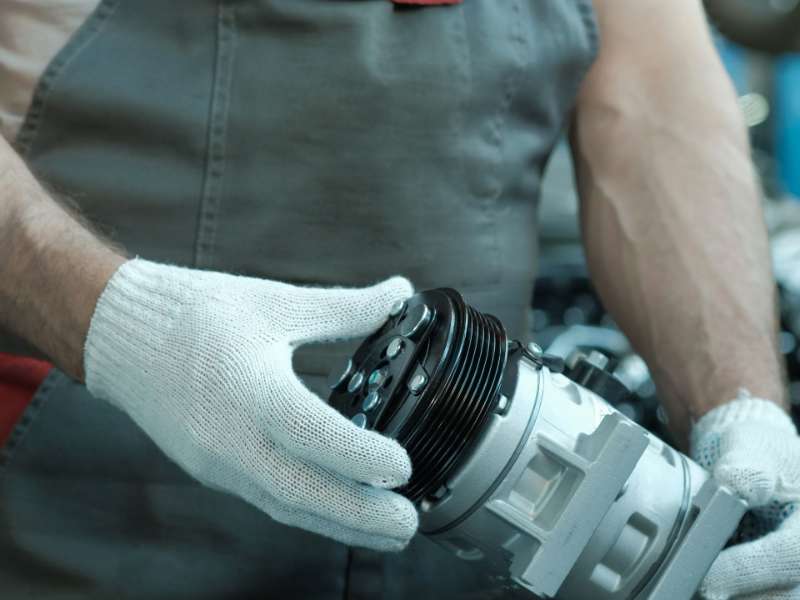
From manufacturing to vehicle repair, compressed air plays an important role in many industries. However, one of the most common problems many businesses face is moisture building up in their air compressor systems. Too much water in compressed air can cause corrosion, damage to pneumatic tools, and poor air quality, which eventually affects productivity and equipment lifespan.
For this, many businesses use a water separator air compressor to remove excess moisture before it reaches critical components. But do you really need one? In this article, we look at how moisture affects your air compressor system, the types of water separators, and how to choose the best option for your needs.
What Is a Water Separator for an Air Compressor?
A water separator air compressor is a device designed to remove water and moisture from compressed air before it reaches tools, machinery, or storage tanks. Since air compressors naturally draw in atmospheric air, they also capture humidity, which can condense into liquid water when compressed. If not properly filtered, this moisture can cause rust, equipment failure, and contamination in sensitive applications.
How It Works
A water separator air compressor works by separating water droplets from the compressed air flow using one of several methods: centrifugal force, coalescing filtration, or chemical drying. The extracted water is then either manually drained or automatically expelled through a drain valve.
Why Moisture Removal Is Essential
Prevents corrosion in pipes, air tanks, and pneumatic tools.
Improves air quality for applications like painting, food processing, and medical use.
Extends equipment lifespan by reducing wear caused by water damage.
Prevents contamination in sensitive industrial processes.
How Moisture Affects Your Air Compressor System
Moisture buildup in compressed air systems can cause significant damage if left unchecked. Here are some of the most common problems caused by excess water in compressed air:
1. Corrosion and Rust Formation
Water inside metal components can lead to rust, which weakens air compressor tanks, pipes, and fittings. Over time, corrosion can cause leaks, leading to inefficiencies and costly repairs.
2. Equipment Damage and Malfunction
Moisture can damage pneumatic tools, air cylinders, and valves, leading to premature failure. This is especially problematic in manufacturing and automotive industries, where reliable equipment is essential.
3. Poor Performance in Painting and Finishing Applications
For industries that use compressed air for painting or powder coating, excess moisture can lead to inconsistent spray patterns, paint defects, and contamination. A water separator air compressor helps maintain a clean, dry air supply for optimal results.
4. Inefficiency in Industrial Processes
In sectors like food processing, medical equipment, and electronics manufacturing, moisture contamination can compromise product quality. Many industries implement strict air quality standards, making water separators essential for compliance.
Does My Air Compressor Need a Water Separator?
Not all air compressors require a water separator, but in many cases, having one can significantly improve performance and efficiency. Here’s how to determine if you need a water separator air compressor:
Signs You Need a Water Separator
✔ ️ Excessive water buildup in your air tank or hoses.
✔ Rust or corrosion in your air compressor system.
✔ Reduced efficiency in pneumatic tools due to moisture contamination.
✔ Blotchy or defective paint finishes in spray painting applications.
✔ Frequent clogging or maintenance issues caused by water in compressed air.
Factors That Determine If You Need a Water Separator
Humidity Levels – If you operate in a high-humidity environment, moisture removal is crucial.
Compressor Usage – Frequent or continuous use increases the risk of water buildup.
Application Type – Industries like painting, food production, and electronics manufacturing require dry air.
If you notice any of the above signs, installing a water separator air compressor can prevent costly damage and ensure reliable performance.
Types of Water Separators for Air Compressors
Different types of water separator air compressors use various techniques to remove moisture from compressed air. Here’s a breakdown of the most common options:
1. Centrifugal Separators
These separators use spinning motion to force water droplets out of the air stream. As air enters the separator, it spins rapidly, causing moisture to be flung to the outer edges, where it is collected and drained.
Best for: General-purpose moisture removal in workshops and industrial settings.
2. Coalescing Separators
Coalescing separators use fine filter media to trap water and oil particles, forcing them to merge and collect in a drainable chamber.
Best for: High-precision industries such as pharmaceuticals, food processing, and painting applications.
3. Refrigerated & Desiccant Dryers
Although not traditional water separators, refrigerated and desiccant dryers remove moisture by cooling the air or absorbing humidity.
Best for: Industries requiring extremely dry air, such as electronics manufacturing and medical applications.
How to Choose the Right Water Separator for Your Air Compressor
When selecting a water separator air compressor, consider the following factors:
✔ Compressor Size & Air Pressure – Ensure compatibility with your system’s CFM (Cubic Feet per Minute) and PSI (Pounds per Square Inch) ratings.
✔ Industry Requirements – Certain industries, such as medical and food processing, have strict air quality standards.
✔ Manual vs. Automatic Drain Separators – Automatic drains reduce maintenance efforts, while manual drains are cost-effective.
✔ Filtration Efficiency – Consider micron ratings if additional filtration is needed.
Choosing the right water separator ensures better air quality, longer equipment life, and reduced maintenance costs.
Frequently Asked Questions (FAQs)
1. How do I know if my air compressor has too much moisture?
If you notice water pooling in hoses, inconsistent tool performance, or rust inside your air tank, your compressor likely has excess moisture.
2. Can I use my air compressor without a water separator?
Yes, but without one, moisture can cause corrosion, clogging, and contamination, reducing efficiency and equipment lifespan.
3. How often should I drain my water separator?
It depends on usage, but for frequent operation, draining it daily prevents moisture buildup.
4. Can I use a DIY method instead of a commercial water separator?
While DIY solutions exist, commercial water separator air compressors are more effective and reliable.
Conclusion
Managing moisture in your air compressor system is essential to prevent corrosion, equipment failure, and quality issues. A water separator air compressor ensures clean, dry air, extending the life of your tools and improving overall efficiency. Whether you're dealing with excess water in pneumatic tools, painting applications, or industrial machinery, having the right moisture control solution is key to maintaining optimal performance.
At All Air Compressors, we specialise in providing reliable air compressor solutions, including water separators, filtration systems, and servicing to help you get the most out of your equipment. Our experts can guide you in choosing the best water separator air compressor for your specific needs.
Need expert advice or servicing? Contact All Air Compressors today!