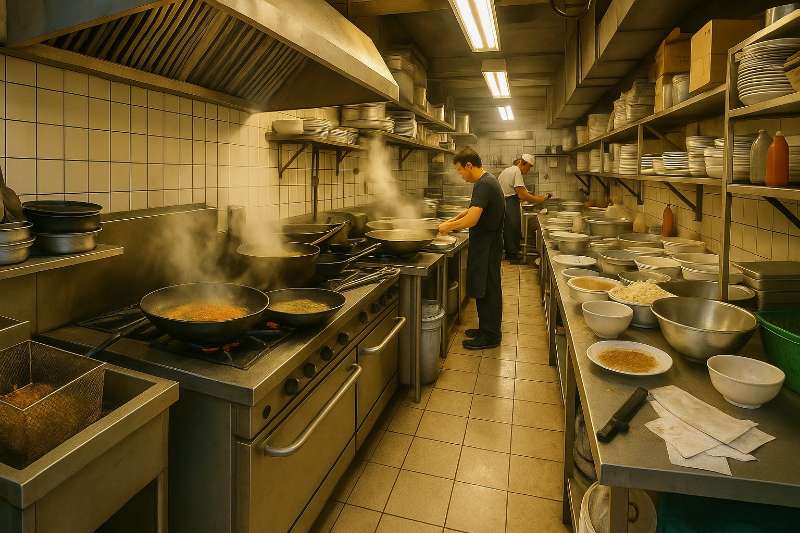
Here we will discuss top dirtiest spots in kitchens, particularly the residential and the commercial kitchens. This also includes explanations on why kitchens get dirty quickly and the importance of deep cleaning.
Kitchens gather grease, moisture, and bacteria faster than most areas in a property. In Melbourne’s changing climate, heat and humidity speed up residue buildup, while cooler weather encourages condensation and mould. Residential kitchens face steady daily use, and commercial kitchens operate under high heat for long hours, making kitchen deep cleaning essential to maintain hygiene and safety.
Why Kitchens Become Dirty Quickly
Cooking produces vapours, oils, and particles that settle on surfaces and equipment. Moisture from boiling and washing adds to the problem. Even when wiped daily, residue slips into vents, crevices, and the spaces beneath appliances. Over time, these areas become breeding zones for bacteria and odours. Commercial kitchens experience this at a faster rate due to constant operation, multiple staff members, and heavy-duty equipment. Without further ado, here's the top dirtiest spots in kitchens, both in residential and commercial spaces.
Top 8 Dirtiest Spots in Kitchens
Exhaust Hoods and Vents
Exhaust systems trap grease and airborne residue. In commercial kitchens, buildup becomes thick and sticky, increasing fire risk and restricting airflow. In homes, neglected hoods contribute to lingering smells and greasy films on cupboards and splashbacks. Deep cleaning removes the layers inside filters, vents, and fan assemblies that daily wiping cannot reach.
Oven Interiors and Cooktops
Burnt food, oil splatter, and spilled sauces accumulate inside ovens and on stovetops. High heat bakes the residue into hard carbon deposits that trap odour and smoke. In commercial settings, the intensity of cooking accelerates this process. Deep cleaning restores cooking performance and prevents contamination caused by neglected spills around seals, trays, and heating elements.
Floors, Drains, and Under Appliances
Kitchen floors absorb constant spills of cooking oil, raw juices, detergents, and water. These seep into grout lines and under appliances, forming slippery films. Both in commercial and residential kitchens, this slippery floor is a major safety hazard. Elderly or children can injure themselves because of slipping in a house kitchen, while chef and cooking team can also injure themselves slipping in an unmaintained restaurant kitchen.
Drains trap organic waste and fats that produce strong odours over time. In commercial kitchens, moisture around drainage points encourages mould and bacteria growth if not cleaned thoroughly.
Preparation Benches and High-Touch Surfaces
Stainless steel prep benches, chopping surfaces, and appliance handles carry high levels of bacteria due to constant contact, and cleaning stainless steel equipment without damaging it is very important These areas may look clean on the surface but often trap residue in seams and small texture lines. Restaurants face higher cross-contamination risks due to rapid workflow between raw and cooked foods.
Ceilings and Overhead Surfaces
Ceilings are one of the most overlooked dirty areas in kitchens. Heat pushes steam, oil vapour, and smoke upward, where they cling to overhead surfaces. In commercial kitchens—especially those using woks, grills, and deep fryers—tiny grease droplets accumulate into a sticky film across ceiling tiles, light fittings, and ventilation covers. Over time, this buildup traps odour, discolours surfaces, and contributes to poor air quality. Ignoring ceiling cleaning allows hidden bacteria and grease to circulate throughout the kitchen, making deep cleaning essential.
Refrigerators, Cold Rooms, and Storage Shelves
Cold environments collect condensation, leading to mould and bacterial growth where moisture lingers. Spills and drips from food containers often settle under trays and along shelf edges. In commercial cold rooms, corners and seals trap dirt that requires scheduled deep cleaning to maintain food safety.
Entryways, Doors, and Handles
Doors and entry points are high-touch surfaces that accumulate dirt, fingerprints, raw food residue, and bacteria throughout the day. Commercial kitchen doors also trap grease vapour as it settles on vertical surfaces, creating a thin film that darkens over time. Door frames, push plates, and handles become transmission points for germs, especially during peak service hours. In residential kitchens, pantry doors and fridge handles carry similar risks if not cleaned deeply and frequently.
Small Appliances and Hidden Spaces
Mixers, blenders, toasters, proofers, and benchtop equipment collect crumbs and fine residue in hard-to-reach areas. These spots are rarely addressed in routine cleaning and become hotspots for pests and bacteria.
Why Deep Cleaning Is Non-Negotiable
Surface cleaning handles the visible dirt, but deep cleaning targets the hidden buildup that compromises hygiene. It removes grease lodged inside vents, residue stuck to oven walls, mould around drains, and bacteria living in storage and preparation areas. for these reasons, it shows the importance of kitchen cleaning especially in Melbourne. Kitchen deep cleaning helps:
- Reduces foodborne illness risks
- Controls odour
- Supports fire safety
- Extends equipment lifespan
- Improves air quality
- Keeps kitchens compliant with health requirements
For kitchens that require a higher standard of cleanliness, Muhaini cleaning provides professional commercial kitchen deep cleaning in Melbourne, using food-safe products and specialised methods that reach areas daily cleaning can’t.
For bookings or a free quote, contact Muhaini Cleaning at 1300 240 081 or visit muhainicleaning.com.au.
Conclusion
The top dirtiest spots in kitchens, from exhaust hoods and vents, oven interiors and cooktops, and floors, drains, and under appliances, to preparation benches, ceilings and overhead surfaces, refrigerators and storage areas, entryways and doors, and small appliances and hidden spaces—all show how dirt spreads across residential and commercial environments. Kitchens accumulate grime faster than almost any other space due to constant heat, moisture, and food activity. Understanding why kitchens become dirty quickly highlights how grease vapours, spills, and residue settle into hidden corners long before they become visible. These areas trap bacteria, odour, and grease buildup that routine wiping cannot remove. For this reason, deep cleaning is non-negotiable. It addresses the residue embedded in ventilation systems, equipment joints, drainage zones, and high-touch surfaces that daily cleaning overlooks. Deep cleaning improves safety, protects equipment, reduces contamination risks, and restores kitchen hygiene to a reliable standard suitable for both homes and commercial food operations in Melbourne.