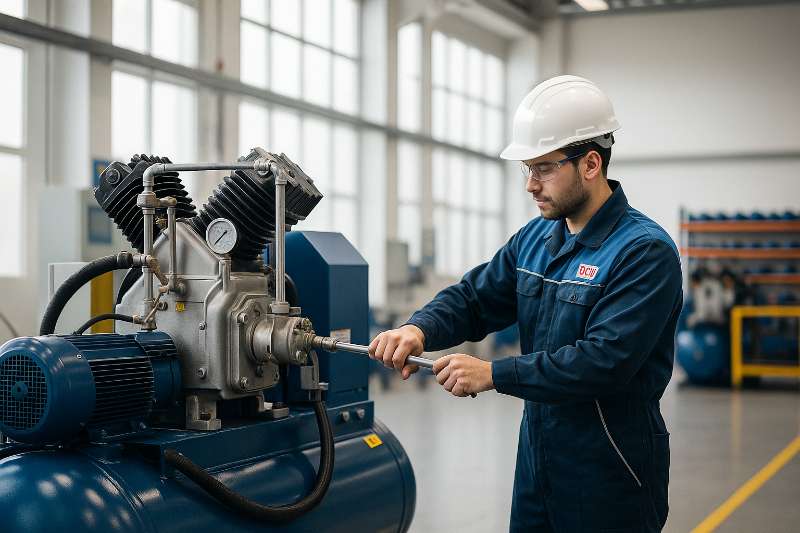
For many Sydney businesses, air compressors are the backbone of daily operations. From powering pneumatic tools to driving entire production systems, they are a critical investment. But like any machinery, they can only perform at their best if they are properly maintained. Neglecting upkeep often leads to breakdowns, costly repairs, or even early replacement.
At All Air Compressors, we believe preventative maintenance is the smartest way to protect your equipment and keep your business running smoothly. Below, we share seven practical tips to extend the life of your air compressor and reduce downtime.
Why Preventative Maintenance Matters
Waiting until your compressor fails isn’t just inconvenient—it can also be expensive. Downtime disrupts operations, urgent repairs cost more, and in some industries, non-compliance can even create safety risks. Preventative maintenance ensures your compressor stays efficient, safe, and reliable, while saving money in the long run.
1. Regularly Change the Oil
Lubrication is essential for smooth compressor operation. Without clean oil, internal components wear out quickly and generate excessive heat. As a general guideline, check oil levels weekly and change it every 3–6 months depending on usage. Using high-quality oil recommended for your compressor model makes a noticeable difference in performance and longevity.
2. Inspect and Replace Air Filters
Air filters protect your system from dust and contaminants. A clogged or dirty filter forces the compressor to work harder, consuming more energy and producing poor-quality air. Inspect filters regularly and replace them when dirty. In industrial settings with heavy dust, this may need to be done more often.
3. Check Belts and Hoses for Wear
Belts and hoses are some of the first components to show signs of wear. Cracks, fraying, or leaks can lead to sudden failures that halt operations. Inspect them regularly and replace any that show visible damage. Preventing a snapped belt or burst hose is far less costly than emergency repairs.
4. Monitor Air Pressure and Temperature
Your compressor’s gauges provide valuable insight into its health. Consistently low air pressure may indicate leaks, while high pressure can cause dangerous over-strain. Overheating is another red flag that could point to low oil levels, cooling issues, or blocked airflow. Monitoring these readings regularly helps you catch problems early.
5. Drain Moisture from Tanks
Air compressors naturally accumulate moisture inside their tanks. If not drained, water can cause rust and damage the system. Make it part of your daily or weekly routine to drain tanks, especially in Sydney’s humid climate. Some models include automatic drains, but manual checks are still recommended.
6. Schedule Routine Professional Servicing
While in-house checks are important, nothing replaces professional servicing. Certified technicians can identify issues you might miss, adjust components, and ensure compliance with industry standards. All Air Compressors offers tailored servicing packages across Sydney to keep your equipment running efficiently all year round.
7. Keep a Maintenance Log
Documenting each service, oil change, and part replacement helps you stay on top of upkeep. A log not only improves accountability but also provides useful records for warranty claims or compliance audits. It’s a simple step that can prevent forgotten tasks and extend the life of your compressor.
Conclusion
Air compressors are a significant investment, and keeping them in top shape is essential for long-term performance and reliability. By following these seven preventative maintenance tips, Sydney businesses can reduce downtime, improve efficiency, and avoid costly breakdowns.
When it comes to expert care, trust the team at All Air Compressors. Whether you need routine servicing, urgent repairs, or advice on extending the life of your equipment, we’ve got you covered.
Call Peter today on 0435 166 474 to schedule your air compressor servicing in Sydney.
FAQs
How often should an air compressor be serviced?
Most compressors should be serviced every 3–6 months depending on usage. Heavy-duty units may need more frequent checks.What are the common signs my air compressor needs maintenance?
Look out for strange noises, low air pressure, overheating, or air leaks. These are early warning signs.Can I do air compressor maintenance myself?
Basic tasks like draining tanks or checking filters can be done in-house, but professional servicing ensures every issue is properly addressed.How long do air compressors last with proper maintenance?
With regular servicing, most compressors last 10–15 years or longer.Do you offer air compressor servicing in Sydney?
Yes. All Air Compressors provides expert servicing, repairs, and preventative maintenance across Sydney.