Going solar is one of those decisions that sounds simple until you start looking into it. You know it can cut your power bills and you've seen the panels going up on roofs all around you, but the moment you make an enquiry you're met with a wall of sales pitches, competing quotes, and technical terms that all sound important. It's a significant upfront investment, and the pressure to just pick a deal and get on with it is real. The problem is that solar done poorly, on the wrong roof or with the wrong provider, can underdeliver for years.
The good news is that you don't need to become an expert to make a smart decision. You just need to know the right questions to ask before you sign, rather than discovering the answers afterwards. Asking them upfront filters out the pushy operators, clarifies what you're actually buying, and gives you a realistic picture of what solar will do for your particular home. Here are the ones worth working through before you commit to anything.
Is Your Home Actually Suited to It?
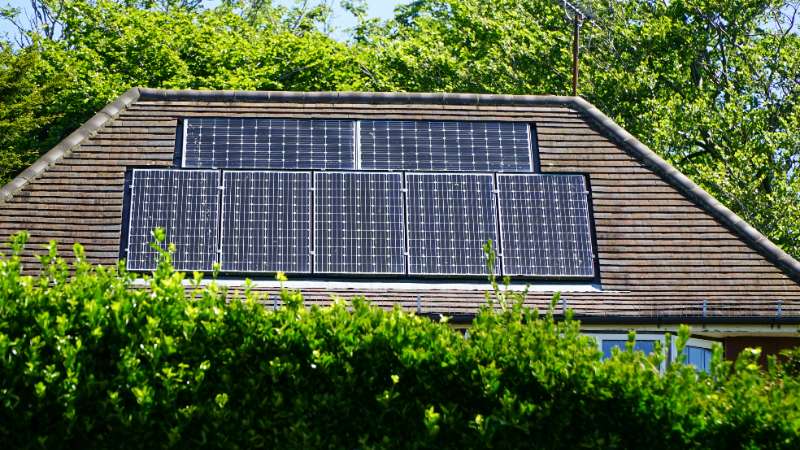
The first question is the one the keenest salespeople tend to skip, which is whether your roof is genuinely well suited to solar in the first place. Not every home gets the same return, and the physical realities of your roof matter enormously. Orientation is a big one, since panels facing certain directions capture far more sun across the day than others, and the pitch or angle of your roof affects how efficiently they generate. A roof that's ideal will produce noticeably more than one that's compromised, for the same spend.
Shading is the other thing to assess honestly. Trees, neighbouring buildings, chimneys, or anything that throws shadow across your roof during the day will cut into what your system produces, sometimes significantly, and shade that seems minor can have an outsized effect on certain panel setups. You also need enough usable roof space to fit a system large enough to matter. Before you get swept up in quotes and payback figures, take a clear-eyed look at your own roof, because this is the foundation everything else rests on. A good installer will assess this properly rather than gloss over it, and one who doesn't even look is a warning in itself.
How Much Power Do You Actually Use, and When?
The next question turns from your roof to your habits, because the right system is built around how you actually use electricity, not just how much. Start with your bills to understand your real consumption, then think about the pattern of it across the day, which is the part people most often overlook. Solar generates while the sun is up, so how much of your usage falls in daylight hours has a big bearing on how much benefit you'll see directly.
A household where everyone's out at work and school all day, using most of their power in the evening, gets a different value equation from one where someone's home during the day running appliances while the sun is shining. Neither is wrong, but they point toward different decisions about system size and whether battery storage is worth considering to shift daytime generation into evening use. Knowing your own pattern helps you size a system that fits your life rather than an off-the-shelf package, and it protects you from being upsold capacity you can't use or landed with too little to make a real dent. Bring this understanding to any conversation with an installer and you'll get far more useful advice.
What Does the Local Picture Look Like?
Solar doesn't perform in the abstract, it performs in a specific place with specific conditions, so it's worth asking how local factors apply to you. Regional climate and typical sun exposure shape what a system realistically produces across the year, and a good local installer will be able to talk to that rather than quoting national averages. Local knowledge also matters for the practical side, including any council or network requirements that apply in your area and how they affect installation and connection.
This is where working with someone who genuinely knows the region pays off. Having solar panels in Lake Macquarie assessed and installed by a provider who understands local conditions, the typical roof styles in the area, and the requirements that apply here means the advice you get is grounded in your actual circumstances rather than a generic sales script. A local operator has usually worked on homes like yours nearby, knows what tends to perform well in the area, and is easier to hold accountable if something needs attention later. Proximity and local familiarity are quietly some of the most valuable things to look for, and they're easy to check by asking where else they've worked around you.
Who's Installing It and What Are You Really Signing?
Once you're satisfied solar suits your home, the focus shifts to the provider and the fine print, and this is where careful questions save you from expensive regret. Ask about accreditation and licensing, because proper credentials are what stand behind the quality and safety of the install, as well as your eligibility for any applicable incentives. Ask specifically about warranties, and listen for the detail, since panels, the inverter, and the installation workmanship often carry different warranty periods, and the inverter in particular is worth understanding because it's a component that can need attention sooner than the panels.
Read the quote properly and make sure you know exactly what's included, from the equipment and installation to connection and any extras, so you're comparing like with like across different providers rather than being drawn to a headline price that leaves things out. If finance is part of the offer, treat it as its own decision and understand the full cost, not just the appealing monthly figure. Be wary of high-pressure tactics, deals that expire today, and anything that discourages you from taking time to think, because a reputable provider is happy for you to consider properly. The way a company handles these questions tells you a lot about what they'll be like to deal with after the sale.
What Happens After the Panels Are On?
The final set of questions looks past installation day to the years that follow, because solar is a long-term relationship with your roof and your provider, not a one-off purchase. Ask for a realistic payback expectation grounded in your actual usage and system, and be a little sceptical of anyone promising unusually fast returns, since honest figures tend to be more measured than the most optimistic pitches. Understanding roughly when the system pays for itself, and what your ongoing savings look like, keeps your expectations sensible.
Ask how you'll monitor performance so you can tell the system is working as it should, and what happens if it isn't, including how maintenance and warranty support are handled and how responsive the provider is when you need them. Panels are low-maintenance but not no-maintenance, and knowing there's a reliable local point of contact for the occasional check or issue is genuinely reassuring over the life of the system. Solar is a sound investment for a great many homes, and taking the time to work through these questions before you commit is how you make sure yours is one of them. The right questions asked early are what turn a big, slightly daunting decision into a confident one you'll be glad you made for years to come.