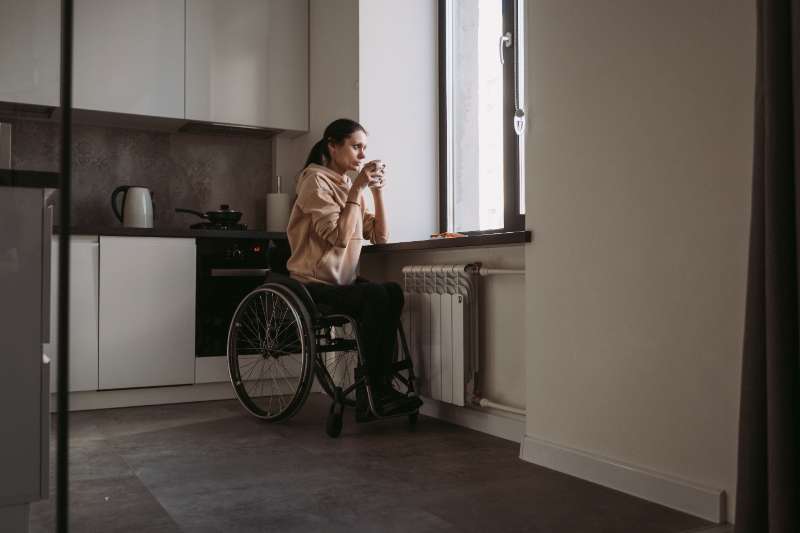
The Australian housing market is going through a revolution. The fledgling SDA market has funded large-scale world-class disability housing. Through the NDIS, participants who qualify for Specialist Disability Accommodation can choose where and with whom they live.
NDIS participants have the ability to choose from a variety of housing options and providers thanks to SDA. For example, if someone likes where they live but dislikes their support service, they shouldn't have to relocate to change providers. The development of SDA dwellings will create a market that will allow SDA-funded participants to pick and select freely. This will promote continuous improvement in both the quality of housing and the support provided.
What Is The Vision of A Successful SDA Market?
The SDA market should be driven by housing seekers' preferences and choices, resulting in the development of innovative, well-designed, high-quality homes in the right location.
SDA funding is meant to both increase the quantity of housing available and alters more traditional housing models to a diverse range of contemporary housing based on new customer demands. Demand data must be detailed and empowering in order for a market-based disability housing programme to succeed.
There will be a wide range of new housing options for people with disabilities as the SDA market grows. Healthy competition among SDA providers and investors will drive an iterative process of evidence-based innovation in design, technology, and support that continually improves the built environment. Outcome measurement is crucial to effective innovation. An SDA market that is fully functional should provide evidence-based information on tenant outcomes to help determine the internal characteristics and layouts of housing that should be replicated. The NDIS, tenants, and investors will all benefit from a maturing SDA market.
SDA Tenants' Outcomes
What Do SDA Tenants Say To Those Thinking Of Renting An SDA Home?
“Be patient, because I also at first didn't believe it would happen, but it did. Good people were around me, and I couldn't have accomplished it without them. Living in SDA is better than I had imagined.” - Lisa, SDA Tenant
“Despite how impossible they may seem, your dreams can become reality. Never stop dreaming or working towards that goal. For those on the path to SDA, keep going. There will be difficulties, but in the long run, they will be worth the effort.” – Jono, SDA Tenant
The NDIS Outcomes
What are the positive outcomes that the NDIS expects from a successful SDA market?
The SDA Demand Outlooks
Only around 6% of NDIS participants who require the highest level of support are eligible for SDA.
Of these SDA-qualified participants, the majority are over 25 years of age. Less than a third (40%) of NDIS participants are over 25 years old. Most (60%) of those over 25 years old live either in a privately owned or rented house. Some (17%) live in a publicly owned house or apartment. Only 12% of participants over 25 live in SDA. The remainder lives in residential care, hostels, short-term crisis housing, or temporary shelters. A further 1% live in residential aged care facilities.
For full data and information please visit Specialist Disability Accommodation Explainer for Investors by Summer Foundation
The Supply of SDA in the Future
The supply side of the SDA market in Australia is gaining traction. Given the low returns on other investment classes, investors and property developers are very interested in the market, and new disability housing providers are entering it. The property sector, large financial institutions, super funds, community housing providers, and disability service providers are all showing an increased interest in SDA.