Electrical safety is a critical aspect of maintaining a safe workplace. Whether you’re working in an office, warehouse, or industrial setting, electrical hazards are present. Regular electrical testing and tagging play a crucial role in preventing accidents, injuries, and even fatalities. But what exactly is electrical testing and tagging, and why should it be part of your safety routine?
What is Electrical Testing and Tagging?
Electrical testing and tagging involve inspecting and testing electrical equipment to ensure that it’s safe to use. It’s a methodical process that checks for any electrical faults or hazards that could pose a risk to workers. The testing is followed by attaching a tag that indicates whether the equipment is safe for use. If a piece of equipment fails the test, it’s either repaired or removed from service.
This practice isn’t just a recommendation but a legal requirement in many industries. Regular testing ensures that all electrical equipment is in good working condition, reducing the chances of malfunction or electrical accidents.
Why is Electrical Testing and Tagging Necessary?
Electrical accidents can be costly, both in terms of human lives and financial damage. Failing to ensure electrical equipment is safe can lead to serious injuries or even fatalities. Regular electrical testing and tagging help:
Prevent electrical shocks: Faulty equipment is one of the leading causes of electrical shocks in the workplace. Testing helps identify risks before they become a hazard.
Reduce fire risks: Malfunctioning electrical appliances can cause fires. Regular testing ensures that equipment is operating correctly, reducing fire hazards.
Ensure compliance: In many regions, regular testing and tagging are legally required. Failing to comply can result in hefty fines and penalties.
Protect your workforce: By ensuring that electrical equipment is in good condition, you protect employees from potential harm, contributing to a safer work environment.
How Does Electrical Testing and Tagging Work?
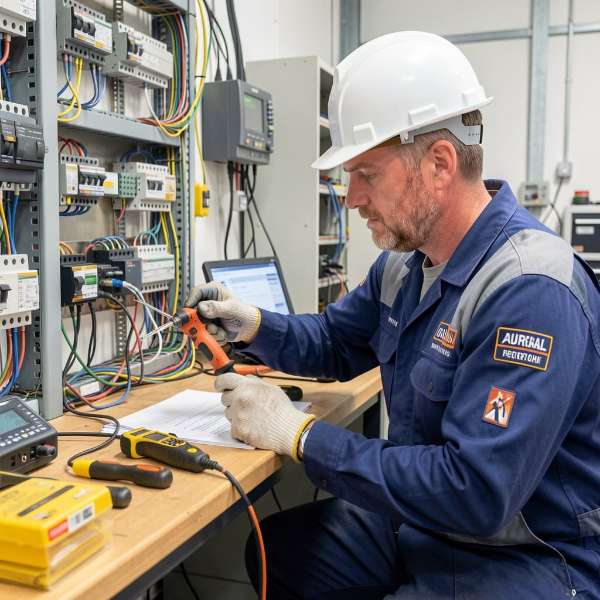
Electrical testing and tagging is carried out by qualified electricians or technicians who follow a specific set of procedures. These procedures typically involve:
Visual Inspection: Technicians check for any visible signs of wear and tear, damage, or faulty connections in the electrical equipment.
Testing for Electrical Faults: Using specialised equipment, the technician checks for any electrical issues, such as insulation faults, leakage current, or grounding issues.
Tagging: If the equipment passes the test, a tag is attached, indicating that the item is safe for use. The tag typically includes information about when the test was done and when the next test is due.
Failing Equipment: If any issues are detected, the equipment is either repaired or removed from service until it can be fixed.
Testing and tagging should be done at regular intervals, depending on the type of equipment and the environment in which it’s used. For example, equipment used in a high-risk area may need to be tested more frequently than office equipment.
Benefits of Regular Electrical Testing and Tagging
There are numerous benefits to implementing regular electrical testing and tagging in your workplace:
Risk Reduction: By identifying faulty or dangerous equipment, you reduce the risk of electrical accidents, which can lead to serious injuries or fatalities.
Increased Equipment Lifespan: Regular maintenance and testing help identify issues before they cause major damage, potentially extending the lifespan of your equipment.
Improved Workplace Safety Culture: Implementing regular testing shows your commitment to safety, which boosts employee morale and demonstrates that you care about their well-being.
Insurance Compliance: Many insurance policies require regular testing and tagging to ensure coverage. Neglecting this can result in denied claims in the event of an incident.
Legal Requirements for Electrical Testing and Tagging
In many industries, electrical testing and tagging aren’t just recommended—they’re required by law. Workplace safety regulations in Australia, such as the Work Health and Safety Act and the Electrical Safety Regulations, mandate that employers ensure all electrical equipment is safe for use. Failing to adhere to these regulations can lead to significant penalties, legal action, or even workplace shutdowns.
The frequency of testing depends on factors such as the type of equipment and the risk level of the environment. For example, construction sites or industrial workplaces may require more frequent testing than office environments. Consulting with a qualified electrician will help you determine the appropriate testing intervals for your workplace.
How to Get Started with Electrical Testing and Tagging
If you’re not already implementing regular electrical testing and tagging, now is the time to start. Here’s how you can ensure a safe and compliant workplace:
Assess Your Equipment: Identify all electrical equipment in your workplace that requires testing and tagging. This includes tools, appliances, and machinery.
Hire a Qualified Electrician: To ensure the testing is done correctly, hire a licensed electrician or electrical contractor who is experienced in testing and tagging.
Set a Schedule: Create a testing schedule based on your equipment and workplace needs. Keep track of when the next testing is due.
Maintain Records: Keep accurate records of all testing and tagging activities. This will be useful for compliance and insurance purposes.
Conclusion
Electrical testing and tagging are critical practices to maintain a safe workplace. By ensuring that your electrical equipment is regularly tested and tagged, you help protect your employees from electrical hazards, reduce the risk of accidents, and ensure compliance with legal requirements. Investing in regular electrical safety measures is an essential step toward creating a safe and productive working environment.
If you're looking for professional electrical testing and tagging services, get in touch with us. Our qualified team can help you maintain a safe and compliant workplace.