Medical aesthetics is evolving quickly, and 2026 is shaping up to be a pivotal year. The industry is moving away from one-off cosmetic fixes and toward long-term skin health, prevention, and personalization. Patients are more educated, more intentional, and more selective about where they spend their money.
At the same time, technology, regenerative medicine, and wellness are changing how treatments are delivered and how results are measured. For clinics and brands, success in 2026 will not come from offering everything. It will come from offering the right things, clearly positioned and thoughtfully delivered.
Below are the key medical aesthetics predictions for 2026, explained in a way that is practical, realistic, and easy to apply.
1. Regenerative Aesthetics is Here to Stay
Regenerative aesthetics is no longer niche. By 2026, it will be a core part of many treatment menus. Patients are increasingly interested in procedures that work with the body rather than simply adding volume or masking concerns.
In practice, this means more clinics offering advanced PRP and PRF protocols, exosome-based treatments, and bio-stimulatory injectables. These treatments are being positioned as long-term investments in skin quality rather than instant transformations.
As a result, education becomes critical. When patients understand how regeneration supports collagen, healing, and overall skin health, they are more likely to commit to treatment plans and return over time.
2. Longevity Is Replacing Anti-Aging
The term anti-aging is steadily losing relevance. In its place, longevity-focused aesthetics is taking hold. This shift reflects how patients want to feel about themselves. They are not trying to look younger overnight. Instead, they want to age well and maintain healthy skin for the long term.
Because of this, more patients are starting treatments earlier and opting for preventative approaches. Clinics are responding by creating multi-year treatment plans that focus on maintenance, skin resilience, and gradual improvement.
For marketing, language matters. Clinics that speak about longevity, prevention, and skin vitality will connect more easily with millennial and Gen Z audiences.
3. Consultations Are Getting Smarter
Artificial intelligence will play a much bigger role in consultations by 2026. What once felt futuristic is quickly becoming standard. AI-powered skin analysis tools help practitioners assess concerns more accurately and explain treatment recommendations more clearly.
These tools are being used for facial mapping, symmetry analysis, and even predictive aging simulations. As a result, consultations feel more collaborative and data-driven.
Patients appreciate this transparency. When they can see what the provider sees, confidence increases and decision-making becomes easier.
4. Subtle, Natural Results for the Win
The demand for natural-looking results continues to grow. In 2026, subtlety is no longer a preference. It is the standard.
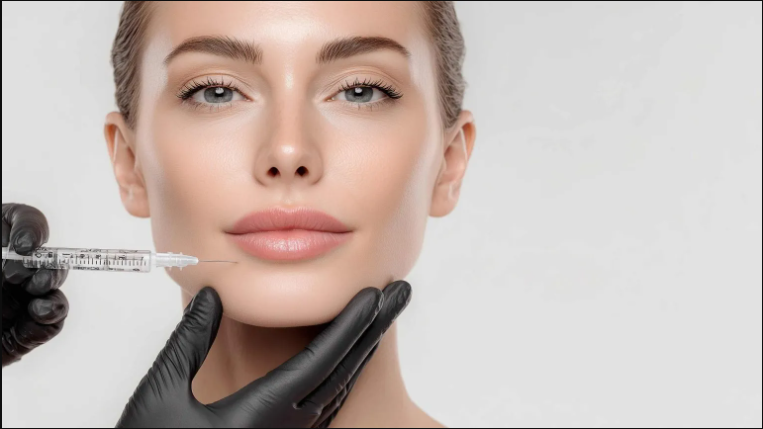
Injectable techniques are shifting toward micro-dosing, facial balancing, and preserving movement. At the same time, there is increased demand for corrective and dissolving treatments as patients seek refinement rather than exaggeration.
From a marketing standpoint, this changes how results are showcased. Educational content, philosophy-driven messaging, and realistic outcomes tend to resonate more than dramatic before-and-after images.
5. Patients Want Plans, Not One-Off Treatments
By 2026, single-treatment solutions feel incomplete. Combination treatments are becoming the norm because they address multiple concerns at once and support better outcomes.
Common combinations include injectables paired with energy-based devices, regenerative treatments layered with advanced facials, and structured pre- and post-treatment skin programs.
From a business perspective, combination plans also increase patient satisfaction and long-term value. They position the clinic as a strategic partner rather than a one-time service provider.
6. Wellness Is Part of the Aesthetic Conversation
The connection between skin health and overall wellness is becoming harder to ignore. By 2026, many clinics will take a more holistic approach to aesthetics.
This includes integrating IV therapy, nutritional support, and education around stress, sleep, and inflammation. Patients are starting to understand that what happens internally often shows externally.
Clinics that acknowledge this connection tend to build deeper trust and stronger relationships with their patients.
7. Retention and Loyalty Matter More Than Ever
In 2026, the focus is shifting from constantly acquiring new patients to building stronger relationships with the ones you already have. Many clinics felt the pressure over the past few years to keep filling their schedules with new bookings. However, patient loyalty, consistency, and lifetime value are where real growth happens.
Last year, skin membership programs gained momentum and will continue to grow in 2026. Memberships encourage preventative care, regular touchpoints, and long-term treatment planning. Beyond memberships, retention is shaped by experience. Clear treatment plans, thoughtful follow-ups, education, and communication all influence whether a patient returns or drifts elsewhere.
The clinics that perform best in 2026 will not be the ones chasing volume. They will be the ones building trust, loyalty, and long-term care relationships.
Final Thoughts: How to Prepare for 2026
Medical aesthetics in 2026 is defined by intention and personalization. The clinics that thrive will focus less on trends for the sake of trends and more on long-term value for their patients.
Now is a strong time to review your treatment offerings, refine your language, and invest in education-driven marketing. When strategy, science, and experience align, growth follows.
The future of medical aesthetics is thoughtful, refined, and patient-centered.