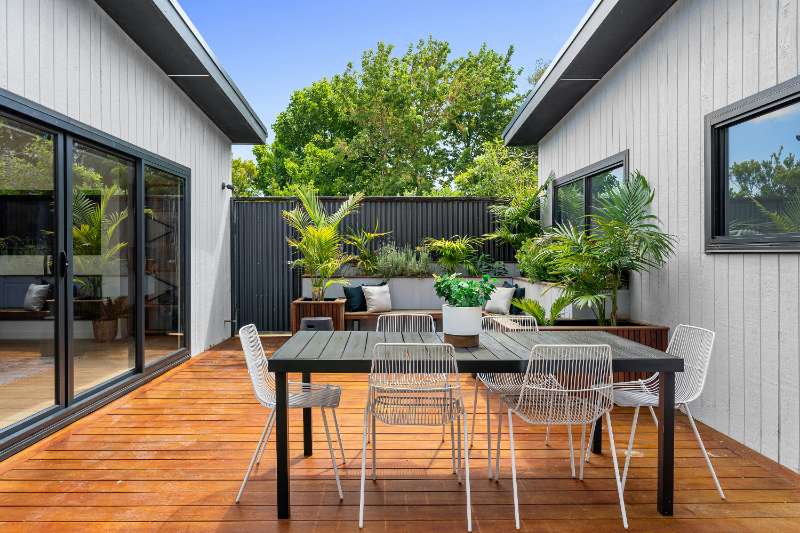
Outdoor areas never seem to stay clean for long. You can tidy everything up, step back, and it looks great… then a day later, there’s dust, leaves, or something else scattered across it again.
It’s just part of having a space that’s exposed to the elements. Add in regular use, and it doesn’t take much for things to start looking a bit worn or untidy.
The challenge is keeping it looking fresh without feeling like you’re always out there cleaning.
The good news is, it doesn’t have to take a lot of effort.
Why Outdoor Spaces Never Stay Clean for Long
It doesn’t take much for an outdoor area to lose that just-cleaned look. Even on a calm day, there’s always something settling on surfaces.
Dust builds up quickly, especially in open areas. If there’s any wind, leaves and small debris seem to appear out of nowhere. It’s the kind of mess that isn’t dramatic, but it’s enough to make the space feel a bit neglected.
Then there’s everyday use. Drinks get placed down, chairs get moved, and things don’t always go back exactly where they were. Over time, those small changes add up.
Because everything is exposed, it’s a constant cycle. You clean it, and the environment slowly undoes that effort.
The Most Common Mistakes People Make
One of the biggest mistakes is trying to stay on top of it by cleaning more often. It sounds like the obvious solution, but it usually turns into a lot of effort for results that don’t last very long.
Another common approach is leaving it until it looks noticeably messy, then doing a bigger clean. That works in the moment, but it can feel like you’re always catching up rather than staying ahead.
There’s also the habit of focusing on everything at once. Trying to clean the entire area every time can make it feel like a bigger job than it needs to be.
Most of the time, it’s not about how often you clean. It’s about how you manage the space in between.
Focusing on Prevention Instead of Constant Cleaning
A more effective way to keep things looking fresh is to stop the mess from building up in the first place. It takes far less effort to prevent dirt and wear than it does to clean it repeatedly.
This shift in approach changes how you look at the space. Instead of reacting to what’s already there, you’re putting small measures in place to reduce how much ends up there to begin with.
It doesn’t require a lot. Just being mindful of the areas that get the most exposure and focusing your effort there can make a noticeable difference.
Once that’s in place, the need for constant cleaning drops off. The space stays presentable for longer without needing as much attention.
Simple Ways to Protect Key Pieces
Outdoor tables tend to take the most impact. They’re used often, left exposed, and collect dust and debris quickly, which is why they’re usually the first thing to look worn.
Using a round outdoor table cover helps take a lot of that pressure off. It keeps the surface protected when it’s not in use, so you’re not starting from scratch every time you want to use it.
Instead of wiping everything down before sitting outside, you’re uncovering something that’s already clean and ready to go.
It’s a small change, but it makes the whole space feel easier to manage day to day.
Keeping Your Outdoor Area Low Maintenance
Once you shift your focus to prevention, the whole space becomes easier to manage. It’s less about staying on top of constant cleaning and more about keeping things under control.
A quick reset here and there usually does the job. Moving things back into place, brushing off surfaces, and clearing anything that’s been left out stops mess from building up.
It also helps to accept that not every part of the space needs the same level of attention. Focusing on the areas you use most makes a bigger difference than trying to keep everything spotless.
Over time, these small habits make the space feel much more manageable without adding extra work.
Enjoying the Space Without the Extra Work
At the end of the day, the goal isn’t to have a perfectly styled outdoor area. It’s to have a space you can actually use and enjoy.
When it’s easier to maintain, you’re more likely to spend time out there. Whether it’s a quick coffee, a meal, or just sitting outside for a bit, it becomes part of your routine instead of something you avoid.
A bit of mess is always going to happen, and that’s fine. What matters is that it doesn’t feel like a constant job to deal with.
When everything is set up to work with you, not against you, the space stays looking fresh without the extra effort.