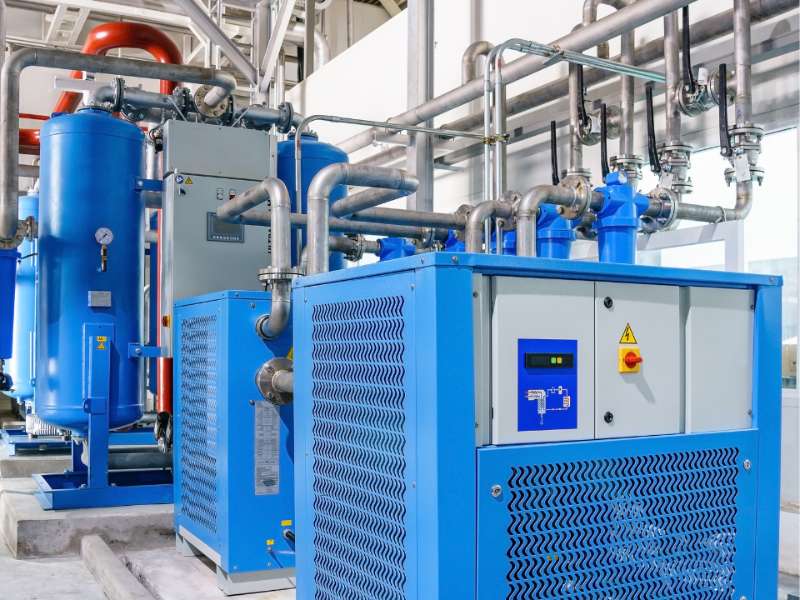
Have you ever considered the impact of dust and grime on your trusty air compressor? or your air compressor starting to sound a bit sluggish? Perhaps it isn't delivering as much power as it once did. These could be signs that it's time for a thorough cleaning. Regular cleaning isn't just about keeping your equipment looking good. It's about ensuring optimal performance and prolonging its lifespan. When dust, debris, and moisture accumulate within an air compressor, they can clog filters, obstruct airflow, and corrode internal components. This leads to reduced air output, increased energy consumption, and potential damage to your tools and machinery. By incorporating simple steps into your maintenance routine, you can keep your air compressor running smoothly and efficiently, preventing costly repairs and downtime down the road.
Don't worry if you're not a seasoned mechanic; we'll guide you through some straightforward cleaning steps that anyone can handle.
Cleaning the Air Intake Filter
The air intake filter is the first line of defence against dust and debris entering your air compressor. A clogged filter can restrict airflow, causing your compressor to work harder and potentially overheating. Start by turning off and unplugging your air compressor. Locate the air intake filter, usually a foam or paper element near the intake valve. Carefully remove the filter and inspect it. If it's lightly soiled, you can clean it with compressed air or a gentle brush. However, if it's heavily clogged or damaged, it's best to replace it with a new one. Remember to reinsert the filter securely before restarting your compressor.
Draining the Air Tank
Moisture buildup inside the air tank is a common issue, especially in humid environments. This moisture can lead to corrosion, reducing the lifespan of your tank and potentially contaminating the air supply. To drain the tank, first, make sure the compressor is turned off and the pressure is released. Locate the drain valve at the bottom of the tank. Open the valve slowly, allowing the accumulated water to drain completely. Close the valve tightly once all the water has been removed. It's a good practice to drain the tank after each use or at least once a week, depending on how frequently you use your compressor.
Checking and Cleaning the Air/Oil Separator
The air/oil separator plays a crucial role in preventing oil from entering the compressed air stream. A clogged or damaged separator can lead to oil contamination, affecting the quality of your air supply and potentially damaging your tools or equipment. Refer to your air compressor's manual for the specific location and cleaning instructions for the air/oil separator. Generally, it involves removing the separator element and cleaning it with a solvent or replacing it if necessary. Ensure the separator is properly reinstalled before operating the compressor again.
Inspecting and Cleaning the Aftercooler
The aftercooler helps to cool the compressed air, reducing moisture content and improving efficiency. Dust and debris can accumulate on the aftercooler fins, hindering its performance. To clean the aftercooler, carefully remove any external covers or guards. Use compressed air or a soft brush to remove dust and debris from the fins. Be gentle to avoid damaging the fins. If you notice any signs of damage or corrosion, consult a professional for air compressors repair or replacement.
Cleaning the Exterior and Internal Components
Finally, don't forget to clean the exterior of your air compressor. Wipe down the housing with a damp cloth to remove dust and grime. For internal cleaning, it's recommended to consult your compressor's manual or seek professional assistance, especially if you're not familiar with the internal workings.
Conclusion
Regular cleaning of your air compressor is a simple yet crucial step in ensuring its longevity and optimal performance. By following these basic steps, you can significantly reduce the risk of breakdowns, improve air quality, and extend the lifespan of your equipment. If you encounter any complex issues or require specialised air compressors repair services, don't hesitate to reach out to a qualified technician.
Need Help with Air Compressor Maintenance?
While cleaning your air compressor is a task most can handle, certain maintenance and repair jobs require specialised expertise. At All Air Compressor, we offer comprehensive air compressor maintenance and repair services to keep your equipment in top shape. Our experienced technicians can handle everything from routine cleaning to complex repairs, ensuring your compressor operates at its best. Contact us today to schedule a service appointment or learn more about our maintenance plans!