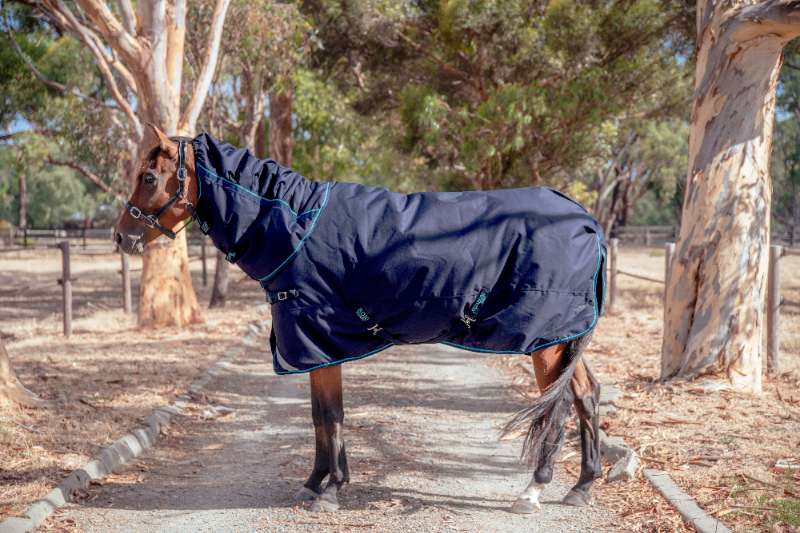
Rugs are essential items in most horses' wardrobes, so it’s important to know how to fit a horse rug correctly to ensure comfort both in and out of the stable.
Well-fitting rugs typically have a high cut over the withers to prevent rubbing and pressure around the withers and chest. Modern designs include darts, shaping, and lightweight, flexible fabrics to ensure a good fit that stays in place. It’s worth shopping around to find the ideal shape for your horse.
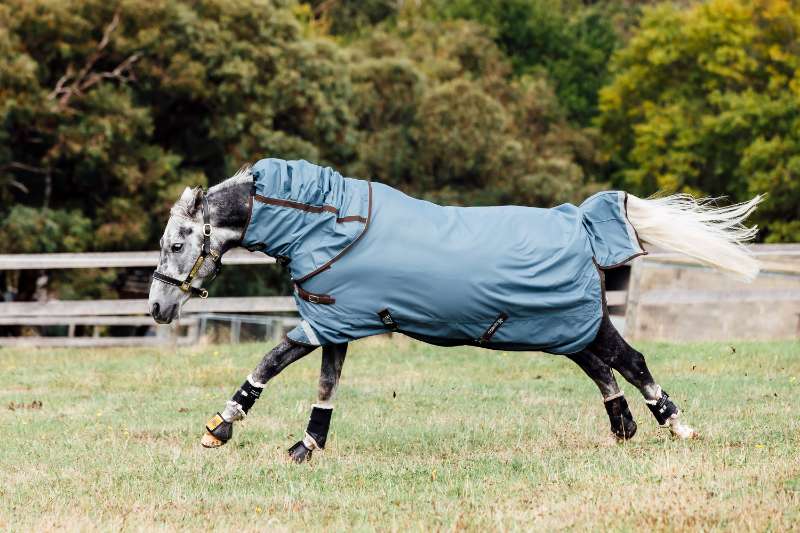
For horses that tend to be active in the field, shoulder vents are a good idea. It’s also wise to look for rugs with enough depth to cover the horse’s belly. In stable rugs, where less movement is required, you may prefer a design that wraps around underneath and fastened snugly.
Many turnout rugs claim to be self-righting, but this largely depends on the cut and fit. It’s crucial to find one that suits your horse’s size and shape, ensuring all darts are correctly positioned and leg straps are at a comfortable height.
How to Fit a Horse Rug: Sizing
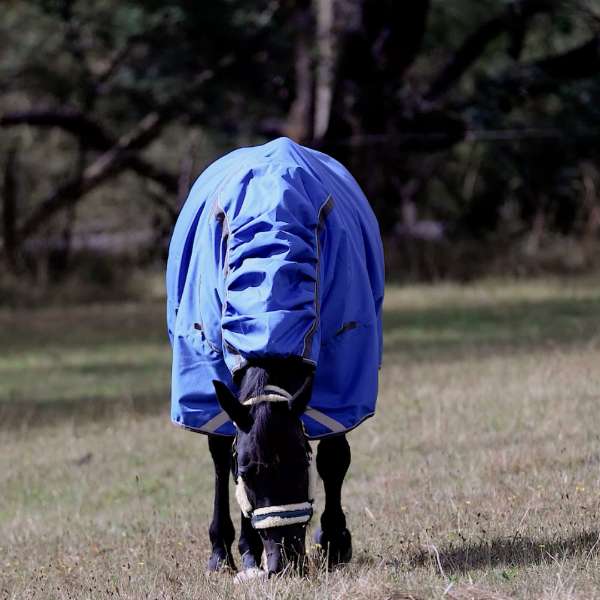
Turnout rugs, coolers, and stable rugs are usually measured horizontally from the centre of the chest to the end of the rump in feet and inches. Use a soft tape measure that will bend around the horse’s curves. Rug sizes are typically manufactured in three-inch increments. When measuring your horse, some manufacturers advise adding an extra three inches for well-built horses.
Some European brands measure rugs from the withers horizontally across the back to the top of the tail in centimetres. While all sizings are theoretically the same, the cut may vary from brand to brand, so it's beneficial to shop around for the best fit. Confirming sizing estimates with a similarly built horse in your yard or checking out rug reviews can be helpful.
Does it Fit?
Once you’ve measured your horse and bought the rug, it’s important to check the fit before turning the horse out. Try the rug on over a thin stable sheet to keep it clean if it needs to be exchanged.
First, assess how the rug fits over the whole body. The front of the rug should sit about three inches in front of the withers to reduce the risk of pressure sores. Can you fit your hand easily down the front of the rug? If not, it will restrict the horse’s movement.
The rug should stretch to the top of the tail (the seam above the tail flap, if there is one) to provide adequate protection from the elements. If it hangs below the top of the tail, it is too long.
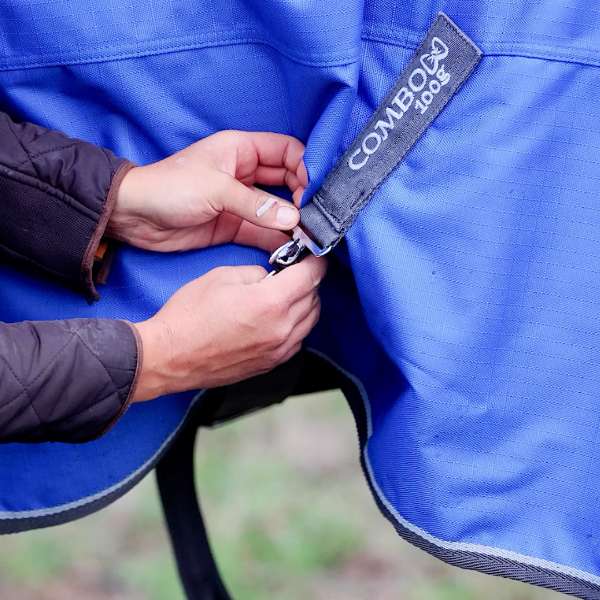
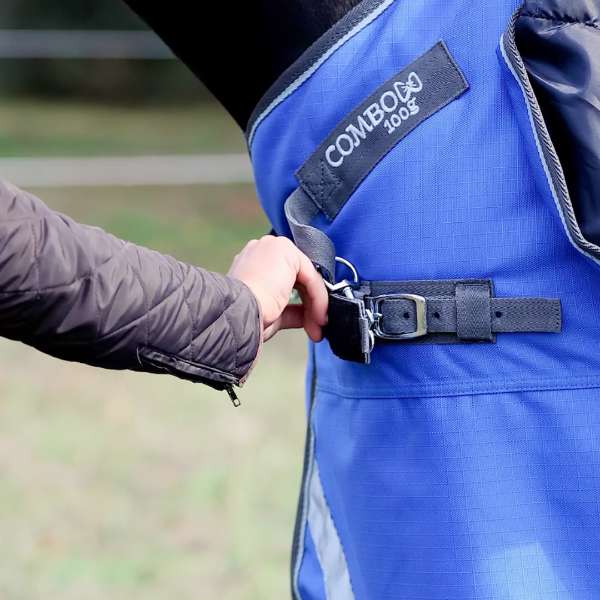
Next, check all the straps, surcingles, or fillet strings. The hindleg straps should fasten in a figure-eight pattern, with each strap going around the inside of each leg and looping through the other to prevent chafing. Ensure there is a hand-width of space between each strap and the horse’s leg to avoid restricting movement. If there is a fillet string under the tail instead of leg straps, ensure it is short enough to keep the rug in place on windy days or when the horse rolls.
The belly straps, or surcingles, should also allow a hand-width of space between the strap and the horse’s tummy. If they are too long, the horse may get tangled in them; if too short, they will rub.
How to Fit an Exercise Rug
The advice above relates to stable rugs, outdoor rugs, and coolers that cover the horse’s body. For exercise rugs, a different sizing guide is required. These are sold in smaller sizes than other rugs. It’s important to ensure freedom of movement while exercising, without excess fabric that might get caught on bushes or flap around and spook the horse.
Innovative Horse Rugs by Bow Horse
At Bow Horse, we are committed to delivering value and quality. While we maintain competitive prices, we never compromise on quality. We’re not just about selling, we are also committed to providing exceptional customer service. You can reach out to us via email, Facebook, or Instagram and we’ll be more than happy to assist you.
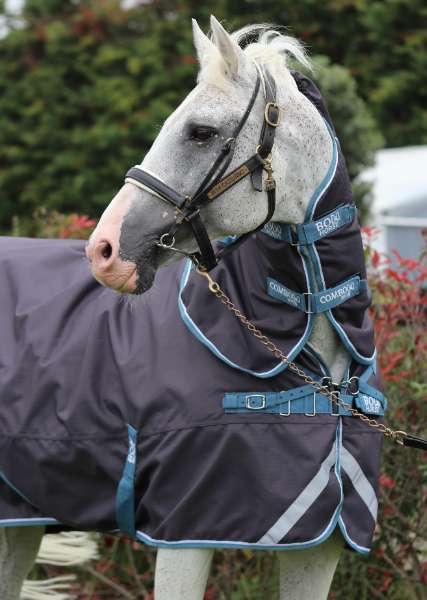
Whether you are looking for a fly or summer sheet to keep your horse cool and protected, or a winter rug for those cold rainy days, we’ve got you covered.