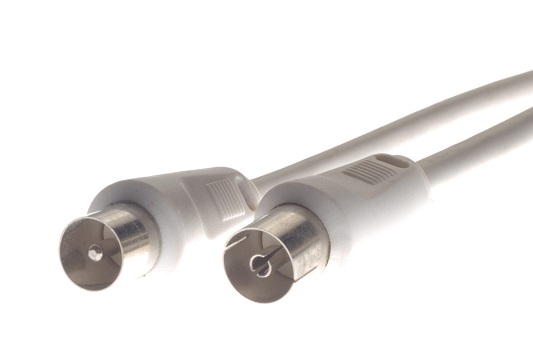
If you have had problems getting a signal for your radio or television, then you probably need an RF Antenna cable. Knowing what connects with the wires is something you need to know in order to get the most out of your television or radio.
What you may not know is that there are adapters that put old connectors to new televisions and radios or new connectors into an old television. You should consult a local operator to help you with this as they can show the ideal model for your own individual needs.
The crucial thing to remember with antennae is that they do not boost signals. What they do is reduce the amount of interference and find the correct angle or polarisation to get the most out of the signal. If possible you should keep any obstacles clear and maintain a horizontal or vertical antennae connection.
With any antennae cable or coaxial cable, you need the correct connectors. A coaxial cable is an electrical cable with an inner conductor and a tubular insulted layer. The main types are often referred to as C or F connectors based on their shapes. There are lists online for all named products but they can broadly be grouped into miniature types, micro miniature types, sub, precision, flange and quick lock. Again, a local electrician or an experienced electrical sales assistant can show you what is appropriate for your television or radio.
It is worth noting that your antennae can be affected by radio output power, receive sensitivity, cable impedance, cable type and obstacles. Knowing about these factors can make sure you get the best possible signal. The power of your antennae is measured in watts or milliwatts. As the output increases, it increases demand on the power supply. If your main power supply is solar or batteries, use the minimum output.
Receive sensitivity refers to the measure of signal decoding and the lower this is measured the better. You should also monitor receive distance and transmit power. The further you are away from the receiver you should compensate with a higher transmit power. The key thing with the cable itself is it should be around 50 ohms. You should have a cable that reduces impedance as much as possible. If you are in any doubt about the ideal connection you should discuss this with AntennaPros, a reliable and most trusted antenna specialist in Waterloo.