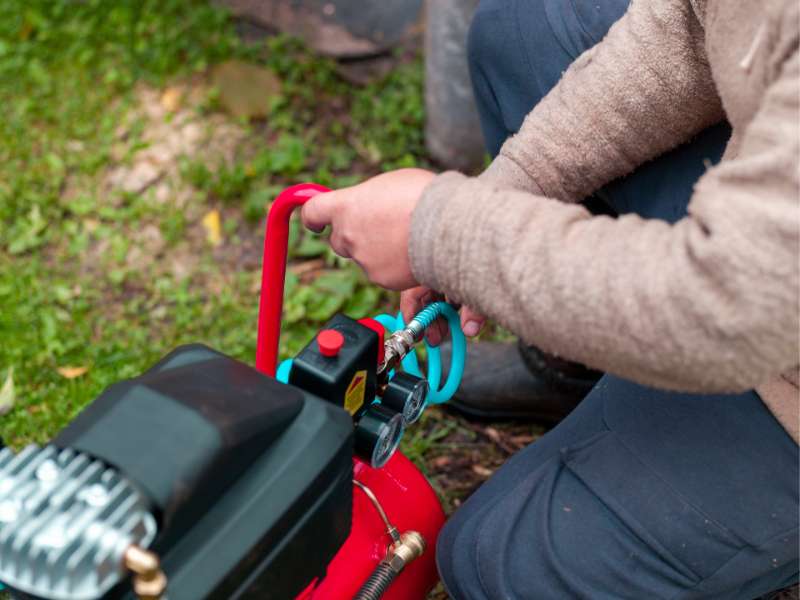
Since air compressors are indispensable in industries dealing with manufacturing and construction, regular maintenance is warranted to further ensure efficiency. Failure to service the air compressor results in expensive repairs, loss of operation time, or an overall breakdown of a particular system. Fortunately, most routine maintenance can be performed by a business if it has the proper knowledge. So, how does one service an air compressor? This guide will help walk you through the process and give you tips on how to maximise life out of your compressor.
Why Regular Air Compressor Service Is Important
Regular air compressor service prevents sudden failures besides maximising efficiency. When you follow a routine maintenance schedule, you extend the life of key components such as motors, filters, and belts. Poorly serviced air compressors can show pressure drops, overheat, or contaminate their oil-all issues that will negatively affect performance. Neglect of maintenance may also lead to a rise in energy consumption, hiking the overall cost of operation for the company. Timely servicing will prevent problems and improve job site safety in general.
Step 1: Follow the Manufacturer's Maintenance Schedule
The maintenance of the air compressor, to start with, must be done according to the recommendation of the manufacturer. Almost all air compressors have a servicing schedule that shows how frequently the filter, belts, and oil levels in the machine have to be checked. This is an essential schedule to follow because each model has requirements different from others. For instance, rotary screw compressors can require oil change frequently compared to other models such as the reciprocating compressors. This will help avoid wear and tear in the machine parts and make your compressor always run easily.
Step 2: Check and Replace Filters
One thing that is certain is that filters help keep your compressor clean from dust and dirt. The problem with these filters is that after some time, they get clogged, which reduces airflow, thus making the compressor work much harder than it should. In most cases, it's suggested the air intake filter and the oil filter be checked every 500 to 1000 hours of operation. For your compressor maintenance, this will involve the checking of these filters for buildup and replacement when necessary. Clean filters improve efficiency and protect the internal components from contaminants.
Step 3: Oil Check and Replacement
Basically, oil can be regarded as the lifeblood of many air compressors, especially in oil-lubricated models. This should be checked once a week and changed regularly according to the prescription of the manufacturer. The problem with dirty oil is that it causes friction, overheating, and will eventually lead to mechanical failure in cases where that is not checked. When you change the oil, ensure it is changed with the right type and grade recommended for your particular compressor. This would mean optimal performance and avert extra wear to moving parts.
Step 4: Drain the Condensate
All air compressors, but especially those operated in humid environments, store water during their operation. It can be in the form of condensate that collects in the tank, and if not regularly drained, it leads to rust or damage to its inner componentry. Get into the good practice of draining the condensate after every use to service your compressor properly. Most compressors have a drain valve at the bottom of the tank to easily release built-up water.
Step 5: Inspect the Belts and Vents

Belts and ventilation systems are the two highly important things for keeping up the performance of an air compressor. Over time, belts will wear down or loosen, which has implications for the efficiency in performance because the output power is reduced. Ensure frequent inspection on the belts, whether they show signs of wear, fraying, or slipping. Replace them when needed. Also, keep all the places around the ventilations clean and free from blockages. Good airflow prevents overheating and maintains smooth running of the compressor.
Step 6: Keep the Compressor Clean
Accumulation of dust, dirt, and oil on your compressor can weaken its efficiency. Take the time to clean down the exterior of the unit when servicing, removing any accumulated grime. This will help not only with the performance but also in prolonging the life of your machine. Cleaning should be done at least once a month or more frequently in environments prone to dust to avoid problems related to overheating and airflow restriction.
Step 7: Test the Safety Features
Generally, one of the highly overlooked areas of maintenance with regards to air compressors pertains to safety features testing. Most of the compressors are designed with safety valves, pressure switches, and temperature sensors. Testing them on a regular basis will ensure that all these work properly. A malfunctioning safety valve may lead to catastrophic failure at high pressure, so it is important to know that all the safety mechanisms are put in and working.
Step 8: Listen for Unusual Noises and Look for Leaks
Listen carefully to your air compressor for rattling or knocking noises, which may be the first indication of impending mechanical failure. Besides this, take your time and inspect the hoses, fittings, and tanks for air leaks. Even small leaks can have your pressure drop and also result in more frequent running of the compressor. All this contributes to increased energy use and system wear.
Conclusion
It may seem daunting, but serving an air compressor is quite necessary to ensure that such a gadget serves for long with high performance. Just follow the routine maintenance schedule, pay attention to some other things like filters, oil, and belts, and it will save you lots of costly breakdowns, making sure your equipment is working at peak efficiency. Remember, a well-maintained compressor saves money on repairs, reduces downtime, and boosts overall productivity. So, don't wait any longer, and follow these easy steps to keep your air compressor in the best possible shape for long-term reliability.
In fact, follow these best practices and ensure that your air compressor continues to be one of the most important assets to operations for years to come.
Keep Your Air Compressor Running Smoothly
Don’t wait for a breakdown to service your air compressor! Whether you need routine maintenance, repairs, or expert advice, our team is here to help. Contact us today for professional air compressor service and ensure your equipment stays in peak condition. With our reliable servicing and rental options, you can trust us to keep your operations running efficiently.
Schedule your service with All Air Compressors today! Or request a service online now