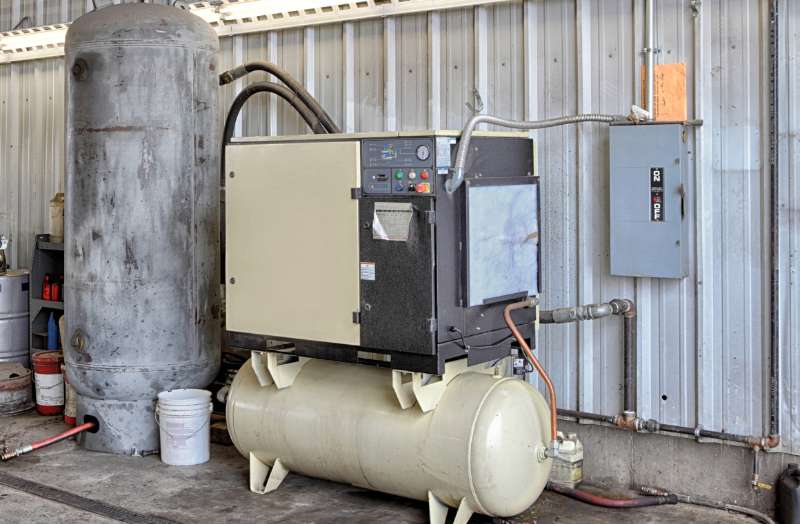
Winter is one of the toughest seasons for air compressors. Cold temperatures thicken oil, accelerate moisture build-up inside tanks and pipes, and put extra strain on motors at start-up. For businesses that rely on compressed air every day, these seasonal changes can cause breakdowns at exactly the wrong time.
Knowing how to maintain your air compressor in winter is one of the most practical things a business owner can do to protect a significant piece of equipment. The good news is that it is straightforward. A few consistent habits before and during the cold months protect your equipment, reduce running costs, and extend the working life of your system.
Read Also: Air Compressor Service: What Actually Happens Inside the Machine
What Does Cold Weather Do to a Compressor?
Three things happen when temperatures drop, and each one affects a different part of your system:
- Oil thickens. Compressor oil lubricates moving parts and regulates heat. In cold conditions, it flows more slowly, meaning parts run with reduced lubrication in the first minutes after start-up. This is when wear happens fastest.
- Moisture increases. Cold air holds less moisture than warm air. When compressed, that moisture condenses into liquid water inside your tank and pipes, causing rust, corrosion, and in freezing conditions, ice blockages in valves and drain points.
- Start-up becomes harder. A cold motor working through thick oil draws more electrical current than usual. Without preparation, this puts real strain on the motor and raises the risk of overload damage.
Understanding these three issues makes it easy to see why the maintenance steps below matter.
Check and Change Your Oil Before the Cold Sets In
If your oil is due for a change, do it before winter, not after problems appear. Fresh oil flows better in low temperatures and gives your motor the cleanest possible start each day.
When inspecting your oil, check both the level and the condition:
- Clear and amber means the oil is healthy and no action is needed
- Dark or gritty means it is overdue for a change
- Milky or cloudy means water contamination is present and you should change it immediately
A milky colour is a warning sign. It means moisture has already entered your system and needs to be addressed before it causes corrosion throughout your pipework. For compressors stored in unheated spaces, ask your supplier whether a lower-viscosity oil is appropriate for your operating temperatures.
Drain Your Tank Every Day
In warmer months, weekly draining is usually enough. In winter, drain your receiver tank at the end of every working day.
As cold air is compressed and cools inside the tank, moisture settles at the bottom. Left there, it corrodes the tank from the inside and contaminates the air reaching your tools.
If your system uses automatic drain valves, run through this quick check at the start of winter:
- Confirm the valve opens and closes on its cycle
- Check for ice or frozen condensate around the valve body
- Listen for water being discharged, as silence during drainage cycles can mean a blockage
A drain valve that looks functional but is frozen or blocked is one of the most common hidden causes of internal tank rust during the colder months.
Inspect Hoses, Filters, and Fittings
Cold causes rubber to contract and stiffen. Before winter, walk your pipe network and look for the following:
- Cracked or brittle hoses, especially at bends and connection points
- Loose fittings, as thermal contraction can loosen joints that were tight in summer
- Rust or moisture around connectors, which is a sign of existing slow leaks
- Clogged intake or line filters, since cold and damp air clogs filters faster than dry summer air
A blocked intake filter forces the motor to work harder for the same output, raising running costs and wearing out components prematurely. Check filters more frequently in winter than your usual schedule, and aim for monthly checks during the coldest period.
Make Sure Your Air Dryer Is Ready
Your air dryer removes moisture from compressed air before it reaches your tools and pipework. In winter, it works harder than at any other point in the year.
Watch for these signs that your dryer is not keeping up:
- Water droplets appearing at tool connections or hose ends
- Tools losing power or behaving inconsistently
- Rust forming around outlet fittings or valve bodies
If your dryer is approaching its service interval, bring it forward before the cold season begins. A well-maintained air dryer in winter protects not just the compressor, but every tool and piece of equipment connected to your system.
Read Also: How Long Should an Air Compressor Last? Key Factors & Maintenance
Allow a Warm-Up Period and Shelter Your Equipment
Two simple habits that cost nothing but make a real difference in winter:
- Warm up before full load. Give the compressor two to five minutes after start-up before running tools at full demand. This allows oil to circulate and reach operating temperature before the motor carries a heavy load, reducing internal wear noticeably over a full season.
- Protect it from the elements. Where possible, shelter your compressor from direct frost, rain, and wind overnight. Move it indoors or under a roof if you can. Even basic protection reduces how hard the system works from a cold start each morning.
Book a Professional Service Before Winter Starts
The steps above can all be done in-house. But a professional inspection before winter identifies problems that are not visible from the outside, including:
- Deteriorating internal seals and gaskets
- Valve wear affecting pressure regulation
- Motor condition and electrical connections
- Components approaching the end of their service life
Catching these early costs far less than calling for an emergency compressor repair in Sydney mid-season. An unplanned breakdown in winter does not just mean a repair bill. It also means lost production during your busiest period, often with a premium call-out fee on top.
All Air Compressors provides professional air compressor servicing in Sydney and across New South Wales. Our air compressor servicing and repairs team offers Preventative Maintenance Plans designed to keep your system running reliably through every season.
CALL PETER TODAY FOR YOUR AIR MAINTENANCE AND SERVICES