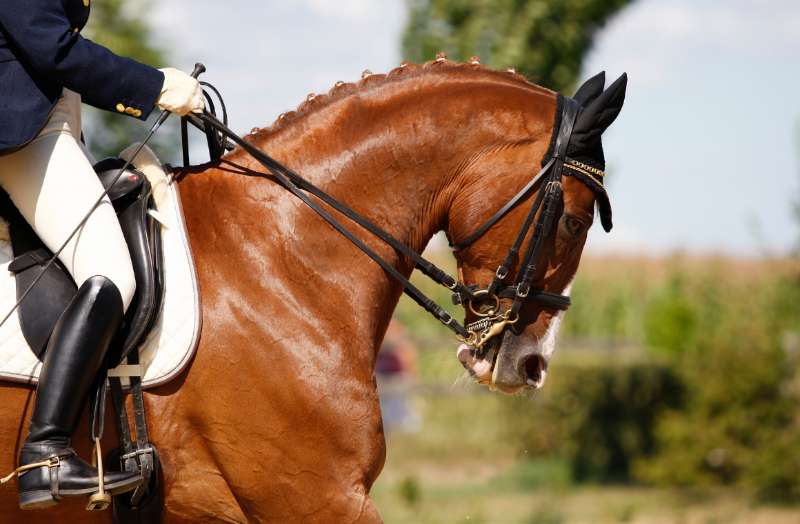
Quality leather tack is an investment in your horse’s comfort, rider safety, and long-term performance. Regular cleaning removes sweat, dust, hair, and grime that can dry out or weaken leather over time. Conditioning also helps maintain softness and reduce cracking.
Use this practical guide to care for your saddle, horse bridles, reins, breastplates, and girths.
What You Need
Before cleaning your leather tack, prepare:
A soft tack sponge
Clean, lukewarm water
Saddle soap or leather cleaner
A soft-bristled brush
Clean cloths
A suitable leather conditioner
Always follow the instructions supplied with your cleaning product. Test new products on a small, less-visible area first because some cleaners and conditioners may alter the leather’s colour.
FF Equestrian also offers a range of leather cleaning products developed to help clean, condition, and protect equestrian tack.
1. Remove the Tack Components
Place the saddle securely on a saddle stand and remove all detachable parts, including the girth, stirrup leathers, breastplate, and saddle pad.
Bridles should also be taken apart when completing a deep clean. Separating the components makes it easier to clean around buckles, keepers, stitching, and adjustment holes.
Take a photo before disassembling complicated tack so you can reassemble it correctly.
2. Remove Surface Dirt
Use a soft, slightly damp cloth to wipe away loose dust, hair, dried mud, and sweat.
Pay particular attention to areas that regularly touch the horse, including the underside of the saddle flaps, girth straps, reins, crownpiece, cheekpieces, and noseband.
A quick wipe after every ride prevents dirt from building up and makes future cleaning easier.
3. Clean the Leather
Dampen a tack sponge with lukewarm water and squeeze out the excess. Apply a small amount of saddle soap or leather cleaner, following the product directions.
Work across the leather in small sections using gentle circular movements. Use a soft brush around stitching, buckles, decorative areas, and other difficult-to-reach sections.
Avoid soaking the leather. Too much water can affect its finish, shape, and durability. Use a separate damp cloth to remove excess cleaner before it dries.
FF Equestrian recommends only occasional use of saddle soap rather than applying it to bridles every day.
4. Condition the Leather
Once the leather is clean, apply a light and even layer of leather conditioner with a soft cloth or sponge.
Allow the conditioner to absorb before buffing away any excess. Avoid applying too much, as oversaturated leather may feel sticky, attract dust, or become overly soft around important load-bearing areas.
FF Equestrian recommends conditioning new bridles several times during the first two weeks to lubricate the leather fibres. Once the leather becomes soft and properly conditioned, occasional maintenance every one to two months may be sufficient. The brand specifically advises against using liquid oil.
For more product-specific guidance, read the complete Leather Care Instructions.
5. Care for Patent Leather Separately
Patent leather requires different care from standard leather. Avoid abrasive brushes and harsh cleaners that may damage its glossy surface.
Wipe patent sections gently with a clean cloth. FF Equestrian recommends using only a minimal amount of petroleum jelly when cleaning patent leather.
6. Allow Tack to Dry Naturally
Leave the cleaned tack in a shaded, ventilated area until it is completely dry.
Do not place leather near heaters, direct sunlight, hair dryers, or other concentrated heat sources. Excess heat can remove moisture from the leather and lead to stiffness or cracking.
Store the saddle on a suitable stand to maintain its shape, and avoid placing heavy equipment on top of it.
7. Inspect the Tack for Damage
Cleaning provides a good opportunity to check every component for wear. Inspect for:
Cracked, stretched, or unusually soft leather
Loose or damaged stitching
Bent, rusted, or weakened hardware
Enlarged adjustment holes
Worn buckle areas
Damaged clips or D-rings
Pay close attention to safety-critical equipment such as girth straps, reins, stirrup leathers, and breastplate attachments.
Replace damaged components before riding. Riders can also review FF Equestrian’s bridle fitting guide to ensure cleaned tack is reassembled and fitted correctly.
How Often Should Horse Tack Be Cleaned?
Wipe away sweat and dirt after every ride. A more thorough clean may be needed after muddy rides, competitions, exposure to rain, or periods of frequent use.
Conditioning frequency depends on the leather, climate, storage environment, and how often the equipment is used. Tack stored in hot or dry conditions may require more attention, while excess conditioning should be avoided.
Keep Your Leather Tack in Excellent Condition
Regular cleaning, careful conditioning, and proper storage can help extend the working life of your equestrian equipment. Always use products suited to the leather type and inspect every component before placing it back on your horse.
Explore FF Equestrian Australia for anatomically designed bridles, reins, breastplates, girths, leather-care products, and handcrafted saddlery equipment.
Shop Leather Cleaning Products