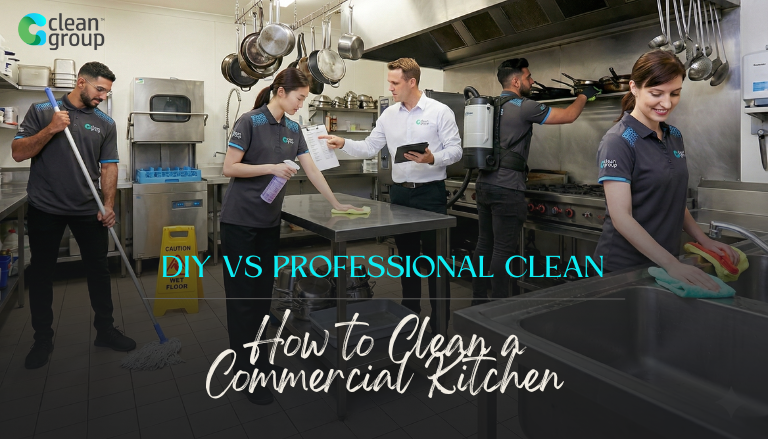
If you're running a café, restaurant, or any food business in Sydney, you already know this: a clean commercial kitchen isn't optional. It's the law, and it's the difference between passing your next health inspection and facing fines or closure.
The question isn't whether to clean your kitchen—it's whether to do it yourself or hire professionals. Let's break down both options honestly, so you can make the right call for your business.
What Makes Commercial Kitchen Cleaning Different?
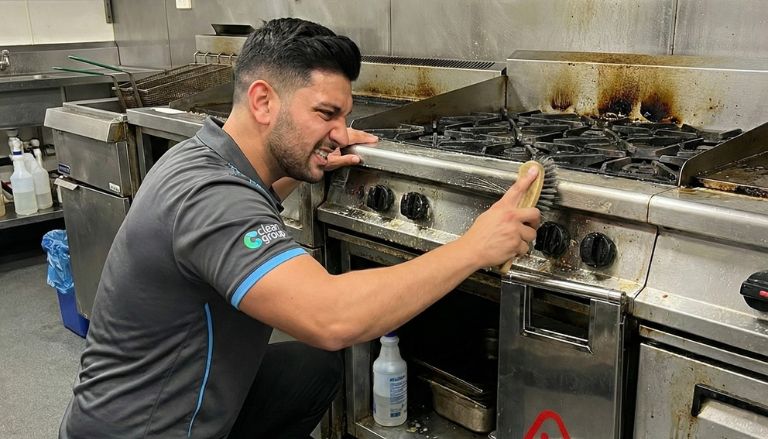
Your home kitchen and your commercial kitchen are worlds apart.
At home, if you miss a spot behind the toaster, nobody cares. In a commercial kitchen, that missed spot could fail you on a health inspection. The NSW Food Authority doesn't care if you're busy or understaffed—they care about compliance, food safety, and proper sanitation.
Here's what's at stake:
Health and Safety Regulations Every commercial kitchen in Australia must meet strict food safety standards. This isn't a suggestion—it's mandatory under the Food Standards Code. Regular deep cleaning, proper sanitisation, and documented cleaning schedules are all part of staying compliant.
Real Consequences Skip your cleaning duties and you're looking at:
Health code violations and fines ($10,000+ in some cases)
Temporary closure orders
Reputation damage (health violations make the news)
Insurance complications
Staff illness and absenteeism
The Compliance Factor Unlike residential cleaning, commercial kitchen cleaning requires specific methods, food-safe products, and documentation. You need to prove you're cleaning properly, not just say you are.
What Actually Needs Cleaning?
Let's get specific about what a commercial kitchen cleaning routine looks like.
Every Single Day
Food Prep Areas All benches, cutting boards, and food contact surfaces need cleaning and sanitising after each use. This isn't negotiable—it's basic food safety.
Cooking Equipment Grills, stovetops, fryers, and ovens need wiping down and degreasing daily. Grease buildup isn't just gross—it's a fire hazard.
Floors Sweep after each service period, mop at day's end. Commercial kitchen floors get filthy fast with all that foot traffic, spills, and dropped food.
Sinks and Drainage Clean and sanitise all sinks. Clear drains and grease traps daily to prevent blockages and odours.
Bins Empty, clean, and sanitise bins. Nobody wants to start the day with yesterday's rubbish smell.
Weekly Deep Cleans
Equipment Breakdown Pull apart and deep clean ovens, grills, fryers. Get into all the places grease loves to hide.
Exhaust Hoods and Filters These catch all the grease from your cooking. Clean them weekly or risk fire hazards and failed inspections.
Cold Storage Deep clean walk-in fridges, freezers, and cool rooms. Check seals, clean coils, organise stock.
Walls and Splash Zones Where there's cooking, there's splatter. Clean all wall surfaces, especially behind equipment and around cooking stations.
Monthly Tasks
Canopy and Ductwork This is the big one. Your exhaust system needs professional cleaning to prevent grease fires and maintain proper ventilation.
Deep Floor Treatment Strip, clean, and reseal floors. Commercial kitchen floors take a beating and need proper maintenance.
Ceiling and Ventilation Clean ceiling tiles, vents, and air conditioning filters. Grease vapor rises, and it all ends up above you.
Behind and Under Equipment Move everything and clean underneath. This is where pests love to hide, so stay on top of it.
The DIY Approach: Can You Handle It?
Yes, you can clean your own commercial kitchen. Here's what that actually involves.
What You'll Need
Cleaning Products
Commercial-grade degreaser (not the stuff from Woolworths)
Food-safe sanitiser approved for commercial use
Heavy-duty floor cleaner
Stainless steel cleaner
Oven and grill cleaner
Bin sanitiser
Budget around $300-500 to stock up properly.
Equipment
Industrial mop and bucket
Scrubbing brushes (various sizes)
Pressure washer (for floors and external areas)
Steam cleaner (for deep cleaning and sanitising)
Scrapers and degreasers
Microfibre cloths (lots of them)
You're looking at $1,000-2,000 for decent equipment, more if you need a commercial pressure washer.
Safety Gear
Chemical-resistant gloves
Safety goggles
Non-slip shoes
Aprons
Respirator mask (for heavy chemical use)
The Actual Process
Morning Prep (15-20 minutes) Before you start cooking for the day, do your basic setup cleaning. Wipe all surfaces, check equipment is clean, empty overnight bins.
After Service Deep Clean (2-3 hours) This is when the real work happens, after you've closed for the day.
Step 1: Clear and Prep Move everything that can be moved. You can't clean what you can't reach.
Step 2: Equipment Cleaning Break down grills, fryers, ovens. Soak removable parts in degreaser. While they're soaking, tackle the fixed equipment. This takes the bulk of your time—expect 60-90 minutes for a thorough job.
Step 3: Surfaces and Walls Work top to bottom. Start with walls and work down to benches. Use proper degreaser, not just soapy water. Grease needs grease cutters.
Step 4: Floors Sweep thoroughly first. Then apply degreaser to problem areas and let it sit for 5-10 minutes. Scrub with a stiff brush, then pressure wash or mop. Finish with a sanitising rinse.
Step 5: Final Sanitisation Once everything's clean, go back with food-safe sanitiser. This step is crucial—cleaning removes dirt, sanitising kills bacteria.
Total Time Required
Basic daily clean: 45-60 minutes
Thorough after-service clean: 2-3 hours
Weekly deep clean: 4-6 hours
Monthly full clean: 8-10 hours
And that's if you know what you're doing and move fast.
The Reality Check: Why DIY Is Harder Than It Looks
Let's be honest about what DIY commercial kitchen cleaning actually means for your business.
It's Physically Exhausting After a full day of cooking and serving, spending 3 hours scrubbing grease off exhaust hoods is brutal. Your staff are tired, they want to go home, and cleaning quality suffers when people are knackered.
Time Is Money If you're paying a chef $35/hour to clean instead of cook, you're losing money. Three hours of cleaning = $105 in wages, and that's before considering the lost prep time for the next day.
Compliance Is Tricky Miss a spot, use the wrong product, or skip documentation, and you're risking your health licence. Most kitchen staff aren't trained in proper commercial cleaning standards.
Consistency Is Hard Monday's clean might be thorough. Friday's clean after a hectic week? Not so much. Inspectors don't care if you were busy—they care if you're compliant.
Equipment Costs Add Up Quality commercial cleaning equipment isn't cheap. A decent pressure washer alone costs $800-1,500. Steam cleaners are $500+. Then there's replacement costs when things break.
You'll Miss Stuff Be honest—when was the last time you deep cleaned behind your fridges? Or properly degreased your extraction system? DIY cleaning tends to focus on visible areas and skip the hidden spots that inspectors notice.
Injury Risk Commercial cleaning involves heavy lifting, harsh chemicals, and working in wet, slippery conditions. Staff injuries mean workers comp claims, lost time, and potential liability issues.
What Professional Commercial Kitchen Cleaning Looks Like
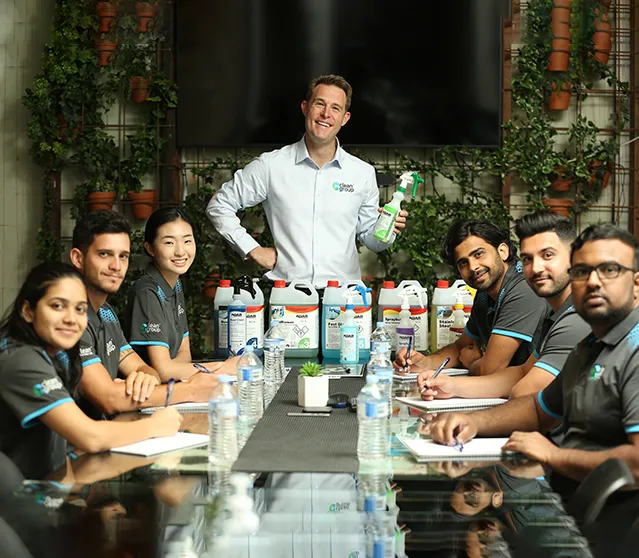
Professional kitchen cleaners do this for a living. Here's what you're actually getting when you hire them.
Comprehensive Service
A professional service covers everything, systematically and thoroughly:
Complete equipment breakdown and cleaning
Exhaust system and canopy degreasing
Floor scrubbing and sanitisation
Wall and ceiling cleaning
Cold storage deep cleaning
Proper documentation for compliance
The Professional Advantage
Speed and Efficiency: A three-person professional crew can deep clean a commercial kitchen in 2-3 hours. What takes your staff 6-8 hours, they knock out faster and more thoroughly. They're trained, they have systems, and they've done it hundreds of times.
Proper Equipment: Industrial pressure washers, commercial steam cleaners, specialised degreasing tools. Professionals bring equipment that actually works, not consumer-grade stuff that struggles with commercial grease.
Knowledge and Training: They know NSW Food Authority requirements. They understand which products are food-safe. They're trained in proper cleaning techniques for different surfaces and equipment types.
Compliance Documentation: Professional services provide cleaning logs, product safety sheets, and documentation for your health inspections. This alone is worth the cost when the inspector shows up.
Insurance and Liability: If their cleaner slips and gets hurt, that's their insurance problem, not yours. If equipment gets damaged during cleaning, they're covered. You're not wearing that risk.
Consistency: Same crew, same standards, every time. No "we were too busy" excuses. No sick days affecting your cleaning schedule.
The Middle Ground: Hybrid Approach
Many successful food businesses use a combined approach.