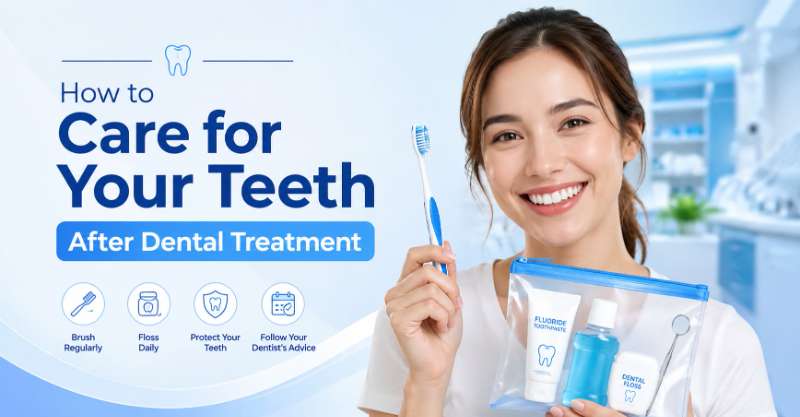
Dental treatment doesn’t end when you leave the clinic. The way you care for your teeth afterward can affect healing, comfort, and long-term results. Whether you’ve had a filling, crown, extraction, whitening treatment, or veneers, good aftercare helps protect your oral health and reduces the risk of complications.
Follow Your Dentist’s Instructions
Every dental procedure comes with different aftercare requirements. Your dentist may give you advice based on the treatment you received, your oral health, and how your teeth responded during the appointment.
This may include guidance about:
Eating and drinking
Managing sensitivity or discomfort
Cleaning around the treated area
Medications or rinses to use at home
Following these instructions closely helps support recovery and prevents unnecessary problems.
Be Careful with Food and Drinks
Your teeth and gums can feel sensitive after treatment, especially following procedures like fillings, crowns, whitening, or extractions. Certain foods and drinks may increase discomfort or interfere with healing.
For the first day or two, it helps to avoid:
Very hot or cold foods
Hard or crunchy snacks
Sticky foods that may affect restorations
Sugary drinks that can irritate sensitive areas
Soft foods and water are usually easier on your teeth while they settle after treatment.
Maintain Gentle Oral Hygiene
Keeping your mouth clean is still important after dental work, but brushing too aggressively can irritate sensitive areas. You should continue brushing and flossing while being mindful around the treated tooth or gum area.
A few simple steps can help:
Use a soft-bristled toothbrush
Brush gently around sensitive spots
Rinse with warm salt water if recommended
Avoid vigorous rinsing after extractions
Good oral hygiene supports healing and lowers the risk of infection.
Managing Sensitivity and Discomfort
Some treatments can leave your teeth temporarily sensitive. This is common after whitening, fillings, crowns, or deep cleaning procedures. In most cases, the discomfort settles within a few days.
You can reduce sensitivity by:
Using toothpaste designed for sensitive teeth
Avoiding acidic foods and drinks
Drinking water instead of very cold beverages
If discomfort continues or worsens, contact your dentist for advice.
Caring for Fillings and Crowns
Fillings and crowns restore damaged teeth, but they still require regular care. After placement, your bite may feel slightly different for a short time while your mouth adjusts.
To protect your restoration:
Avoid chewing hard foods immediately after treatment
Don’t use your teeth to open packaging or bite hard objects
Keep up with regular brushing and flossing
If a crown or filling feels loose or uneven, it’s best to have it checked promptly.
Aftercare Following Tooth Extractions
Extractions require extra attention during the healing period. The first 24 hours are especially important because the blood clot that forms protects the area while it heals.
After an extraction:
Avoid smoking or using straws
Rest and avoid heavy physical activity
Eat soft foods for the first day or two
Follow instructions about changing gauze if needed
Disrupting the healing area too early can lead to complications such as dry socket.
Looking After Whitening Results
Teeth whitening treatments can leave your teeth more prone to staining for a short period afterward. Foods and drinks with strong colour can affect the final result.
For the first 24 to 48 hours, it’s usually recommended to avoid:
Coffee and tea
Red wine
Dark sauces
Tobacco products
Sticking to lighter-coloured foods during this period can help maintain the whitening effect.
Protecting Veneers and Cosmetic Work
Veneers and cosmetic dental treatments are durable, but they still need proper care to maintain their appearance and function.
To keep them in good condition:
Avoid biting hard items like ice or pens
Wear a mouthguard if you grind your teeth
Attend regular dental check-ups
Clean around veneers carefully to protect your gums
Consistent care helps cosmetic treatments last longer and stay comfortable.
Watch for Signs That Need Attention
Some discomfort after dental treatment is normal, but ongoing pain or swelling may need further assessment. It’s important to monitor how your mouth feels in the days following treatment.
Contact your dentist if you notice:
Persistent pain that doesn’t improve
Swelling or bleeding that continues
Difficulty chewing or biting properly
A restoration that feels loose or damaged
Early attention can prevent more serious issues from developing.
Keep Up with Regular Dental Visits
Follow-up appointments help your dentist check how your teeth and gums are healing. Regular check-ups also help maintain the results of your treatment and identify any new concerns early.
Ongoing care may include:
Professional cleaning
Monitoring restorations or cosmetic work
Reviewing your brushing and flossing habits
Consistent dental visits support long-term oral health and help you avoid avoidable problems.
Final Thoughts
Caring for your teeth after dental treatment is part of protecting your oral health. Small habits like gentle brushing, avoiding hard foods, and attending follow-up appointments can make a noticeable difference in recovery and long-term results.
Get in touch with us if you're in search of professional dental care and support after your treatment: https://www.orisdental.com.au/