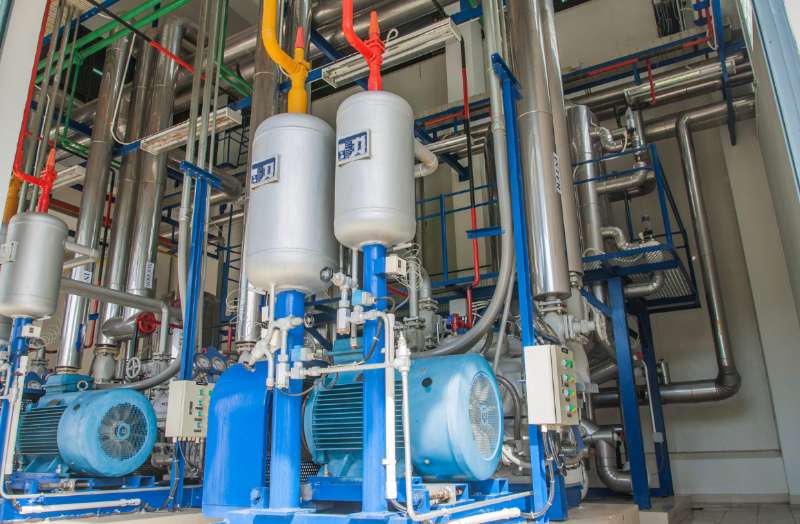
Most industrial air compressors fail not because of age, but because of missed servicing. The standard industry benchmark is every 1,000 to 2,000 operating hours, or at least once every 12 months. However, the right schedule for your business depends on how intensively your compressor runs, the environment it operates in, and whether your system meets current compressed air installation standards.
Why Regular Air Compressor Service Is Non-Negotiable
A well-maintained compressor runs efficiently, lasts longer, and is far less likely to break down at a critical moment. Moreover, regular servicing is often a requirement under Australian workplace health and safety regulations for pressurised equipment.
Skipping service intervals leads to:
- Accelerated wear on internal components such as valves, rings, and bearings
- Increased energy consumption as the unit works harder to maintain pressure
- Higher air compressor repair costs when minor faults are left to worsen
- Potential non-compliance with compressed air installation standards under AS 4041 and AS 1210
In short, the cost of a scheduled service is almost always less than the cost of an emergency repair — or worse, a full replacement.
What Does the Standard Service Schedule Look Like?
Most industrial compressor manufacturers and service specialists follow a tiered maintenance schedule based on operating hours:
Every 500 Hours (or Monthly for Heavy-Use Sites)
- Check and top up oil levels
- Inspect air and oil filters for blockage
- Drain moisture from separators and receivers
- Check belt tension and condition
- Inspect all fittings and connections for leaks
Every 1,000 Hours (or Every 6 Months)
- Replace air and oil filters
- Change compressor oil
- Inspect and test safety valves
- Check motor bearings and cooling fans
- Inspect inlet valves and check valves
Every 2,000 Hours (or Annually)
- Full internal inspection of valves and pistons
- Replace separator elements
- Test pressure switches and controls
- Full system leak test across piping and fittings
- Review compliance with compressed air installation standards
For compressors running two or three shifts per day, the annual threshold of 2,000 hours can be reached within six to eight months. Therefore, basing your schedule purely on the calendar rather than operating hours is a common — and costly — mistake.
How Sydney's Climate Affects Your Service Frequency
Sydney's coastal humidity adds an extra layer of maintenance consideration that many businesses overlook. Because ambient moisture levels are consistently high, compressed air systems in Sydney tend to accumulate water in the lines faster than those in drier inland locations.
As a result, moisture separators, air dryers, and receiver tanks require more frequent draining and inspection than the standard schedule suggests. Excess moisture in your compressed air lines causes internal corrosion, reduces tool performance, and can lead to contamination in production environments where air quality is critical.
If your compressor operates in a coastal or high-humidity environment, build monthly moisture checks into your routine — even if the unit is not yet due for a full service.
When to Call for Air Compressor Repair Between Services
Scheduled servicing catches most problems early. However, certain symptoms mean you should call a technician immediately, regardless of where you are in the service cycle:
- Unusual grinding, knocking, or squealing noises
- The unit is not building or holding pressure
- Visible oil leaks around seals or fittings
- The compressor is overheating or shutting down unexpectedly
- A sudden increase in energy consumption without a change in usage
Addressing these issues promptly prevents a minor fault from becoming a major air compressor repair job.
Does Your System Meet Compressed Air Installation Standards?
Service intervals are only part of the picture. If your compressed air system was installed without meeting Australian standards — particularly AS 4041 (Pressure Piping) and AS 1210 (Pressure Vessels) — your equipment may be operating outside safe and legal parameters regardless of how well it is maintained.
A qualified technician can assess your installation during a scheduled service and identify any compliance gaps. This is especially important for businesses that have expanded their compressed air system over time by adding new piping, fittings, or equipment without a formal inspection.
CALL US NOW
BOOK NOW
Frequently Asked Questions
How often should I service my air compressor in Sydney?
Every 1,000 to 2,000 operating hours, or at least once a year — whichever comes first. Sydney's humidity means moisture checks should be done more frequently.
What happens if I skip an air compressor service?
Skipped services lead to faster component wear, higher energy costs, and a significantly greater risk of breakdown. Repair bills from neglected units are almost always higher than the cost of routine servicing.
Can I service my industrial air compressor myself?
Basic checks like draining moisture and inspecting filters can be done in-house. However, internal inspections, valve replacements, and compliance checks should always be carried out by a qualified air compressor technician.
What compressed air installation standards apply in NSW?
The key standards are AS 4041 for pressure piping and AS 1210 for pressure vessels. A licensed technician can confirm whether your system meets current requirements during a scheduled service.
Does All Air Compressors offer ongoing service plans in Sydney?
Yes. All Air Compressors provides preventative maintenance plans tailored to your compressor type and operating hours — available 24/7 across Sydney and NSW.