Moisture buildup is one of the biggest challenges in maintaining an air compressor system. Whether you're using compressed air for manufacturing, painting, automotive work, or industrial applications, excess water in your system can lead to corrosion, poor equipment performance, and increased maintenance costs.
When moisture isn’t properly removed, it can cause rust inside tanks, clog air filters, and damage pneumatic tools. In some industries, like painting, food processing, and electronics manufacturing, even small amounts of water contamination can ruin finished products or compromise quality standards. That’s why keeping your air compressor system dry is essential for efficiency, reliability, and long-term performance.
Understanding the common problems caused by moisture is the first step. The next is knowing how to effectively remove water from your compressed air supply to prevent these issues before they start. Let’s look at why moisture accumulates, the damage it can cause, and the best ways to ensure a dry, moisture-free air supply for your system.
Read also: Water Separator for Air Compressors: Do You Really Need One?
How Moisture Gets Into an Air Compressor System
Moisture naturally occurs in compressed air systems because the air being drawn into the compressor contains humidity. The process of compression condenses this moisture into liquid water, which can cause serious problems if not removed.
Key Reasons Why Moisture Accumulates in Air Compressors:
Humidity in the Surrounding Air – The higher the humidity, the more water enters your compressor.
Air Compression Process – As air is compressed, its ability to hold moisture decreases, causing condensation.
Temperature Changes – Cooling compressed air can cause water to drop out and accumulate inside the system.
Inadequate Moisture Control – Without proper water separators, air dryers, and filtration, moisture remains in the system.
With moisture finding its way into your air compressor, it’s important to recognise the issues it can create.
Common Air Compressor Issues Caused by Moisture
1. Corrosion & Rust Formation
When water is left inside an air compressor tank, pipes, or fittings, it causes rust and corrosion over time. This can lead to:
Weakening of metal components, increasing the risk of leaks or bursts.
Restricted airflow, reducing system efficiency.
Contaminated air supply, which is harmful for applications like food processing and painting.
2. Equipment Damage & Malfunctions
Water in compressed air can cause serious damage to pneumatic tools and machinery, leading to:
Clogged air valves and lines, preventing proper tool operation.
Faster wear and tear on seals and gaskets, increasing maintenance costs.
Unexpected breakdowns, leading to downtime and lost productivity.
3. Poor Performance in Painting & Coating Applications
If you're using an air compressor for spray painting or powder coating, moisture contamination can cause:
Uneven paint application, leading to defects in the finish.
Blistering and bubbling due to water mixing with paint.
Reduced paint adhesion, impacting the durability of coatings.
4. Inefficient Air Drying in Industrial Processes
Industries such as food and beverage, medical, and electronics manufacturing require clean, dry air. Excess moisture can:
Damage sensitive equipment in precision applications.
Compromise sterile environments in medical and pharmaceutical industries.
Reduce the efficiency of desiccant dryers, increasing operating costs.
To prevent these moisture-related issues, here’s what you can do to maintain a dry and efficient air supply.
How to Maintain a Dry Air Supply in an Air Compressor System
Keeping moisture out of your compressed air system requires a combination of proper equipment, regular maintenance, and environmental control. The best approach depends on factors like humidity levels, air compressor usage, and industry requirements.
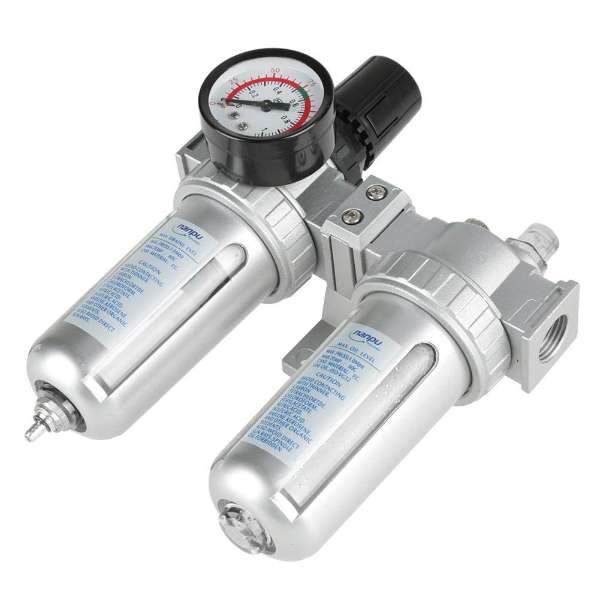
One of the most effective ways to remove water is by using a water separator air compressor, which filters out liquid moisture before it reaches tools or machinery. For applications requiring ultra-dry air, an air dryer system—either refrigerated or desiccant—can help eliminate remaining humidity.
Filtration is also crucial. A multi-stage filtration system with particulate, coalescing, and desiccant filters ensures clean, dry air free from both moisture and contaminants. Additionally, draining your air compressor tank regularly prevents water buildup at the bottom, reducing the risk of corrosion.
Environmental factors play a role as well. Using dehumidifiers or storing your compressor in a temperature-controlled space can help limit excess moisture in humid conditions. By combining these methods, you can extend the lifespan of your air compressor system, reduce maintenance costs, and improve overall efficiency.
Frequently Asked Questions (FAQs)
1. How do I know if my air compressor has too much moisture?
If you notice water pooling in hoses, rust inside the tank, or inconsistent tool performance, your system likely has excess moisture.
2. What’s the best way to remove water from compressed air?
A combination of water separators, air dryers, and filtration provides the most effective moisture removal.
3. Do I need both a water separator and an air dryer?
Yes, in many cases. A water separator air compressor removes bulk moisture, while an air dryer eliminates remaining humidity.
Conclusion
Moisture buildup in an air compressor system can lead to corrosion, equipment failure, and reduced efficiency, making it a serious concern for businesses that rely on compressed air. Without proper moisture control, you may face inconsistent performance, costly repairs, and downtime—all of which can impact productivity.
By implementing the right solutions—such as water separators, air dryers, and proper filtration—you can ensure clean, dry air, extend the lifespan of your equipment, and reduce maintenance needs. Regular tank draining, humidity control, and system checks also play a crucial role in keeping your compressor running efficiently.
At All Air Compressors, we understand the importance of reliable moisture control solutions. Whether you need a water separator, air dryer, or expert servicing, our team is here to help you find the best option for your system.