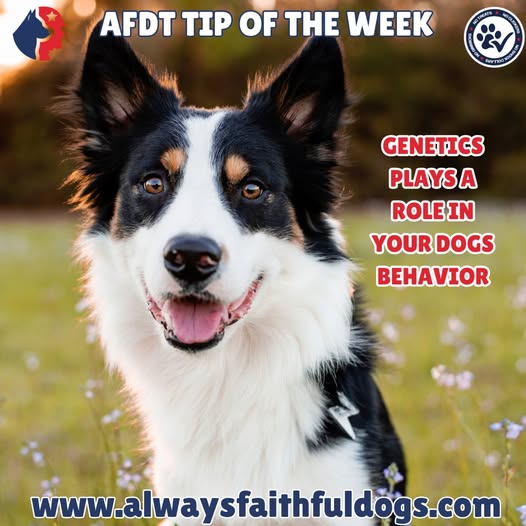
Understanding how genetics influence dog behavior is crucial for dog owners, trainers, and breeders. Just like humans, dogs inherit various traits from their parents, and these genetic markers contribute significantly to their temperament, intelligence, and response to different environments. In this article, we'll explore how genetics impact a dog's behavior, from aggression and fear to intelligence and socialization, and what dog owners can do to manage these traits.
Introduction: The Role of Genetics in Dog Behavior
Genetics play a significant role in shaping the behavior of dogs, influencing everything from personality traits to social skills and even their predisposition to certain health issues. While environmental factors such as training and upbringing are also crucial, understanding the genetic blueprint of a dog is key to managing its behavior effectively. Some behavioral traits are inherited, meaning that a dog’s parents and breed history can provide insights into the puppy’s future tendencies.
This guide will explore how genetics affect dog behavior, touching on specific behavioral traits linked to genetic inheritance, the impact of selective breeding, and how genetics interact with the environment to shape a dog’s overall behavior.
Genetics and Dog Temperament
Breed-Specific Behavioral Traits
One of the most notable ways genetics influence behavior is through breed-specific traits. Every dog breed was initially developed for a specific purpose, and this purpose greatly influences their temperament. For example, herding breeds such as Border Collies have a natural instinct to herd and chase, while retrievers like Labrador Retrievers have an innate drive to fetch and carry objects.
These breed-specific behaviors are passed down from generation to generation through genetic inheritance. A Border Collie will likely inherit its herding instinct even if raised in a non-farming environment, while a hunting breed, such as a Cocker Spaniel, will have a natural inclination to search for birds.
The Role of Genetics in Dog Personality
Dog personality traits such as being calm, excitable, shy, or aggressive can be influenced by genetics. Just like humans, dogs inherit certain predispositions to react in certain ways. For instance, dogs with calm and balanced parents are more likely to have a laid-back demeanor themselves. However, some dogs are naturally more energetic or excitable due to their genetic makeup, and these traits may require extra effort in training and management.
Aggression and Genetics: What’s the Link?
Aggressive Tendencies in Certain Breeds
Certain dog breeds are more predisposed to aggression due to the specific traits they were selectively bred for. For example, guarding breeds like Rottweilers or Doberman Pinschers are naturally more protective and territorial, making them more likely to display aggression towards perceived threats. However, it is essential to remember that while genetics may predispose a dog to aggression, environmental factors such as lack of socialization or traumatic experiences can also play a significant role in developing aggressive behaviors.
The Role of Dominance and Territory in Behavior
Genetically, some dogs are more likely to exhibit dominance-related behaviors, especially within the pack or household. Dogs with a strong genetic tendency for territorial protection may show signs of possessiveness over food, toys, or space. Guarding breeds like the German Shepherd and Bullmastiff often display these tendencies, which can be managed through training and proper socialization.
Fear and Anxiety in Dogs: Genetic Foundations
Dogs with Genetic Anxiety Tendencies
Genetics also play a role in how dogs react to stress, fear, and anxiety. Some dogs are more prone to anxiety due to their genetic makeup, exhibiting behaviors like excessive barking, pacing, or hiding during thunderstorms or when left alone. Breeds like Chihuahuas and Dachshunds are often more anxious and fear-prone compared to others.
The genetic basis for anxiety in dogs is still a subject of ongoing research, but it’s clear that some dogs are more naturally inclined to experience fear-based behaviors. Early experiences, such as poor socialization during puppyhood, can worsen these tendencies.
Coping with Fear and Anxiety in Dogs
Managing a dog with genetic anxiety can be challenging, but it's not impossible. A consistent and positive training approach, coupled with behavior modification techniques like desensitization or counter-conditioning, can help dogs learn to manage their anxiety. In some cases, medication prescribed by a vet may also be necessary to control more severe anxiety issues.
The Genetic Influence on Dog Socialization
Sociability in Dogs: Genetic vs. Environment
Social behavior in dogs—whether they are outgoing and friendly or reserved and aloof—can be heavily influenced by their genetics. Some dogs are naturally more social, eager to meet new people and dogs, while others may be more independent or even fearful of strangers. This is often seen in breeds like Golden Retrievers, which are typically friendly and sociable, compared to more independent breeds like the Basenji or Shiba Inu.
While genetics do play a significant role in how a dog interacts with others, early experiences and training can greatly impact their sociability. Dogs with naturally shy or reserved genetic tendencies may become more social with proper exposure and positive experiences.
Socialization Challenges in Genetically Reserved Dogs
For dogs that are genetically predisposed to being more aloof or reserved, socialization can be more challenging. It’s essential to start socializing these dogs early and continue exposing them to a variety of experiences in a calm, controlled manner. Positive reinforcement for calm behavior around new people, animals, and environments can help boost their confidence and make socialization easier.
Intelligence and Learning Ability: A Genetic Perspective
Breeds Known for High Intelligence
Some dog breeds are known for their high intelligence and quick learning abilities, largely due to their genetic makeup. Breeds like Border Collies, Poodles, and German Shepherds are renowned for their problem-solving skills and ability to learn commands quickly. This makes them ideal candidates for training in various activities, including agility, obedience, and even service dog work.
Dogs with high intelligence may also have a strong drive to work and need mental stimulation to prevent boredom. In contrast, less intelligent breeds may require more patience and consistency during training.
The Role of Drive in Working Dogs
Genetic predisposition toward high energy levels and a strong drive to work is another factor that affects a dog’s learning ability. Herding, sporting, and working breeds often have an innate desire to perform tasks, which makes them more responsive to training. This drive can be channeled into specific tasks, such as retrieving, herding, or even search and rescue work.
Genetic Health Issues and Their Behavioral Impact
Behavioral Changes Due to Genetic Health Conditions
Genetic health conditions can also impact dog behavior. For example, dogs with hip dysplasia or other joint issues may become irritable, aggressive, or withdrawn due to chronic pain. Neurological conditions such as epilepsy can also cause unpredictable behavior, including seizures or sudden aggression.
It’s essential for dog owners to monitor their pets for signs of illness and seek veterinary care if behavioral changes occur. Addressing underlying health issues can sometimes resolve behavioral problems.
Managing Behavior Linked to Health Issues
When genetic health issues cause behavioral changes, managing these problems involves a combination of medical treatment and behavioral therapy. Pain relief, proper medication, and behavioral modification techniques can help a dog return to normal behavior patterns.
The Role of Selective Breeding in Dog Behavior
Positive and Negative Aspects of Selective Breeding
Selective breeding plays a significant role in shaping a dog’s behavior. By breeding dogs with desirable traits, such as temperament, intelligence, and sociability, breeders can enhance certain behaviors in the offspring. However, this process can also inadvertently pass down undesirable traits, such as aggression, anxiety, or fear-based behavior.
For example, some breeders may focus on breeding dogs that are highly protective or aggressive, leading to offspring that display similar behaviors. It’s essential to consider both genetic and environmental factors when selecting a dog for breeding.
How to Choose a Dog Based on Behavior Traits
When choosing a dog, it’s important to consider both the breed and individual genetic traits. If you’re looking for a dog with specific behavioral traits, such as calmness, intelligence, or sociability, it’s essential to choose a breeder who prioritizes those traits in their breeding program.
Nature vs. Nurture: The Influence of Environment on Dog Behavior
How Early Socialization Affects Genetic Behavior
While genetics play a major role in a dog’s behavior, the environment also has a significant impact. Early socialization, exposure to various experiences, and positive reinforcement training can modify or even mitigate some genetic tendencies. For example, a genetically reserved dog can become more social with consistent and positive exposure to new experiences and people.
Training and Behavior Modification Based on Genetics
Training can be tailored to a dog’s genetic predispositions. For example, a highly energetic dog may benefit from more physically demanding activities like agility training, while a more anxious dog may need a calm, structured environment to thrive. Understanding your dog’s genetic behavior patterns allows for more effective training and behavior management strategies.
Conclusion: Embracing the Genetic Blueprint of Dog Behavior
Genetics play a crucial role in shaping a dog’s behavior, but they don’t determine it entirely. Environmental factors, early experiences, and training all interact with genetic predispositions to shape how a dog behaves. By understanding the genetic influence on behavior, dog owners can make more informed decisions about training, socialization, and care. Recognizing these patterns can lead to a more harmonious relationship with your dog and a better understanding of its needs.
Ready to understand your dog's behavior better? Visit Always Faithful Dogs for expert advice on dog training and care!