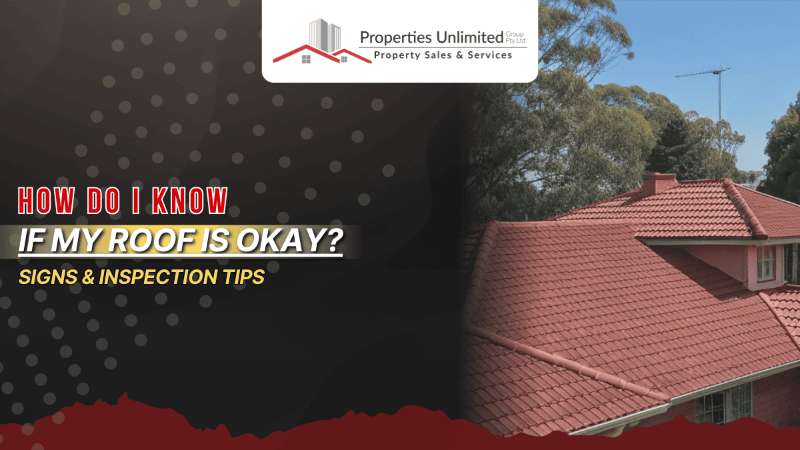
Your roof is one of the most important parts of your home. It protects you and your belongings from the elements, so keeping it in good condition is essential. However, unlike other parts of your home, it’s not always easy to spot problems with your roof until they’ve become major issues. Regular roof inspections are key to ensuring your roof stays in good condition and does its job. In this article, we’ll guide you through the signs to look for and steps to take to determine if your roof is in good shape.
Signs That Indicate Your Roof Might Need Attention
There are several signs that can indicate your roof may need maintenance or repairs. These include visible issues both inside and outside your home. Here’s what to look for:
1. Missing or Damaged Shingles or Tiles
One of the most obvious signs that your roof might need attention is missing or damaged shingles or tiles. If you notice that shingles are curling, cracking, or completely missing, your roof’s protective barrier is compromised. This can lead to leaks and further damage to the roof structure if not addressed quickly.
Read Also: What is the Most Common Roof Repair?
2. Leaks or Water Stains
If you see water stains on your ceiling or walls, or notice damp spots, this could indicate a leak in your roof. Leaks can be small initially but tend to get worse over time. It’s important to fix the leak as soon as possible to prevent water from seeping into the structure of your home, which can lead to mold growth and structural damage.
3. Sagging Roof
A sagging roof is a serious concern. If the roof appears to be dipping or sagging in some areas, this could be a sign of structural damage or water buildup. A sagging roof may be caused by weakened or rotting roof framing or decking and could lead to a collapse if not repaired.
4. Clogged Gutters
Your gutters are directly connected to your roof’s drainage system. If your gutters are clogged with leaves, debris, or moss, they may not be able to properly channel water away from the roof. This can cause water to pool on the roof, leading to leaks and other damage. Regularly cleaning your gutters can help prevent these issues.
5. Moss or Algae Growth
Moss or algae growing on your roof can indicate that the roof is retaining moisture. While not always a sign of significant damage, moss and algae growth can cause tiles and shingles to deteriorate over time. If left unchecked, moss can lift shingles and allow water to get underneath them, which could lead to leaks.
6. Blistering or Bubbling Paint
If you have a painted metal roof, bubbling or blistering paint can indicate that moisture is trapped underneath the surface. This can lead to rusting and deterioration, weakening the metal and allowing leaks to form.
7. Visible Rust or Corrosion
If you have a metal roof, check for signs of rust or corrosion. Rust weakens the metal and can cause holes or cracks to form, leading to leaks. Small spots of rust can be repaired, but large or widespread corrosion may require replacing parts of the roof.
Steps to Take to Check Your Roof’s Condition
Now that you know the signs of a potential issue, here are the steps you can take to assess your roof’s condition:
1. Perform a Visual Inspection
Start by doing a quick visual inspection of your roof from the ground. Look for any obvious signs of damage, such as missing shingles or cracked tiles. If your roof is sloped, use binoculars to get a better view of the surface. Make sure you inspect the gutters as well, as clogged gutters can lead to water damage.
2. Check the Attic
Inspect the attic for any visible signs of water damage. Look for damp spots, stains on the ceiling or walls, or beams that look rotted or warped. Make sure there is proper ventilation in the attic, as poor ventilation can cause moisture buildup and lead to issues like mold and mildew.
3. Check the Ceiling
If you notice brown or yellow stains on your ceiling, this could be a sign that water is leaking through your roof. Sometimes the damage may be subtle, so be sure to check for any soft or warped areas on the ceiling that could indicate water damage.
4. Hire a Professional Roof Inspector
Even if you don’t see any visible signs of damage, it’s a good idea to have a professional roof inspector check the roof every couple of years. Roof professionals can spot small issues that you might miss, and they have the experience to assess the overall condition of the roof. They can also provide you with advice on how to maintain the roof and extend its lifespan.
Read Also: What Is the Function of Gutters on a Roof?
Why Regular Roof Inspections Matter
Regular inspections are the best way to stay ahead of roof problems before they become costly repairs. Over time, small issues can escalate into significant damage that requires expensive repairs or even a full roof replacement. By identifying issues early, you can take action to repair or maintain your roof, saving you money in the long run.
What To Do If Your Roof Needs Repair
If you notice any of the signs mentioned above, it’s important to address the issue quickly. Depending on the severity of the damage, you may be able to repair the roof yourself, but for significant damage, it’s best to hire a professional. Properties Unlimited Group offers expert roof inspection and repair services to help you maintain your roof in optimal condition.
Conclusion
Your roof is an essential part of your home’s structure, and keeping it in good condition is vital for protecting your home from water damage and the elements. Regular inspections, both DIY and professional, can help you catch issues early and ensure that your roof continues to protect your home for many years to come.
If you’re concerned about your roof or need a professional assessment, contact Properties Unlimited Group today. Our team of experts is here to help with roof inspections, repairs, and maintenance to keep your home safe and dry.