1. A Powerful Antioxidant
Saffron contains an impressive variety of plant compounds that act as antioxidants — molecules that protect your cells against free radicals and oxidative stress. Notable saffron antioxidants include crocin, crocetin, safranal, and kaempferol.
Crocin and crocetin are carotenoid pigments and responsible for saffron’s red color. Both compounds may have antidepressant properties, protect brain cells against progressive damage, improve inflammation, reduce appetite, and aid weight loss. Safranal gives saffron its distinct taste and aroma. Research shows that it may help improve your mood, memory, and learning ability, as well as protect your brain cells against oxidative stress. Lastly, kaempferol is found in saffron flower petals. This compound has been linked to health benefits, such as reduced inflammation, anti-cancer properties, and antidepressant activity
2. May Improve Mood and Treat Depressive Symptoms
In a review of five studies, saffron supplements were significantly more effective than placebos at treating symptoms of mild-to-moderate depression. Other studies found that taking 30 mg of saffron daily was just as effective as Fluoxetine, Imipramine, and Citalopram — conventional treatments for depression. Additionally, fewer people experienced side effects from saffron compared to other treatments. What’s more, both the saffron petals and thread-like stigma appear to be effective against mild-to-moderate depression.
3. May Have Cancer-Fighting Properties
Saffron is high in antioxidants, which help neutralize harmful free radicals. Free radical damage has been linked to chronic diseases, such as cancer. In test-tube studies, saffron and its compounds have been shown to selectively kill colon cancer cells or suppress their growth, while leaving normal cells unharmed. This effect also applies to skin, bone marrow, prostate, lung, breast, cervix, and several other cancer cells. What’s more, test-tube studies have found that crocin — the main antioxidant in saffron — may make cancer cells more sensitive to chemotherapy drugs
4. May Reduce PMS Symptoms
Premenstrual syndrome (PMS) is a term that describes physical, emotional, and psychological symptoms occurring before the start of a menstrual period. Studies show that saffron may help treat PMS symptoms.In women 20–45 years of age, taking 30 mg of saffron daily was more effective than a placebo at treating PMS symptoms, such as irritability, headaches, cravings, and pain. Another study found that simply smelling saffron for 20 minutes helped reduce PMS symptoms like anxiety and lowered levels of the stress hormone cortisol.
5. May Reduce Appetite and Aid Weight Loss
Snacking is a common habit that may put you at risk of gaining unwanted weight. According to research, saffron may help prevent snacking by curbing your appetite. In one eight-week study, women taking saffron supplements felt significantly more full, snacked less frequently, and lost significantly more weight than women in the placebo group. In another eight-week study, taking a saffron extract supplement helped significantly reduce appetite, body mass index (BMI), waist circumference, and total fat mass
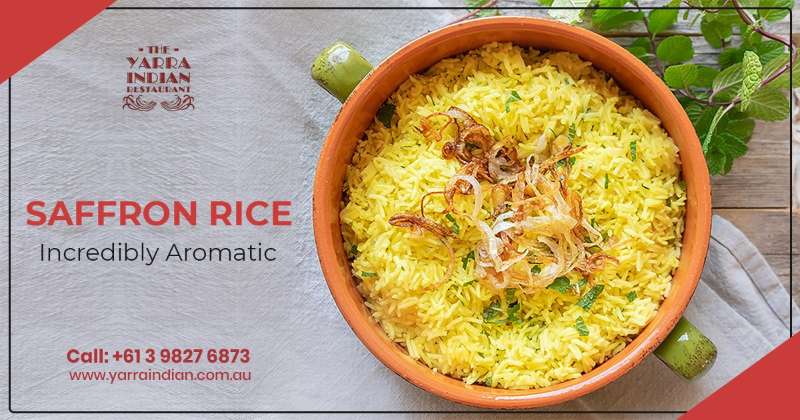
So those are the health benefits when you eat saffron rice! Not only is it yummy, but it's good for your health as well! So no more reasons for you to not have a a fine bowl of Indinian saffron rice!
Source : Healthline