Factory cleaning services are a critical part of maintaining a hygienic and productive industrial environment, not only ensuring the safety of employees but also safeguarding machinery, production lines, and the facility as a whole. A clean and safe factory is essential for both operational efficiency and compliance with health and safety standards. In this article, we’ll explore what factory cleaning involves, the regulatory standards you must comply with, and how professional cleaning services can help create a safer, more efficient workplace.
Differences Between Factory Cleaning and General Commercial Cleaning
While both factory cleaning and commercial cleaning aim to maintain cleanliness, they differ significantly in the type of tasks, safety protocols, and compliance regulations they must meet. the reasons why industries needs professional factory cleaning services is because these key differences include:
- Specialised cleaning techniques: Factory cleaning involves using industrial-grade cleaning machines and chemicals that are safe for the environment but strong enough to clean heavy machinery and production areas.
- Higher frequency of cleaning: Factories require more frequent and detailed cleaning cycles, particularly in high-risk or high-traffic zones.
- Compliance with strict regulations: Factories must meet regulatory standards that go far beyond those required for standard commercial spaces, especially in industries like food processing, pharmaceuticals, or manufacturing.
What Are Regulatory Standards for Factory Cleaning
Factory environments are subject to various regulatory standards, which mandate strict cleaning protocols to ensure the health and safety of workers. These regulations help mitigate risks such as contamination, equipment failure, and workplace accidents. Key standards include:
- Occupational Health and Safety Act 2004 (Victoria): This law applies to all workplaces in Victoria, including factories. It requires employers to ensure the health, safety and welfare of employees at work. Under this act, employers have a duty to identify hazards (including those arising from cleanliness, waste, chemical exposure, slip/trip hazards, maintenance) and implement control measures.
- AS/NZS 14644 Cleanroom / Controlled Environment Standard (adoption of ISO 14644 in Australia): Australia formally adopts ISO 14644 under AS/NZS 14644‑2002, which sets the framework for cleanroom design, operation, classification, monitoring and maintenance. This is critical for factories operating in industries requiring contamination control (e.g. pharmaceuticals, electronics, medical devices).
Compliance with these standards, especially for factory cleaning services for pharmaceutical industries is essential to avoid penalties and ensure a safe, functional environment. A professional factory cleaning service ensures that all necessary cleaning procedures are followed to meet industry standards and local regulations.
Safety and Health Practices in Factory Cleaning
Safety is a top priority in factory cleaning services. The risks of not maintaining a clean factory can range from employee injuries to machine malfunctions and contamination of products. Here’s how professional factory cleaning services ensure safety:
- Hazardous material handling: Cleaning crews are trained in the safe handling and disposal of hazardous waste such as chemicals, oils, and cleaning agents.
- Slip, trip, and fall prevention: By ensuring floors are regularly cleaned and free of debris, professional cleaners help prevent accidents.
- Personal protective equipment (PPE): Cleaners use appropriate PPE to protect themselves while cleaning hazardous or high-risk areas.
- Contamination control: Specialized cleaning techniques, such as the use of colour-coded cleaning tools, help prevent cross-contamination between production areas and high-risk zones.
By adhering to safety protocols, factory cleaning services minimize the risk of injuries and contamination, ensuring a secure working environment. this is also part of the challenges of factory cleaning.
What Does Factory Cleaning Involve?
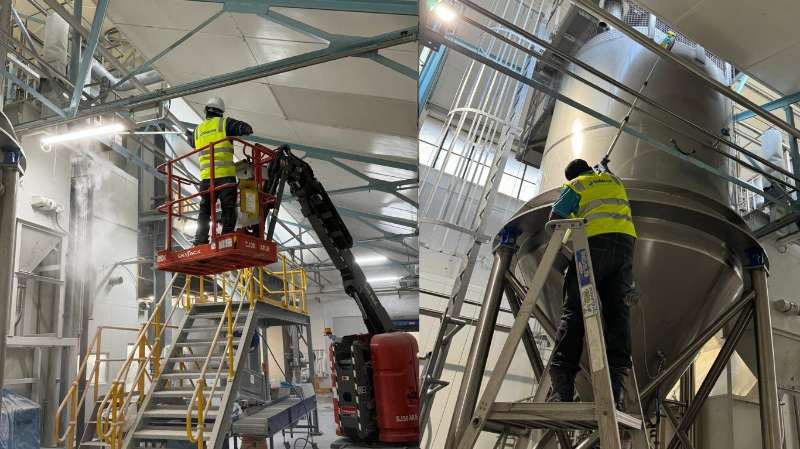
Factory cleaning is more complex than standard commercial cleaning. It includes a range of tasks aimed at maintaining hygiene, controlling contamination, and ensuring a safe environment for employees. Factory cleaning services typically involve:
- Daily cleaning tasks: Removing dust, dirt, and debris from floors, surfaces, and machinery.
- Deep cleaning: Disinfecting equipment, high-touch surfaces, production lines, and storage areas.
- Waste management: Proper disposal of industrial waste, including hazardous materials, chemicals, and packaging.
- Floor care: Scrubbing floors with industrial machines to prevent buildup of grease, oil, or other substances that can be dangerous.
- Ventilation and air quality control: Ensuring air filters and ducts are regularly cleaned to avoid dust and airborne contaminants.
- Equipment sanitisation: Cleaning machinery and tools that come into contact with raw materials or products to prevent contamination.
Factory cleaning services differ significantly from commercial office cleaning as they focus on specialized cleaning techniques and tailored solutions designed to handle industrial environments, machinery, and hazardous materials.
Deep Factory Cleaning Cycles for Long-Term Hygiene
Factory cleaning is not just about maintaining day-to-day cleanliness. Regular deep cleaning cycles are essential for long-term hygiene and operational efficiency. These cycles include:
- High-level dusting and sanitisation: This includes cleaning air vents, ducts, and machinery that are difficult to reach but can collect dust and debris over time.
- Equipment sanitisation: Deep cleaning machines, conveyors, and other equipment to prevent the buildup of grease, oils, or other contaminants that could affect the quality of production.
- Floor scrubbing and degreasing: Regular deep scrubbing ensures that floors are free from slippery substances like oils and grease, which can cause accidents and damage equipment.
- Cleaning high-risk zones: Regular sanitising of food-contact surfaces or sensitive equipment ensures there is no cross-contamination or health hazards.
there are many benefits of industrial cleaning services and a deep cleaning is essential to ensure that factories remain compliant with health and safety regulations, and it reduces the risk of breakdowns or safety incidents due to poor maintenance.
How Often Should a Factory Be Cleaned?
The cleaning frequency for a factory depends on several factors, including the type of manufacturing process, the size of the facility, the volume of production, and the specific industry regulations. However, general recommendations for cleaning frequency include:
- Daily cleaning: High-traffic areas, production lines, and machinery should be cleaned daily to maintain operational efficiency and worker safety.
- Weekly cleaning: Deeper cleaning of storage areas, workstations, and equipment that aren’t cleaned daily.
- Monthly or quarterly deep cleaning: Scheduled cleaning of ducts, high-touch surfaces, industrial equipment, and floors to ensure long-term hygiene.
Adapting the cleaning schedule to the specific needs of the factory ensures compliance and minimizes the risk of contamination or equipment failure.
Factory Cleaning Challenges in Melbourne Weather
Melbourne is one of Australia’s key industrial hubs, home to a wide range of manufacturing and production facilities. The city's strategic location along major logistics highways, such as the M80 Ring Road, Princes Freeway, and Hume Highway, ensures that goods move efficiently across the region, connecting Melbourne to the rest of Australia and beyond. Key industrial areas such as Dandenong South, Tullamarine, and Altona are home to numerous factories spanning diverse industries, including automotive, food processing, pharmaceuticals, and manufacturing.
However, Melbourne’s position in the southeastern coastal climate zone brings unique challenges for factory cleaning. The city’s weather is known for its rapid fluctuations—what Melbourne locals often refer to as experiencing "four seasons in one day." These weather changes, along with Melbourne’s high humidity, strong winds, and frequent rain, directly impact factory cleaning needs and maintenance schedules. Factories near busy highways or coastal areas, such as those in Port Melbourne or Laverton North, are particularly susceptible to airborne dust, industrial debris, and moisture accumulation that can impact both cleanliness and safety within these facilities.
Areas near highways and industrial zones often face additional challenges, such as:
- Dust and Pollution: Factories located near major highways or construction zones are prone to dust and air pollutants that settle on factory floors, machinery, and equipment. These contaminants can lead to more frequent cleaning cycles to maintain optimal working conditions.
- Moisture and Humidity: High humidity levels, especially during Melbourne’s wet winter months, increase the likelihood of mold, mildew, and rust in factories. Factories with high moisture levels need specialized cleaning techniques to prevent the growth of contaminants and protect equipment from corrosion.
- Wind and Outdoor Debris: Strong winds, especially during seasonal transitions, blow debris and dust into open factory spaces. This debris can settle on floors, machinery, and safety equipment, making it necessary for factory cleaning teams to ensure constant vigilance, especially in more exposed areas like loading docks and entryways.
Due to Melbourne's variable climate, factory cleaning services must be flexible and adapt their approach to maintain high hygiene standards. For example, during periods of increased humidity or after heavy rain, cleaning services may schedule additional deep-cleaning cycles to combat moisture buildup and prevent rusting or mildew. Dust control systems and air filtration units also play a critical role in mitigating pollution from nearby highways, ensuring that the factory environment remains safe and compliant.
What to Look for in a Factory Cleaning Service Provider
Choosing the right factory cleaning provider is crucial to maintaining a safe and compliant facility. Key factors to consider include:
- Experience and expertise: Ensure the provider has experience cleaning industrial facilities and understands industry-specific regulations.
- Regulatory compliance knowledge: The provider should be familiar with local, state, and national regulations and ensure cleaning services meet all compliance requirements.
- Quality assurance: Look for a provider that conducts regular inspections and follows up on the cleanliness of your facility to ensure standards are maintained.
- Tailored cleaning plans: The provider should offer flexible and customised cleaning schedules and services that fit the unique needs of your factory.
- Understanding melbourne’s unique environmental factors: A trusted provider will consider Melbourne’s variable weather conditions, which impact cleanliness in industrial settings. Factories located near highways or coastal areas, for example, may experience higher dust levels, while humid conditions can cause rust and mildew.
SM&MN: Your Trusted Factory Cleaning Service Provider in Melbourne
When it comes to factory cleaning in Melbourne, SM&MN Cleaning is your trusted provider. With years of experience serving Melbourne’s industrial sectors, we understand the unique challenges posed by the local climate and regulatory environment. Our team offers tailored cleaning plans designed to meet your specific needs while maintaining the highest standards of hygiene and compliance.
Contact us now and get your free quote today via our website smmnclean.com.au or call 1300 142 715 for free factory cleaning consultation
Conclusion
In conclusion, factory cleaning services are essential to maintaining a safe, compliant, and hygienic environment. Understanding what factory cleaning involves ensures your facility meets the required cleanliness standards, from daily maintenance to deep cleaning cycles. Adhering to regulatory standards for factory cleaning, such as the Occupational Health and Safety Act and AS/NZS 14644, helps mitigate risks and ensures compliance with industry laws. Safety and health practices in factory cleaning, including hazardous material handling and contamination control, are crucial for protecting workers and equipment. A professional factory cleaning provider will consider Melbourne’s unique weather conditions, such as dust, humidity, and moisture, which can affect cleanliness. Factory cleaning challenges in Melbourne weather require adaptable cleaning strategies to keep your facility operating smoothly. When selecting a provider, look for experience, regulatory compliance knowledge, and tailored cleaning plans. SM&MN Cleaning offers comprehensive services tailored to meet the unique needs of your factory, ensuring a safe and efficient working environment.