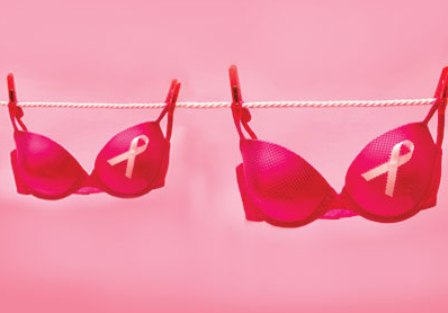
Conflicting evidence has caused confusion and concerns about the link between wearing a bra—particularly underwire bras—and an increase in breast cancer risk. While one study concluded there was a higher risk of breast cancer among women who wear bras for many hours a day, other research has argued against that conclusion.
Citing the Evidence About Breast Cancer Risk
A book published in 1995 reported a scientific study that linked wearing a bra to increased breast cancer risk due to improper circulation in the lymphatic system, causing toxins to build up in the breasts. While that study does show correlation—a relationship between the two—it does not prove causation. This may be because the first study did not take into account many other factors that increase the risk of breast cancer, such as older age or being obese.In fact, because obese women may be more likely to wear a bra than smaller-chested women, this could affect the first study’s conclusions. Another study that collected data on breast size noted exactly that—researchers found that premenopausal women who don’t wear a bra had half the risk of breast cancer as women who do wear bras and speculated that a woman’s weight and breast size may have been the reason for the difference in risk.
Because of the concerns and confusion about whether bras cause breast cancer, a recent study looked specifically at the many factors that go into the relationship between wearing a bra and breast cancer risk. The study included more than 1,500 women, and about two-thirds had breast cancer and about one-third did not. Researchers evaluated variables such as bra cup size, how often and how long the bra was worn, whether the bra had underwire, and the woman’s age was when she first began wearing a bra. The researchers concluded that none of these factors was associated with an increase in breast cancer risk.
Other Myths About Breast Cancer Risk Factors
In addition to the mistaken correlation between wearing a bra and breast cancer, there are other factors that some people believe—wrongly—are linked to breast cancer. Some of these myths include:
Proven Breast Cancer Risk Factors
Many scientific studies have found true risk factors for breast cancer. Some of these risk factors can’t be changed, but others are lifestyle choices you may be able to control.Risk factors you can’t change
Risk factors under your control
If you are concerned about your breast cancer risk, talk with your doctor about your risk factors at your next physical. If you suspect you may have breast cancer, such as finding a lump in your breast, talk with your doctor as soon as possible to get an accurate diagnosis—or to put your concerns to rest.
source: healthgrades.com