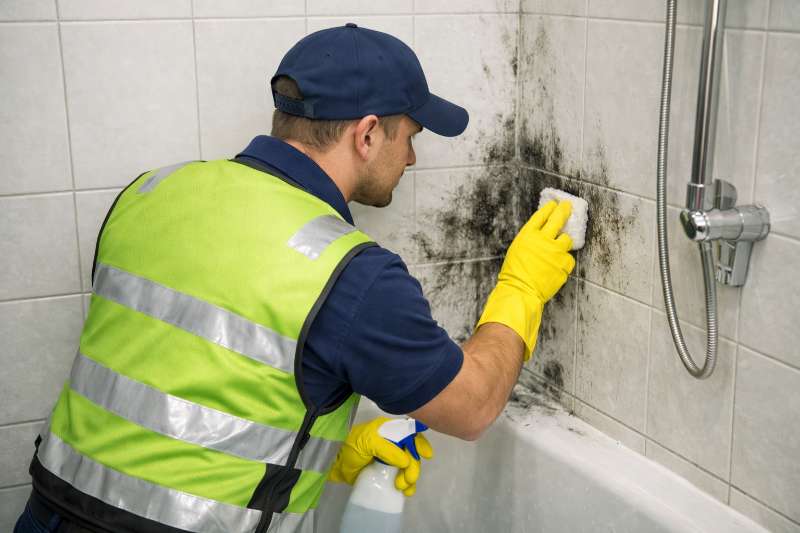
Effective mould removal methods for bathrooms are crucial for health and hygiene. Mould in bathrooms can be a serious issue, not only affecting the appearance of your space but also potentially causing health problems. Removing mould quickly and effectively is essential to keep your bathroom clean and safe. In this article, we’ll explore practical mould removal methods for various types of bathrooms, from residential homes to commercial spaces like offices, factories, clinics, and strata properties.
Why Mould Needs to Be Removed from Bathrooms
Mould in bathrooms can cause health problems, especially for individuals with respiratory issues, allergies, or asthma. It produces spores that can trigger breathing difficulties, skin irritation, and even infections. Additionally, mould can damage bathroom surfaces like walls, ceilings, and tiles, leading to costly repairs. It also creates an unpleasant smell and reduces the overall aesthetic of your bathroom, making it crucial to address mould as soon as it is spotted.
What Are the Types of Mould in Bathrooms?
Bathrooms are prime breeding grounds for several types of mould. The most common include:
- Aspergillus: Often found in areas with high humidity, Aspergillus can grow on grout lines and bathroom walls.
- Cladosporium: Known for growing on wet surfaces, this mould appears as dark patches, often in corners and under sinks.
- Stachybotrys (Black Mould): A particularly toxic type of mould that thrives in damp conditions. It’s essential to remove it quickly as it poses serious health risks.
- Penicillium: Often seen on wallpaper or porous materials, Penicillium is commonly found in bathrooms with water damage.
Knowing these mould types helps determine the proper removal method, as each requires different cleaning products and treatments.
What Are the Key Components for Removing Mould in Bathrooms?
Effective mould removal requires the right combination of tools and techniques. Here are the key components:
- Cleaning Solution: Use strong, mould-killing cleaners like white vinegar, baking soda, or specialized commercial mould removers.
- Scrubbing Tools: A brush with stiff bristles helps scrub away mould from tiles, grout, and other surfaces.
- Protective Gear: Wear gloves, goggles, and a mask to avoid contact with mould spores during the cleaning process.
- Ventilation: Ensure the bathroom is well-ventilated during and after cleaning to prevent further mould growth.
- Sealing Products: Once mould is removed, using a mould-resistant sealant on surfaces can help prevent regrowth.
Mould Removal Methods for Bathrooms in Residential Settings
In residential bathrooms, mould often grows in damp areas like walls, ceilings, and tiles. To remove it, start by cleaning surfaces with white vinegar or a baking soda solution, which are both effective and non-toxic. For larger infestations, consider using a mould removal spray designed specifically for bathroom use. Always ensure proper ventilation by using an exhaust fan or keeping windows open to prevent mould from coming back. You should also wipe down any areas that remain wet, such as shower walls or floors, to reduce moisture and discourage future mould growth.
Mould Removal for Office Bathrooms
In office bathrooms, mould can spread quickly due to high traffic and frequent use. To prevent this, it’s important to regularly clean surfaces with a mould-killing cleaner. Focus on areas prone to moisture, such as around sinks, toilets, and behind mirrors. Steam cleaning can also help eliminate mould from difficult-to-reach areas like grout lines. For larger office spaces, hiring a professional cleaning service might be necessary to ensure the office bathroom remains free from mould and any associated health risks, especially if the problem persists despite regular cleaning.
Mould Removal Methods for Bathrooms in Factory Settings
Factory bathrooms can be challenging when it comes to mould removal because of the heavy use and potential exposure to chemicals or oils. The first step is to sanitize surfaces using strong disinfectants and a scrubbing brush to remove any visible mould. In areas with high humidity, such as wet rooms or changing areas, dehumidifiers can help maintain air quality and reduce moisture levels. Power washers might be required for larger areas to ensure that no mould is left behind. It’s also important to schedule regular cleaning and maintenance to prevent mould from growing in the first place.
Mould Removal for Clinics and Healthcare Bathrooms
In clinics and healthcare facilities, mould removal is particularly important due to the potential health risks it poses to patients and staff. First, ensure that all surfaces are disinfected with hospital-grade cleaners to remove both the mould and any bacteria it might be harbouring. Use non-toxic solutions where possible to ensure safety. In high-traffic healthcare bathrooms, it’s also recommended to use UV light sanitization to kill mould spores in hard-to-reach areas. Lastly, controlling humidity levels is critical, so use dehumidifiers or air conditioning units to keep moisture levels under control and prevent future growth.
Mould Removal for Strata Properties
For strata properties, which may have shared bathrooms, mould can be a common issue due to improper ventilation and shared water systems. Regular inspections should be conducted to identify and treat any early signs of mould. Mould-resistant paints and sealing can be applied to walls and ceilings to prevent water absorption. It’s also essential to ensure that the bathrooms in shared areas are well-ventilated, with exhaust fans or ventilation systems running during peak usage times. If the problem is widespread, strata managers should consider professional cleaning and remediation services to tackle the issue efficiently.
Mould Removal Methods for Bathrooms in Restaurant Settings
Mould in restaurant bathrooms can have a significant impact on the customer experience and present health hazards to both staff and patrons. Due to the high foot traffic, humidity from cleaning, and moisture from plumbing, restaurant bathrooms are particularly vulnerable to mould growth. If left untreated, mould can spread quickly, affecting surfaces and air quality.
Effective mould removal for restaurant bathrooms involves thoroughly cleaning high-risk areas such as tiles, grout, walls, and ceilings. These areas are often exposed to water and moisture, making them ideal breeding grounds for mould. Regular cleaning with mould-killing solutions and disinfectants is essential for eliminating existing mould and preventing future growth.
Additionally, ensuring proper ventilation and moisture control in the bathroom is crucial. Installing exhaust fans, dehumidifiers, or improving airflow can help reduce humidity levels, a key factor in mould prevention. Routine inspections and maintenance are essential to keep restaurant bathrooms clean, hygienic, and safe for customers and staff.
Key Mould Prevention Tips for All Bathroom Types
- Always keep surfaces dry, especially around showers, sinks, and windows.
- Use mould-resistant products like paints, sealants, and bathroom caulk.
- Install or use exhaust fans and ensure good airflow.
- Consider installing a dehumidifier in areas prone to high moisture levels.
By addressing mould quickly with the right removal methods, you can maintain a clean, safe bathroom in any setting. Whether you're dealing with a residential bathroom, office space, factory facility, clinic, or strata property, proper cleaning, and regular maintenance can help prevent mould growth and keep the area hygienic for everyone.
The Role of Professional Cleaning Services in Removing Mould in Bathrooms
When it comes to removing mould from bathrooms, professional cleaning services like SM&MN Cleaning offer the expertise, tools, and techniques required to tackle the issue effectively. While DIY mould removal can be effective for small areas, professionals bring several advantages, especially for larger infestations or more complex cases.
SM&MN's team uses advanced cleaning equipment and safe, non-toxic cleaning products that are both effective at removing mould and safe for your bathroom surfaces. We are experienced in handling different types of mould, from the common types like Aspergillus to more dangerous mould like black mould (Stachybotrys). Our cleaners follow strict protocols to ensure that mould is not only removed but also prevented from returning.
With our professional commercial cleaning service in Melbourne for offices, stratas, and clinics, you can ensure thorough mould removal, including hard-to-reach areas, such as behind tiles or in corners where moisture can accumulate. We also help control the underlying humidity levels, a key factor in preventing future mould growth. SM&MN Cleaning provides regular maintenance and inspections to keep your bathroom free from mould, ensuring a safe and hygienic environment for everyone.
Conclusion:
Effective Mould Removal Methods for Bathrooms are essential for maintaining a safe, hygienic, and healthy environment. Mould can cause serious health issues and damage bathroom surfaces, which makes timely removal crucial. Understanding why mould needs to be removed from bathrooms ensures that homeowners and businesses can avoid long-term damage. Identifying types of mould in bathrooms helps in selecting the appropriate cleaning methods, as different mould types require different treatments. Using the right components for removing mould in bathrooms, such as effective cleaning solutions and protective gear, ensures the job is done safely and thoroughly. Whether you're dealing with mould removal for residential bathrooms, office bathrooms, factory bathrooms, clinics, or strata properties, each space requires a specific approach to ensure success. For restaurant bathrooms, high-traffic areas and moisture control are key to preventing future mould growth. Implementing key mould prevention tips will help maintain cleanliness and reduce the risk of mould regrowth. Professional cleaning services play an important role in removing mould and keeping bathrooms hygienic in all environments.
Frequently Asked Question (FAQ)
- Why is mould dangerous in bathrooms?
Mould can cause respiratory issues, allergies, and skin irritation, especially in high-humidity areas like bathrooms. It also damages surfaces and can produce a musty smell. - How do I know what type of mould is in my bathroom?
Common bathroom mould types include Aspergillus, Cladosporium, Stachybotrys (black mould), and Penicillium, each requiring different cleaning products. - What is the best way to remove mould from bathroom tiles?
Use a mould-killing cleaner like white vinegar, baking soda solution, or a commercial product specifically designed for bathroom use. Scrub with a stiff-bristled brush. - Can I remove mould from bathroom grout myself?
Yes, you can remove mould from grout by using a mould removal spray or a vinegar and baking soda solution. Be sure to scrub well and dry the area to prevent regrowth. - How often should I clean bathroom surfaces to prevent mould?
Regular cleaning and drying of bathroom surfaces—especially after showers—can prevent mould. Use an exhaust fan to reduce humidity, and consider weekly deep cleaning for high-risk areas. - Can I use bleach to remove mould in the bathroom?
Yes, bleach is effective for removing mould, but it should be used carefully with proper ventilation. For safer alternatives, try non-toxic products like vinegar or hydrogen peroxide. - What are the health risks of mould in bathrooms?
Mould can cause respiratory issues, allergies, headaches, and irritation to the eyes and skin. Long-term exposure can lead to more severe health complications. - How do I prevent mould from returning in my bathroom?
Improve ventilation by using an exhaust fan or dehumidifier. Use mould-resistant sealants on tiles and grout and regularly inspect high-risk areas like under sinks and around windows. - Can professional cleaning services help with mould removal?
Yes, professional cleaning services use specialized tools, cleaning agents, and techniques to effectively remove mould, including hard-to-reach areas that are difficult for homeowners to clean. - How long does it take to remove mould from a bathroom?
The time required depends on the severity of the mould infestation. Minor mould may take only a few hours to clean, while larger infestations or recurring mould problems may require professional assistance and more time.