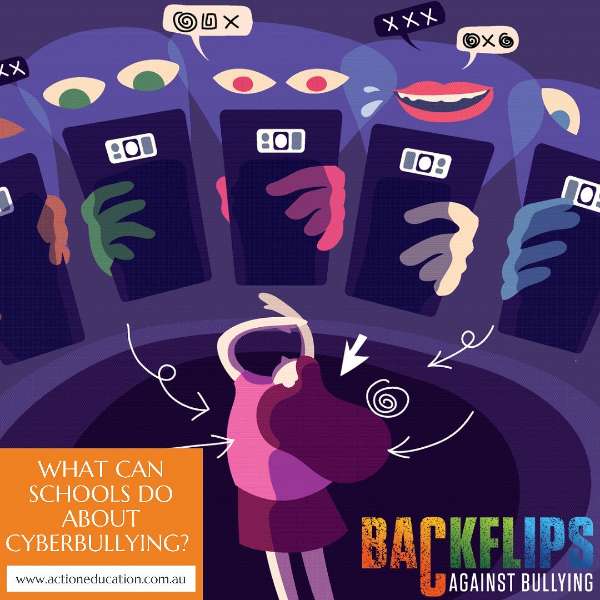
It can happen at school, at work, at home, online, or through text messaging or email. Bullying may take many forms, all of which cause the individual who is being harassed to feel grief and pain. Bullying may affect people of all ages. Only a small percentage of youngsters report being bullied. They may feel weak, humiliated, or afraid, which may exacerbate the problem.
Bullying may take various forms, and it can affect both children and adults. Some forms of bullying are visible, while others are more subtle. These are such as physical bullying, verbal bullying, social bullying, and cyberbullying.

What Is Cyberbullying
Cyberbullying is bullying that is done through the use of technology. It occurs when someone is intentionally and frequently wounded or shamed through the use of electronic devices like as the internet or a cell phone. It is quite frequent, particularly among children and teens. So when someone uses instant messaging or chat, text messages, email, social networking sites, or forums to hurt or embarrass someone else or to make them afraid, you can call that cyberbullying.Teasing, name-calling, threats, unpleasant comments, put-downs, and rumors are all examples of cyberbullying. In fact, everything that is meant to shame, offend, terrify, or alienate the person being bullied can be used. Cyberbullies frequently employ images and videos in addition to words.
Cyberbullying differs from traditional bullying in that it may be done anonymously. They could work anonymously to keep their identities disguised.
The Form of Cyberbullying
Cyberbullying can come in a variety of forms. If any of the following applies to you, you are being cyberbullied:
- You get threatening or abusive messages, tweets, emails, or Facebook postings (either from someone you know or a stranger)
- Someone is sending you nasty texts on a regular basis.
- Photos or videos of you are circulated in an attempt to humiliate or harm you.
- People are trying to stop you from communicating with others
- You've been excluded from online games and social forums.
- You're being followed or trolled on the internet.
- Someone gains access to your email, Facebook, Instagram, or another social media account and alters your data
- Someone creates and uses false accounts in your name.
This is not a complete list. Sometimes the line between what is okay online and what is not is hard to see.
The Effects of Cyberbullying
For various reasons, cyberbullying may be more harmful and hazardous than traditional bullying:1. Bullies that abuse others online frequently do it anonymously. They may create fictitious profiles or names. As a result, the bully might be more daring in their posting. Bullying on the internet may cut deep and make the person who is being bullied feel insecure and afraid.
2. Cyberbullying may be exhausting. Many kids are constantly online, checking messages and receiving notifications delivered right to their cellphones. Though you are being cyberbullied, you may feel as if you are being bullied at all times of the day and night. At school or at home, you may never feel safe or protected from your bully.
3. A single internet post, photograph, or video can immediately reach a large number of people.
Cyberbullying, according to research, is a common occurrence. One in in five Australian youngsters aged eight to fifteen has been subjected to cyberbullying.
Cyberbully victims may experience the following emotions:
- Frightened, unsafe, or confused
- Guilty or ashamed
- Anxious, stressed, or angry
- Sad, depressed, or embarrassed
- Hopeless, as though there is nothing they can do about the situation
- Alone, like there is no one to help
- Different from everyone else and excluded
- Rejected by friends or other people
Children might seem moodier than usual, avoid school and be nervous around technological devices. They could stop participating in social activities.
What You Can Do
The best thing you can do if you're being bullied online is to talk to someone you can trust. Tell your mother, father, or caretaker, a teacher, or a friend if someone says something online or shares a photo or video that disturbs you. The sooner you tell someone, the sooner you can modify things and feel secure again.There are a few additional options as well.
- Passwords, names and addresses, and phone numbers should not be shared with persons you don't know. Photos of yourself, your friends, and your family can also be shared in this way.
- The person who is engaging in bullying behavior should be blocked. Remove them from your friend list. Block their phone number from receiving calls and messages. Make adjustments to your privacy settings.
- Learn how to report bullying and harassment on the various social media platforms that you use.
- Keep track of any calls, texts, postings, or emails that might be damaging to you. Take screenshots of emails or online interactions, or print a paper copy. Keep a backup of your text messages on your phone.
- Set up your privacy settings on social networking sites like Facebook in a way that makes you feel at ease.
What Can Schools Do?
Schools and teachers play a vital role in promoting the social and emotional development and wellbeing of Australian children and young people. This includes protecting students from cyberbullying and giving them the skills to deal with bullying experiences.- Build cyberbullying and online safety into the curriculum. You can do this by contracting Backflips Against Bullying shows & classroom resources for your school today! Backflips Against Bullying is a Trusted eSafety Provider.
- Include cyberbullying strategies in school online safety policies. Support any student experiencing cyberbullying to report the bullying material to the relevant social media service. If the service fails to remove it, help them report it to eSafety.
- Ensure every student, particularly those at risk, has a staff member with who they feel connected to and activities that they can feel a part of. It is very important that they feel valued as a member of the school community.
- Encourage all students to be ‘upstanders’ by safely speaking up and telling teachers and other adults if they see or hear of cyberbullying.
- Refer any student with social, academic, or mental health difficulties to student support services.
Get Help
Visit the Australian Government’s eSafety website.https://esafety.gov.au/
If you have been bullied or seen someone else being bullied and need assistance, call Kids Help Line (1800 55 1800), a free and confidential telephone counseling service for Australian children aged 5 to 25.
http://www.kidshelp.com.au
The Australian Human Rights Commission (1300 656 419) provides a complaint processing service that may look into discrimination, harassment, and bullying allegations.
https://humanrights.gov.au/complaints#main-content
Lifeline (13 11 14) is a free and private telephone counseling service operated by qualified counselors.
http://www.lifeline.org.au